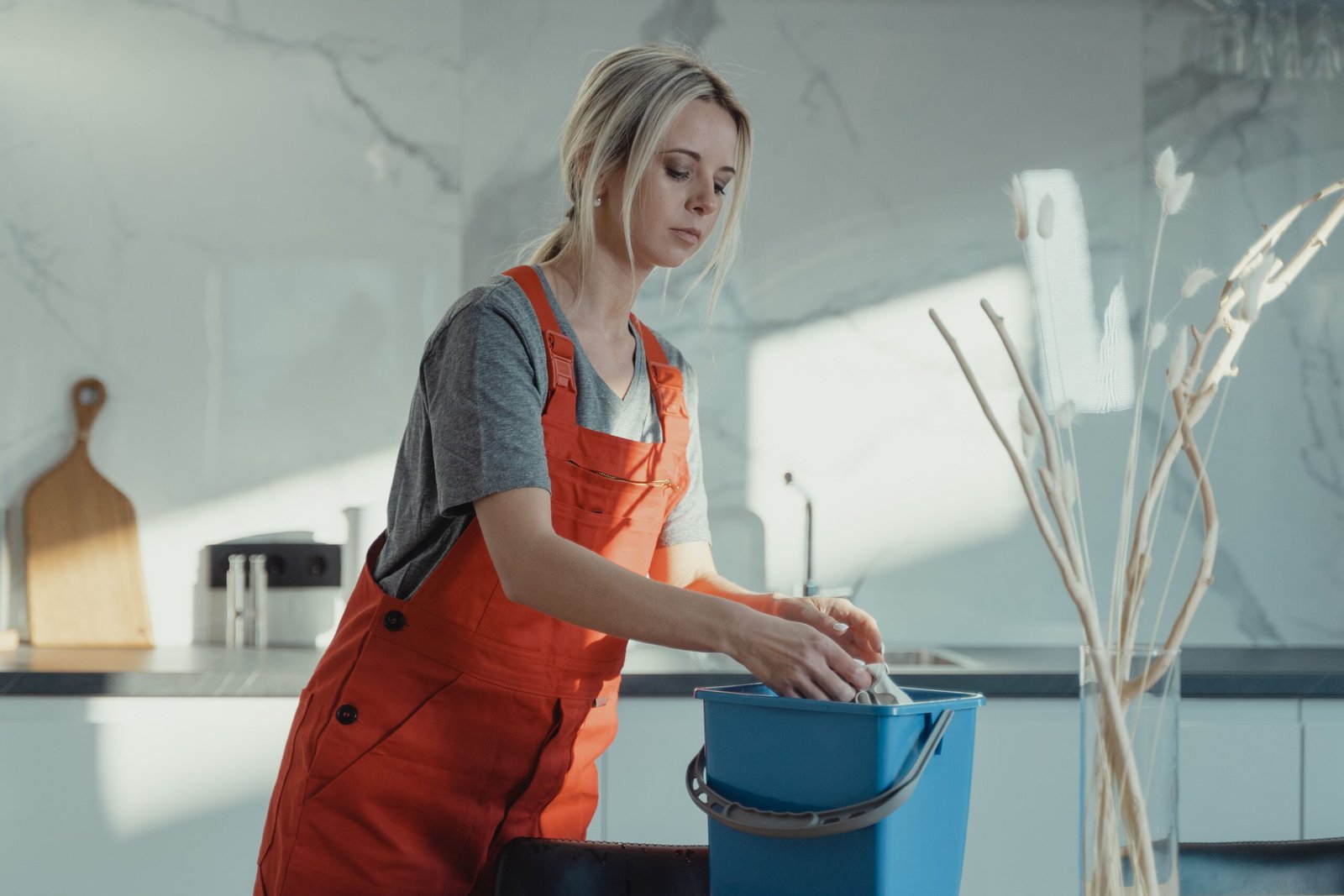
Ask a professional cleaner what ruins hardwood floors fastest and the answer is rarely dirt or everyday foot traffic. It is the well-meaning cleaning products and tools people reach for that scratch the finish, dull the shine, or trap moisture in the seams between boards. Professional cleaners see the damage these habits cause in almost every home they visit, and the fixes are usually simple once you know what to avoid.
If you want your hardwood floors to actually last for decades rather than needing an early refinish, start by cutting out these eight things that quietly wear down the finish.
1. Vinegar and Water Solutions
Vinegar is a popular natural cleaner, but its acidity slowly breaks down polyurethane finish, leaving hardwood floors looking dull and stripped over time. Professional cleaners stick to pH-neutral cleaners made specifically for sealed wood floors instead, applied with a nearly dry microfiber mop.
2. Steam Mops
Steam mops push heat and moisture directly into the seams between boards, which can cause warping, cupping, and finish damage that often does not show up until weeks later, long after the mop has been put away. A microfiber mop lightly dampened with the right cleaner does the job without the risk, and it dries in minutes instead of soaking into the seams.
3. Ammonia-Based Cleaners
Ammonia can discolor and dull a wood finish, and mixing it with certain other cleaners releases harsh fumes. Professional cleaners avoid ammonia-based sprays on hardwood floors entirely and reach for wood-safe formulas labeled specifically for polyurethane finishes.
4. Soaking Wet Mops
Excess water is one of the fastest ways to damage hardwood floors, since standing moisture seeps into seams and swells the wood. Cleaners wring mops until they are barely damp, never dripping, before touching a hardwood surface, and they dry any splashes immediately.
5. Wax or Silicone Furniture Polish
Spray polishes built for furniture often contain wax or silicone that leave a slippery, cloudy film on floor finishes and make future refinishing much harder. Professional cleaners use polish made for floors only, and sparingly at that, since even floor-safe products can build up if overused.
6. Abrasive Scrub Brushes or Scouring Pads
A stiff scrub brush or scouring pad might lift a stain faster, but it also scratches the finish and creates tiny grooves that trap future dirt. Cleaners use soft microfiber pads and let the cleaning solution do the work instead of force, giving stubborn spots a few extra minutes to loosen.
7. Oil-Based Soaps
Traditional oil soaps can build up in a dull, sticky layer on modern polyurethane-finished floors, since they were designed for older wax-finished wood. Professional cleaners check the finish type first and skip oil soap on anything sealed with polyurethane, since the two rarely mix well.
8. Vacuums With a Rotating Beater Bar
A vacuum’s spinning beater bar is built for carpet fibers, and running it directly on hardwood floors can scuff and scratch the surface, leaving fine lines that catch the light at certain angles. Cleaners switch to a hard-floor setting or a soft-bristle attachment before vacuuming wood, which lifts dust without touching the finish.
Keeping Hardwood Floors Looking Professionally Cleaned
Most hardwood floor damage comes from tools and products meant for a different surface, not from the wood itself aging badly, and swapping them out costs nothing beyond a trip to the cleaning aisle. Skipping vinegar, steam mops, and abrasive pads, and keeping mops nearly dry, is exactly how professional cleaners keep hardwood floors looking freshly finished year after year.
For more room-specific cleaning routines, see our maintenance and cleaning and how-to guides, or check the National Wood Flooring Association for care recommendations by finish type.