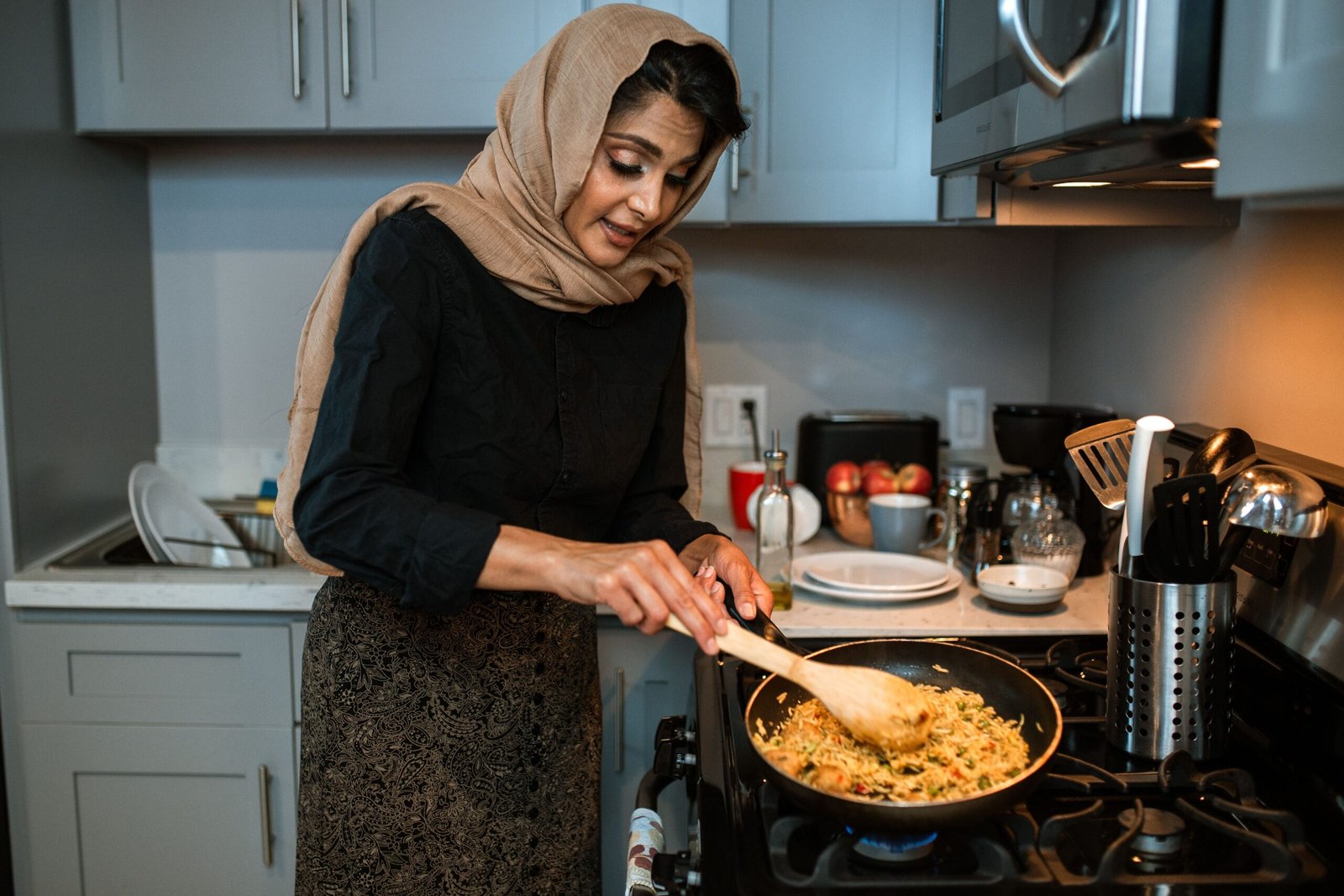
Ask a professional chef what separates a good home cook from a great one, and the answer usually is not a fancy ingredient or an expensive pan. It is a handful of small kitchen mistakes that quietly hold a dish back, repeated so often in home kitchens that chefs can spot them within the first few minutes of watching someone cook.
If you want your food to taste like it came from a professional kitchen, start by fixing these eight kitchen mistakes.
1. Overcrowding the Pan
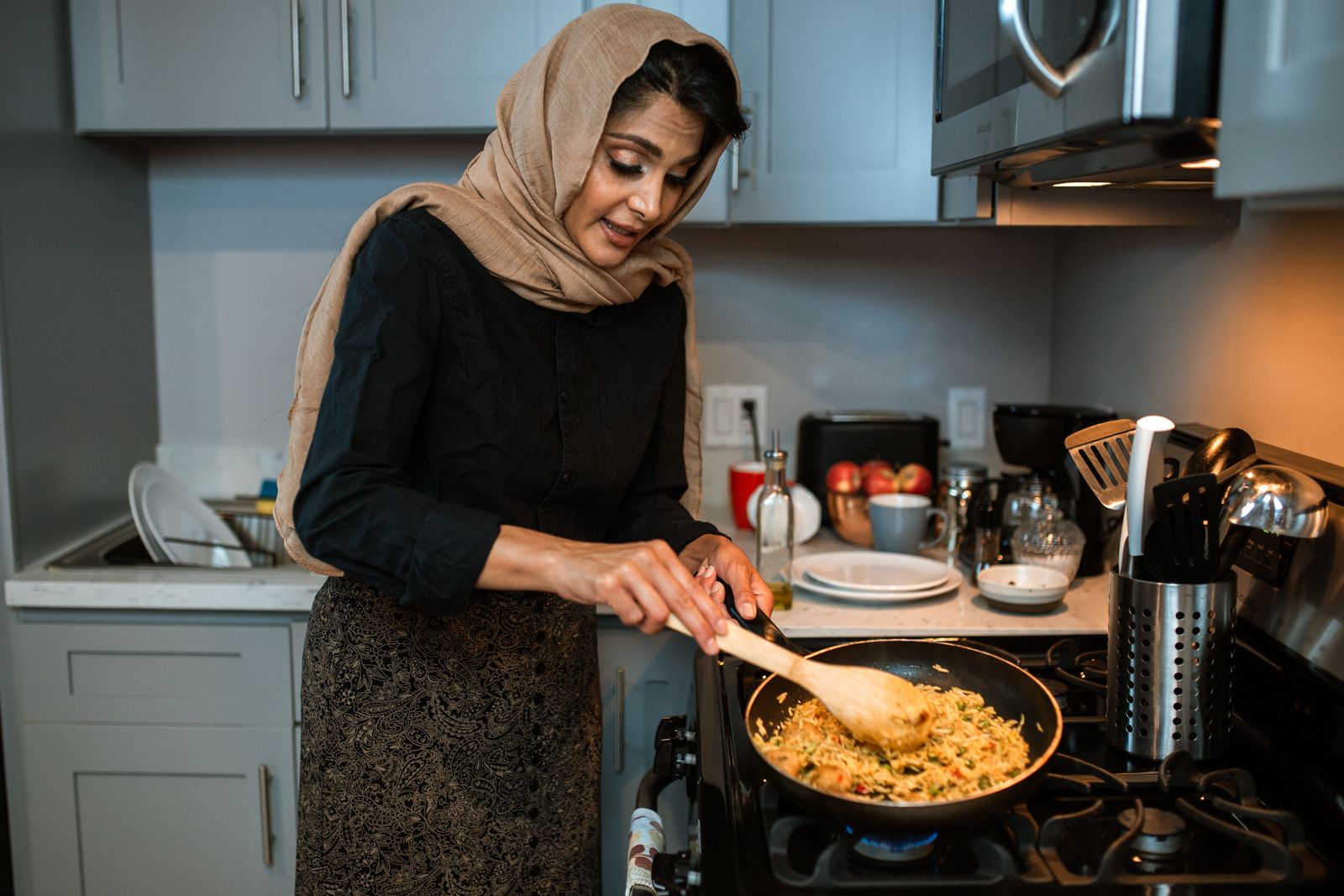
Piling too much food into a pan at once traps steam instead of letting it escape, which means vegetables steam instead of sear and meat turns gray instead of browning. Professional chefs cook in smaller batches and give every piece room to actually touch the hot surface, even when it means an extra few minutes at the stove.
2. Skipping the Resting Time for Meat
Cutting into meat the moment it comes off the heat lets all the juice run out onto the cutting board instead of staying in the meat. Chefs let a steak or roast rest for several minutes before slicing, which gives the juices time to redistribute and keeps every bite noticeably more tender.
3. Cooking With a Dull Knife
A dull blade slips and crushes food instead of cutting cleanly through it, which bruises herbs, tears delicate fish, and turns simple prep into a safety risk. Professional chefs sharpen their knives regularly, because a sharp blade is actually safer and faster than a dull one that needs extra force.
4. Not Tasting the Dish While Cooking
Following a recipe exactly without tasting along the way means small seasoning problems only show up at the table, when it is too late to fix them easily. Chefs taste constantly throughout cooking and adjust salt, acid, and seasoning in small steps as the dish comes together.
5. Adding Cold Meat Straight From the Fridge
Meat that goes straight from a cold refrigerator into a hot pan cooks unevenly, browning on the outside while staying undercooked closer to the center. Professional chefs let meat sit out for a short while before cooking so it cooks more evenly from edge to center.
6. Flipping or Stirring Food Too Often
Constantly poking, flipping, or stirring food keeps it from ever forming a real crust, since a proper sear needs uninterrupted contact with a hot surface. Chefs place food in the pan and leave it alone until it releases naturally, which is usually the surest sign it is ready to turn.
7. Not Preheating the Pan Before Adding Oil
Adding oil to a cold pan and heating them together often means the oil overheats and starts smoking before the food ever goes in. Professional chefs heat the pan first, then add oil right before the food, so everything cooks at a consistent, controlled temperature from the very first second.
8. Using the Same Cutting Board for Everything
Cutting raw meat and fresh vegetables on the same board without cleaning it in between risks cross-contamination and can carry raw meat flavor into food that is never cooked again. Chefs keep separate boards for meat and produce, a simple habit that protects both food safety and flavor.
Fixing These Kitchen Mistakes for Good
None of these kitchen mistakes require culinary school to correct, just a little more attention to timing, temperature, and tools. Slowing down between steps, sharpening a knife, and giving food room in the pan are changes any home cook can make tonight, and they are exactly the habits that separate confident cooking from professional kitchen mistakes.
For more everyday cooking guidance, browse our kitchen and how-to guides, or see the James Beard Foundation for professional culinary resources.