A room that tries to do too many jobs at once — dining room, home office, and craft space all in one — usually ends up doing none of them well. Learning to define room function first is the step decorating advice skips most often.
These six mistakes show up whenever nobody takes the time to define room function before furniture gets decided instead.
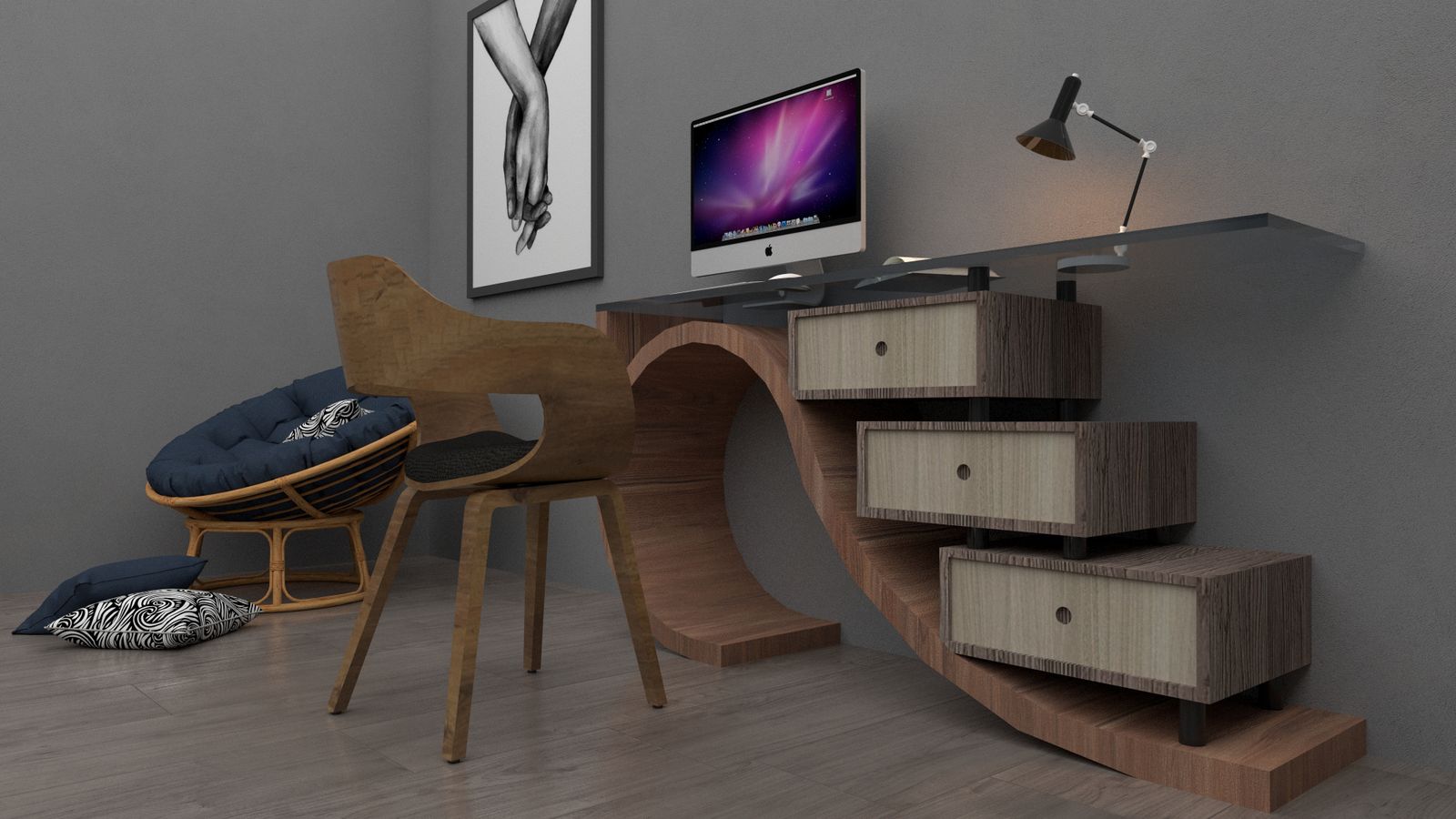
1. Buying Furniture Before Deciding the Purpose
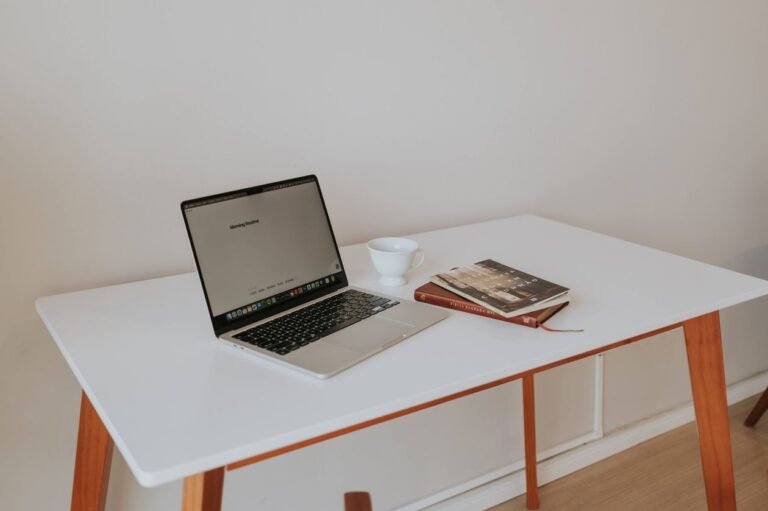
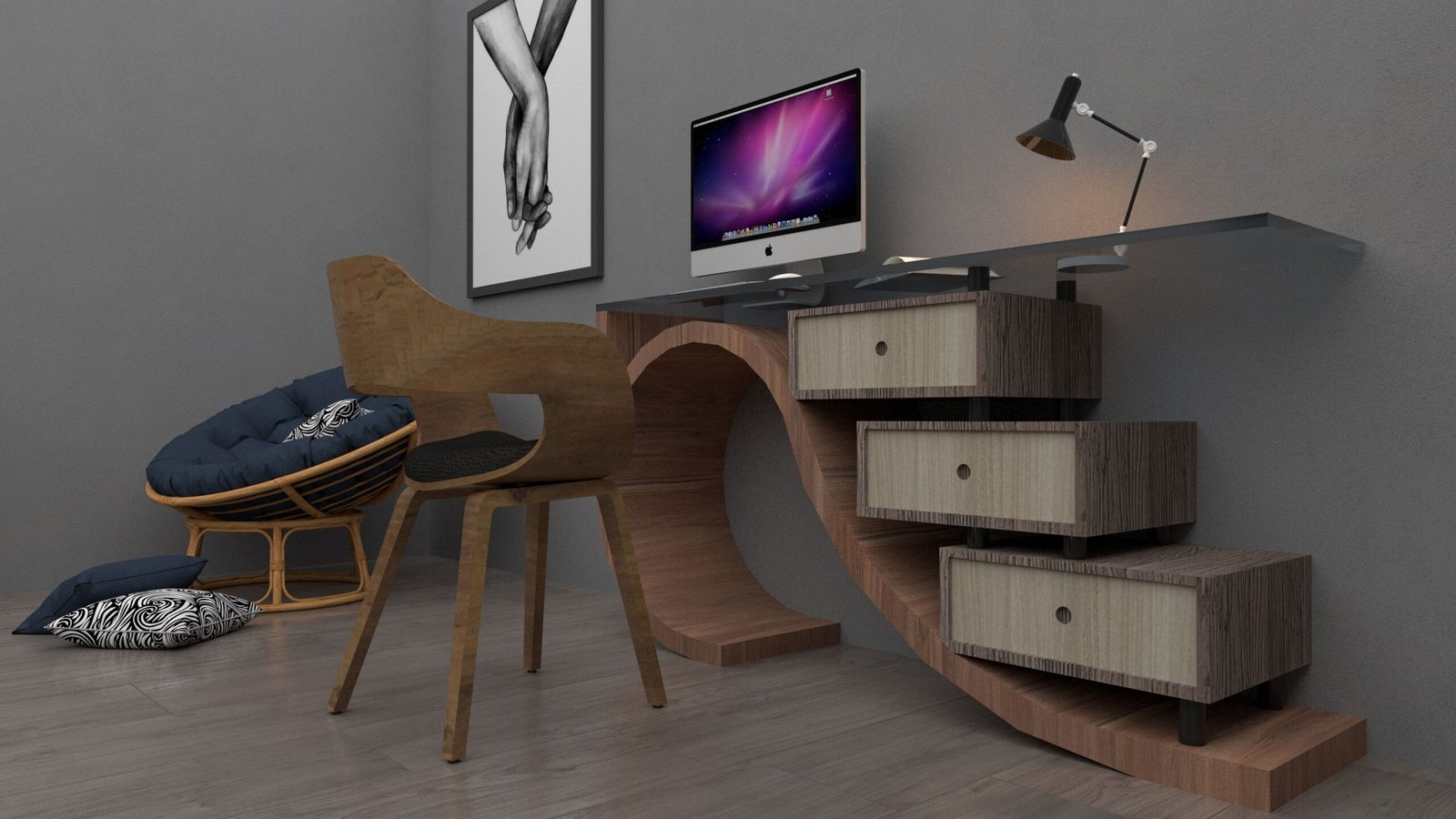
A beautiful desk bought on sale doesn’t help if the room was actually meant to be a reading nook. Furniture should follow function, not the other way around, and that order rarely reverses well once money has already been spent.
2. Trying to Serve Three Purposes at Once
A room built to be an office, a guest room, and a gym simultaneously usually fails at all three. Picking one primary function and treating the others as secondary keeps the space usable rather than cluttered with equipment for jobs it never quite finishes doing.
3. Ignoring How the Room Is Actually Used
A formal dining room that’s only used twice a year, while dinner actually happens in the kitchen, is a sign the room’s assigned function doesn’t match real life. Redefining it around actual habits solves more problems than new furniture would, and it usually costs nothing beyond honesty about how the space is really used day to day.
4. Forgetting About Storage for the Function
A craft room without storage for supplies, or a home office without a filing spot, forces the mess into other rooms. Storage needs to be planned alongside the room’s core purpose, not added afterward once the clutter has already spread everywhere else in the house.
5. Placing the Room in the Wrong Spot
A home office in the noisiest, most trafficked part of the house works against its own function. Matching a room’s location to what it needs — quiet, light, privacy — matters as much as what’s inside it, and no amount of good furniture fixes a room in the wrong spot.
6. Never Revisiting the Decision
A room’s function set five years ago may no longer match how a household actually lives now. Reassessing room function every year or two catches spaces that have quietly become storage rooms in disguise, long before they officially get relabeled that way by everyone in the household.
Why It Helps to Define Room Function Early
Every mistake above traces back to the same root cause: skipping the step where you define room function before making any other decision. Furniture, storage, and even paint color all become far easier choices once the room’s actual job is settled first.
Homes that feel effortless to live in are rarely the ones with the most expensive furniture. They are almost always the ones where someone took the time to define room function clearly for every space, so nothing is quietly trying to be three things at once.
A Quick Way to Define Room Function
Before buying anything, write down the single main activity each room needs to support, plus one backup activity if any. If a room needs more than two clear activities to describe, it likely needs to be simplified rather than furnished further.
The Bottom Line
Deciding what a room is actually for, before buying anything, prevents most of the confusion that makes a space feel unfinished. Function first, furniture second solves problems no amount of styling can fix afterward, and it costs nothing more than a few minutes of honest thinking before the next purchase.
For more room-planning ideas, browse our interior design and how-to guides, or see the National Association of Home Builders for space-planning resources.