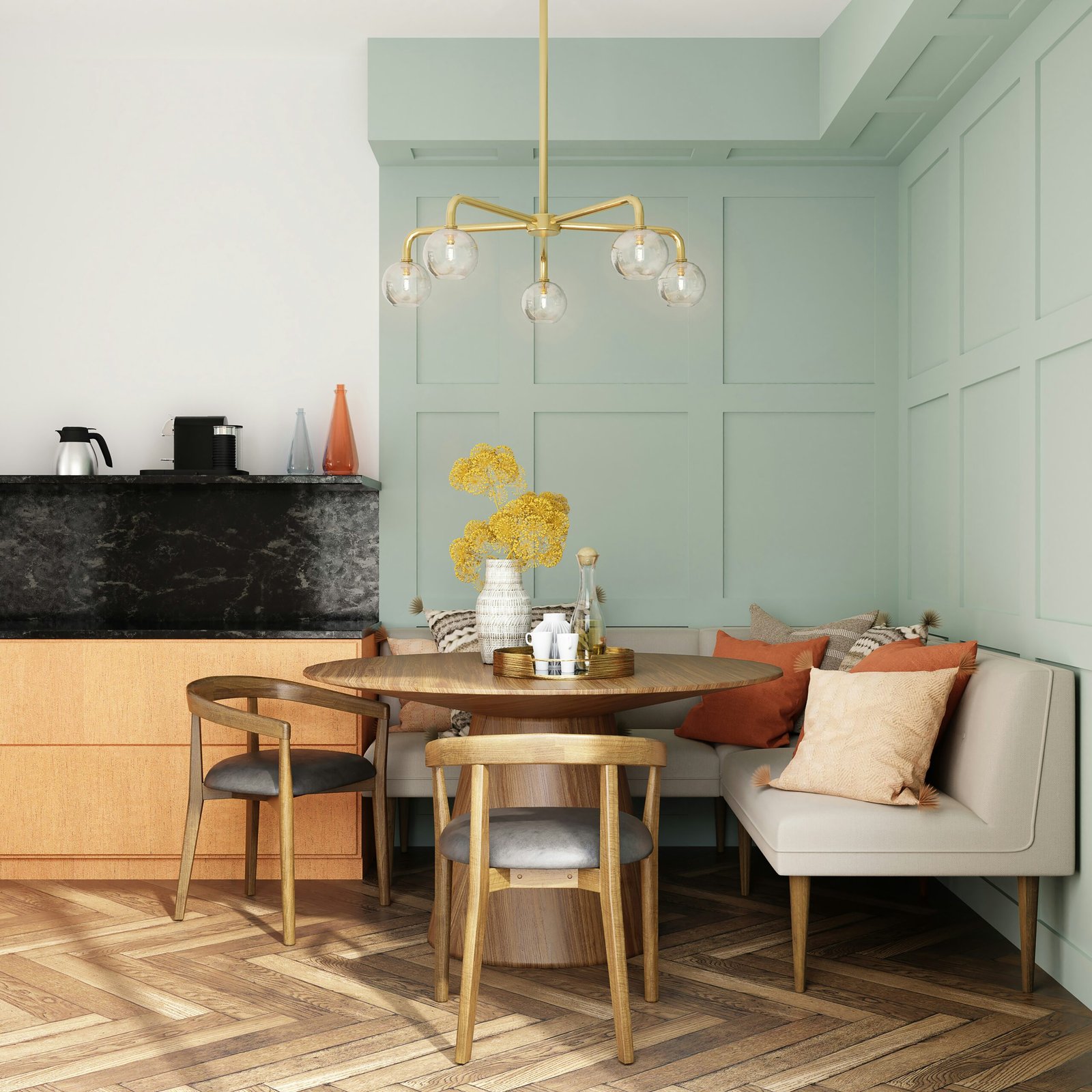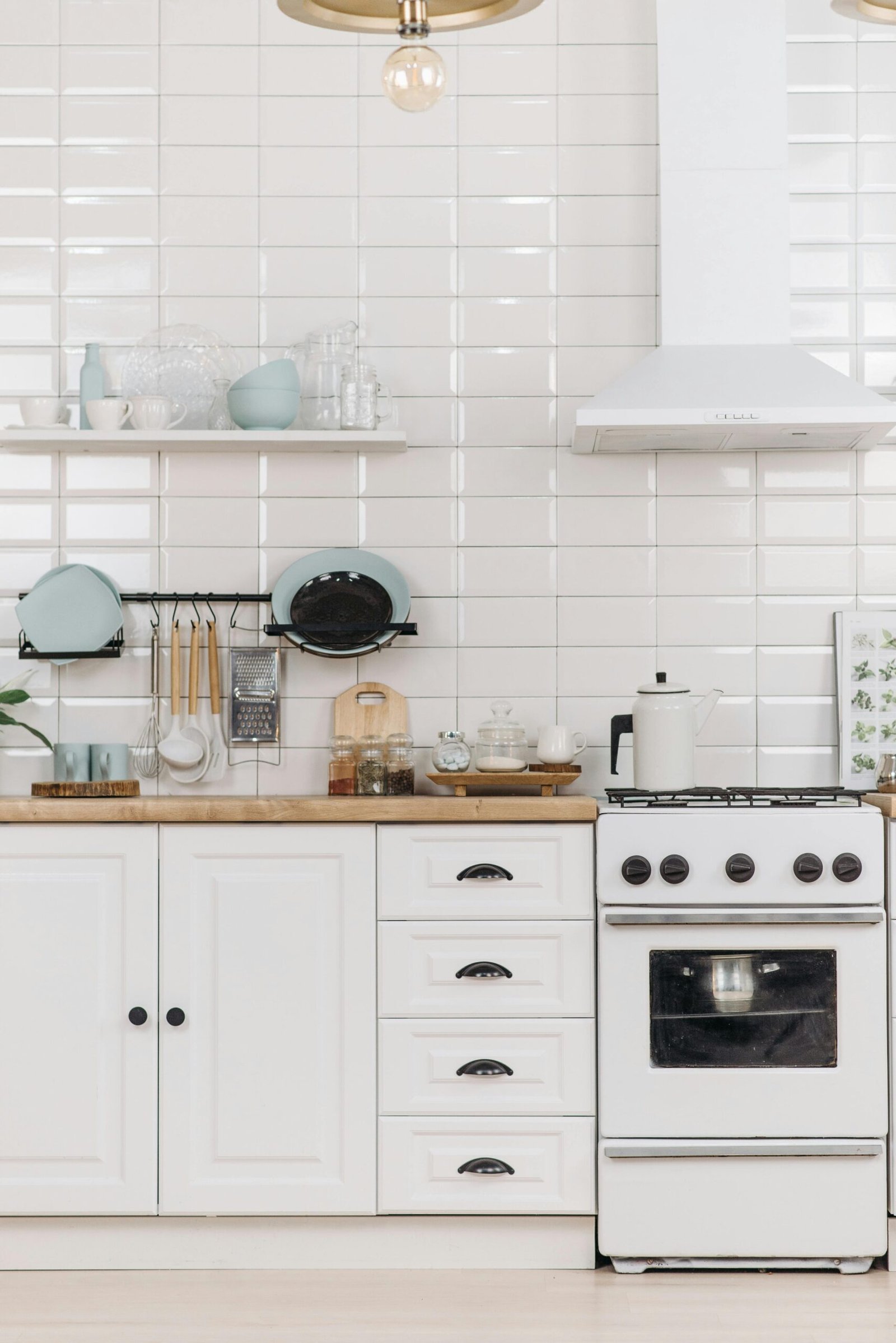
Warm tone kitchen countertops in shades of taupe, cream, ivory, and natural stone are quickly replacing stark white as the go-to surface for kitchens that feel both current and comfortable. If your bright white counters feel cold or dated, switching to a warm-toned alternative can transform your kitchen into a space that feels lived-in and personal.
This guide compares seven specific warm tone kitchen countertops materials side by side — with real US price ranges, durability ratings, maintenance needs, and design pairings — so you can make a confident choice without a full gut renovation.
Designers and kitchen professionals report growing interest in warm, softer neutral surfaces, reflecting a broader move away from the sterile all-white kitchen toward spaces with warmth and character.
Why Homeowners Are Moving Away From White Countertop Options
Bright white countertops dominated kitchen design for more than a decade. They photographed well, paired easily with nearly any cabinet color, and gave kitchens a clean, modern feel. But many homeowners have learned that living with all-white surfaces is a different experience than admiring them in a showroom or on a screen.
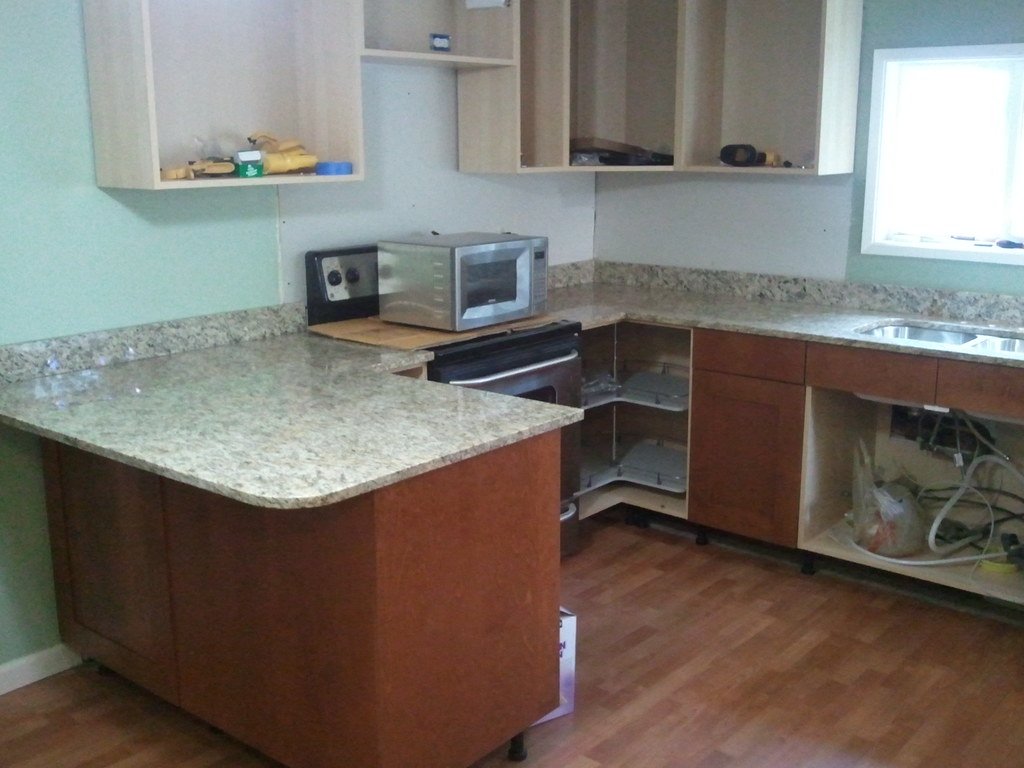
White surfaces show every crumb, water ring, and stain. They can make a kitchen feel clinical under certain lighting. And after years of popularity, the look has become so common that it no longer feels distinctive. Warm tone kitchen countertops offer a practical and aesthetic alternative — surfaces that hide everyday wear better, create a cozier atmosphere, and give kitchens a sense of depth that pure white simply cannot.
The shift toward warm tone kitchen countertops also aligns with broader design trends favoring natural materials, earthy palettes, and spaces that feel connected to nature. Cream, taupe, warm gray, and honey-toned surfaces bring organic texture into a room without overwhelming it.
7 Warm Toned Quartz Countertops and Natural Stone Alternatives
Not all warm tone kitchen countertops are created equal. Each material brings its own combination of color depth, durability, maintenance needs, and cost. Here are seven options worth considering, from high-end natural stone to budget-friendly surfaces.
1. Warm Toned Quartz Countertops
Engineered quartz is one of the most practical warm tone kitchen countertops available. Manufacturers like Caesarstone, Cambria, and Silestone offer dozens of warm-toned options — from creamy whites with subtle veining to deep taupe and warm greige tones. Because quartz is engineered, the color and pattern are consistent across slabs, which makes planning easier.
Quartz requires zero sealing, resists stains and scratches well, and handles daily kitchen use without fuss. For warm tone kitchen countertops that look refined but demand minimal effort, quartz is hard to beat.
- Cost: $50–$120 per square foot installed
- Durability: Excellent — scratch and stain resistant
- Heat resistance: Moderate — use trivets for hot pans
- Maintenance: Wipe clean; no sealing required
- Best for: Busy family kitchens and low-maintenance households
2. Quartzite in Warm Tones
Natural quartzite offers warm tone kitchen countertops with a depth and movement that engineered materials cannot replicate. Slabs like Taj Mahal, Perla Venata, and Mont Blanc feature soft ivory, cream, and golden undertones with dramatic veining. Every slab is unique, which adds character but also means you need to hand-select your piece at a stone yard.
Quartzite is extremely hard — harder than granite — and handles heat well. However, it does require annual sealing to maintain stain resistance, and premium slabs carry a higher price tag. For homeowners who want warm tone kitchen countertops with genuine natural beauty and are willing to invest in both cost and upkeep, quartzite delivers.
- Cost: $70–$200 per square foot installed
- Durability: Excellent — very hard and scratch resistant
- Heat resistance: High — handles hot pans better than quartz
- Maintenance: Annual sealing recommended; clean up acidic spills promptly
- Best for: Homeowners wanting a statement slab with unique variation
3. Honed or Leathered Marble
Marble in warm tones — think Calacatta Gold, Crema Marfil, or Botticino — provides warm tone kitchen countertops with timeless elegance. The golden and honey-colored veining in these marbles creates warmth that cool Carrara varieties simply do not offer.
Marble is softer and more porous than quartzite or quartz, which means it etches from acidic foods and stains more easily. A honed or leathered finish hides wear better than a high-gloss polish, making it a more practical choice for warm tone kitchen countertops in daily-use kitchens. Expect to seal marble every six to twelve months.
- Cost: $60–$180 per square foot installed
- Durability: Moderate — softer stone, prone to etching
- Heat resistance: Good
- Maintenance: Seal every 6–12 months; blot spills immediately
- Best for: Lower-traffic kitchens or homeowners who embrace natural patina
4. Soapstone
Soapstone offers warm tone kitchen countertops with a muted, velvety appearance. Soapstone is a cool-leaning gray to charcoal, so it suits warmth mainly through its oiled, deepened tone and pairing with wood and cream cabinets rather than as a cream or taupe surface.
Fresh soapstone is a soft gray-green, but it darkens over time to a rich charcoal — especially when oiled. That natural aging process gives the surface a depth and warmth that feels authentically old-world.
Soapstone is nonporous, which means it does not need sealing and resists stains naturally. It does scratch, but scratches can be buffed out with sandpaper and mineral oil. For warm tone kitchen countertops that develop character with age, soapstone is a standout choice.
- Cost: $70–$150 per square foot installed
- Durability: Good — nonporous but softer, scratches easily
- Heat resistance: Excellent — handles heat very well, though a trivet is still a good habit
- Maintenance: Optional mineral oil every few weeks to darken evenly; no sealing
- Best for: Farmhouse and traditional kitchens; homeowners who like lived-in character
5. Butcher Block
Wood countertops in walnut, maple, white oak, or acacia deliver warm tone kitchen countertops with an unmistakable natural warmth that no stone can match. The honey, amber, and caramel tones of wood instantly soften a kitchen and pair beautifully with both painted and natural wood cabinetry.
Butcher block is the most affordable warm tone kitchen countertops option and one of the few materials practical for a confident DIY install. The trade-off is maintenance: wood countertops need oiling every one to three months with food-safe mineral oil or a wax blend. They also need protection from standing water and excessive heat.
- Cost: $25–$80 per square foot (materials); DIY install can save $500–$1,500
- Durability: Moderate — can be sanded and refinished
- Heat resistance: Low — always use trivets
- Maintenance: Oil every 1–3 months; sand out scratches or stains as needed
- Best for: Budget renovations, island tops, prep areas, and DIY projects
6. Concrete (Custom Tinted)
Poured concrete warm tone kitchen countertops can be tinted to virtually any warm shade — from pale sand to deep mushroom. The surface has an organic, handmade quality that suits modern farmhouse and industrial-style kitchens. Each pour is unique, with subtle tonal variation and texture.
Concrete is heavy, requires professional fabrication for most kitchens, and needs periodic sealing to prevent staining. But for homeowners who want warm tone kitchen countertops with a truly custom, artisanal look, concrete delivers a result that mass-produced materials cannot.
- Cost: $65–$135 per square foot installed
- Durability: Good when properly sealed; can develop hairline cracks over time
- Heat resistance: High
- Maintenance: Seal every 1–3 years; wax periodically for added protection
- Best for: Custom kitchens, modern farmhouse style, homeowners wanting a one-of-a-kind surface
7. Porcelain Slabs
Large-format porcelain slabs offer warm tone kitchen countertops that mimic the appearance of marble, quartzite, or concrete at a lower price point. Brands like Dekton, Neolith, and Lapitec produce slabs in warm ivory, sand, and taupe tones with remarkably realistic veining and texture.
Porcelain is extremely durable — it resists heat, stains, and scratches. Porcelain needs very little care beyond regular cleaning; avoid hitting edges, since porcelain can chip. It requires no sealing and is lighter than natural stone. For warm tone kitchen countertops on a moderate budget with near-zero maintenance, porcelain slabs deserve a close look.
- Cost: $55–$110 per square foot installed
- Durability: Excellent — highly resistant to heat, stains, and scratches
- Heat resistance: Excellent
- Maintenance: Wipe clean; no sealing required
- Best for: Low-maintenance households, outdoor kitchens, contemporary design
Warm Tone Kitchen Countertops: Side-by-Side Material Comparison
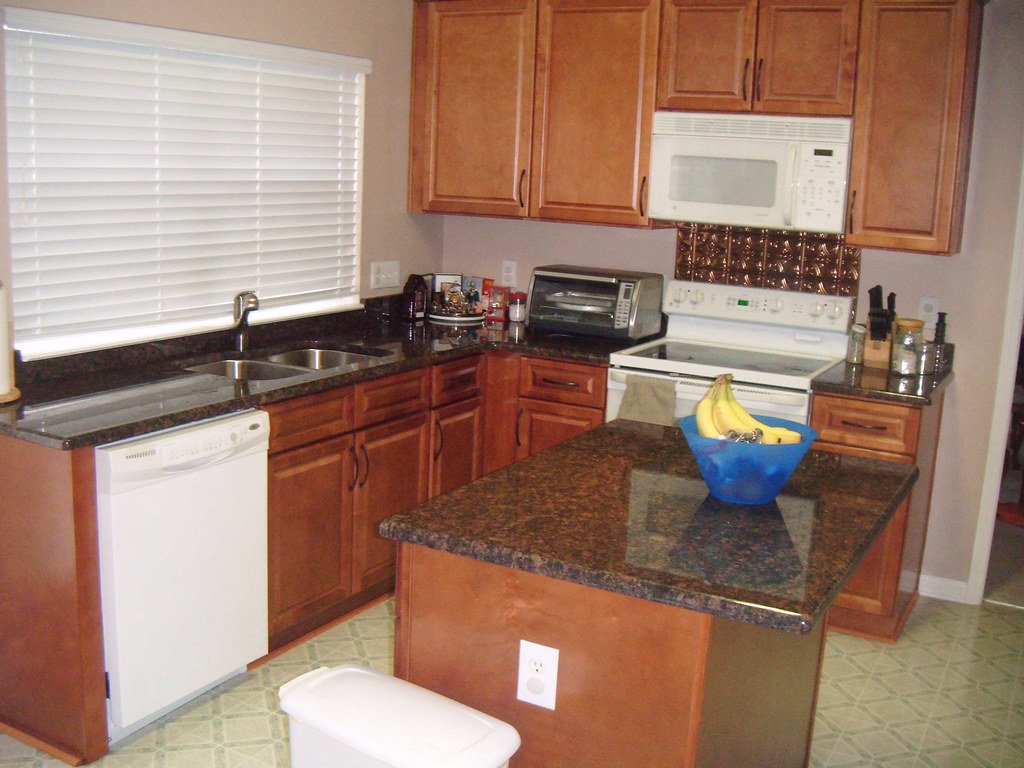
Use this table to compare warm tone kitchen countertops materials at a glance. Costs reflect typical US pricing including professional installation, except where noted.
| Material | Cost/Sq Ft (Installed) | Durability | Heat Resistance | Stain Resistance | Sealing Needed | DIY Friendly |
|---|---|---|---|---|---|---|
| Warm Quartz | $50–$120 | Excellent | Moderate | High | No | No |
| Quartzite | $70–$200 | Excellent | High | Good when sealed | Annually | No |
| Honed Marble | $60–$180 | Moderate | Good | Low | Every 6–12 months | No |
| Soapstone | $70–$150 | Good | Excellent | High | No (oil optional) | No |
| Butcher Block | $25–$80 (materials) | Moderate | Low | Low–Moderate | Oil every 1–3 months | Yes |
| Concrete | $65–$135 | Good | High | Moderate when sealed | Every 1–3 years | Possible |
| Porcelain Slab | $55–$110 | Excellent | Excellent | High | No | No |
According to Angi, countertop remodels average between $2,000 and $5,000 total, but final cost depends heavily on material choice, kitchen size, and whether you hire a contractor or handle parts of the work yourself. For a typical 30-square-foot kitchen counter area, warm tone kitchen countertops in butcher block might run $750–$2,400 in materials alone, while premium quartzite could reach $4,000–$6,000 installed.
Installation complexity changes the price: a simple straight run with one sink cutout sits at the low end of each range, while an island with a waterfall edge, cooktop cutout, or demolition of old counters, plumbing disconnects, and sink swaps can add $10–$40 per square foot or more.
Butcher block is the one material many confident DIYers install themselves (roughly $200–$600 in tools, sealer, and supplies versus $500–$1,500 in labor). Stone, quartz, and porcelain warm tone kitchen countertops should be fabricated and installed by professionals because of weight and cutting risks.
Alternatives to Replacing Kitchen Countertops Entirely
A full countertop replacement is not the only path to warm tone kitchen countertops. Several approaches let you test the look or transition gradually without committing to a complete swap.
Start With an Island or Bathroom Vanity
Installing warm tone kitchen countertops on just your island — while keeping existing perimeter counters — is a lower-cost way to introduce the look. This two-tone approach is a well-established design move, not a compromise. It also works for a bathroom vanity, where a smaller slab costs less and lets you live with the color before scaling up.
Use the Same Material for Countertop and Backsplash
Running warm tone kitchen countertops material up the backsplash reduces visual clutter and creates a more cohesive, timeless look. This technique also eliminates the need to find a separate backsplash tile that coordinates, simplifying both the design process and the budget. Fabricators can often cut backsplash pieces from the same slab.
Refinish or Overlay Existing Surfaces
For homeowners on tight budgets, concrete overlay kits and countertop refinishing products allow you to apply a warm-toned finish over existing laminate or solid-surface counters. These are not permanent solutions, but they can buy time while you save for a full replacement — and they cost under $300 for most kitchens.
What Looks Good on Kitchen Counters: Design Pairing Guide
Choosing warm tone kitchen countertops is only half the equation. The countertop needs to work with your cabinets, flooring, and overall palette. Here are specific pairing guidelines that help warm surfaces look intentional rather than mismatched.

Warm Tone Kitchen Countertops With White Cabinets
Cream and ivory warm tone kitchen countertops pair naturally with white cabinetry, but the white matters. Cool, blue-toned whites (like Benjamin Moore Chantilly Lace) can clash with warm counters. Opt for warmer whites like Benjamin Moore White Dove or Sherwin-Williams Alabaster, which share similar undertones and create a harmonious transition.
Warm Tone Kitchen Countertops With Navy or Sage Cabinets
Deep navy cabinets paired with taupe or cream warm tone kitchen countertops create a grounded, sophisticated look. Sage green cabinets work beautifully with honey-toned butcher block or golden-veined quartzite. Both colors are classic partners for neutral surfaces because they contrast gently with cream and taupe without competing with them.
Warm Tone Kitchen Countertops With Two-Tone Cabinets
Two-tone cabinet schemes — where upper and lower cabinets differ in color — give you flexibility. A common approach: warm white uppers with sage, charcoal, or natural wood lowers, unified by warm tone kitchen countertops in a cream or taupe quartz. The countertop acts as a bridge between the two cabinet colors.
Should Countertops Match Floor or Cabinets?
Warm tone kitchen countertops do not need to match either the floor or the cabinets exactly. The goal is undertone harmony, not an identical color match. If your flooring has warm, golden undertones (common in oak and hickory hardwoods), choose warm tone kitchen countertops with similar base warmth.
Cool-toned gray flooring pairs better with taupe or greige counters than with honey or cream tones. Pull a sample of your flooring and set countertop samples directly on top — the undertones either agree or they do not, and you can see the answer in about five seconds.
Finish Options: Honed vs. Leathered vs. Polished
The finish on your warm tone kitchen countertops affects both the look and the practicality of the surface. This choice matters more than many buyers realize, especially in high-traffic kitchens.
Polished: High-gloss, reflective surface. Shows fingerprints, water spots, and etching more visibly. Best for formal kitchens with lighter daily use. Polished warm tone kitchen countertops look striking but demand more frequent wiping.
Honed: Matte, smooth surface with no shine. Hides minor scratches and etching far better than polished. Honed is a common choice for family kitchens — it looks elegant without showing every mark.
Leathered: A textured, slightly dimpled surface with a soft sheen. Leathered finishes hide wear and fingerprints best of all three options and add tactile depth. They work especially well on darker warm tone kitchen countertops in materials like granite and quartzite.
For families with children or kitchens that see heavy daily use, honed and leathered finishes are the more forgiving choices. Reserve polished finishes for lower-traffic areas or surfaces you are willing to maintain more carefully.
Common Mistakes When Switching From White Countertops
Moving from bright white to warm tone kitchen countertops is straightforward, but a few missteps can undermine the result. Avoid these common errors.

Ignoring undertones in your existing flooring. Warm tone kitchen countertops with yellow or golden undertones will clash with cool gray tile or gray-washed hardwood. Always test samples against your actual floor — not just your cabinets.
Assuming a matte finish is automatically low-maintenance. Honed marble and limestone show etching less than polished, but their textured surface can hold stains and oils, so they need prompt cleanup and regular sealing.
Matching warm tone kitchen countertops too closely to cabinet wood tones. When the counter color and the cabinet wood are nearly identical, the two surfaces blend together and neither stands out. Aim for contrast — a lighter cream counter against medium walnut cabinets, or a dark soapstone counter against honey oak.
Skipping the sample step. Online photos are unreliable for color accuracy. Order physical samples of your top two or three warm tone kitchen countertops choices and live with them in your kitchen for at least a week. Check them in morning light, artificial evening light, and under your specific cabinet lighting. Colors shift dramatically depending on the light source.
Forgetting about the backsplash. A warm countertop paired with a cool-toned subway tile backsplash creates a visual disconnect. If you are updating warm tone kitchen countertops, budget for a backsplash update or choose a material you can run up the wall.
Maintenance and Sealing Guide for Warm Tone Kitchen Countertops
Each warm tone kitchen countertops material has its own care routine. Knowing what to expect before you buy saves frustration later.
Quartz: The easiest to maintain. Clean with mild soap and water. No sealing ever. Avoid harsh chemicals like bleach, which can dull the surface over time. Warm tone kitchen countertops in quartz stay looking new with minimal effort.
Quartzite: Apply a quality impregnating sealer once a year. Clean with a pH-neutral stone cleaner — avoid vinegar and citrus-based products. Wipe up acidic spills (wine, lemon juice, tomato sauce) promptly. Well-maintained quartzite warm tone kitchen countertops can last decades.
Marble: Seal every six to twelve months with an impregnating sealer. Expect some etching over time, especially on honed surfaces. Many homeowners consider the natural patina part of marble’s charm. Use cutting boards and coasters consistently.
Soapstone: No sealing required. Apply food-grade mineral oil every few weeks if you want the surface to darken evenly. Without oil, soapstone develops a patina unevenly — some homeowners prefer this organic aging. Scratches can be sanded out with fine-grit sandpaper.
Butcher block: Oil with food-safe mineral oil or a beeswax-and-oil blend every one to three months, depending on use. Sand out cuts, stains, or rough patches with 220-grit sandpaper and re-oil. Keep wood warm tone kitchen countertops dry — do not let water pool, especially near sinks.
Concrete: Seal every one to three years with a penetrating concrete sealer. Wax the surface periodically for extra protection. Avoid placing acidic foods directly on unsealed areas.
Porcelain: No sealing. Clean with any household cleaner. Porcelain warm tone kitchen countertops need very little care beyond regular cleaning; avoid hitting edges, since porcelain can chip.
Where to Buy Warm Tone Kitchen Countertops in the US
Finding the right slab or surface at the right price requires knowing where to shop. Options range from big-box retailers to specialty stone yards.
Home Depot and Lowe’s: Both carry warm-toned quartz and butcher block from several brands; availability varies by store and region, so check current offerings. Pricing is competitive, and both offer in-home measurement and professional installation. These stores are the most accessible starting point for warm tone kitchen countertops, especially for quartz and butcher block.
Regional stone yards: For quartzite, marble, or soapstone, visiting a local stone yard lets you hand-select your slab. Prices can be lower than through a kitchen showroom because fewer middlemen are involved, but compare quotes. Many yards also sell remnant pieces at a noticeable discount compared with a full slab order — ideal for islands, bathroom vanities, or smaller warm tone kitchen countertops projects.
Online remnant marketplaces: Sites that specialize in connecting buyers with leftover slabs from fabrication shops can offer premium materials sometimes at lower prices. Search for quartzite or marble remnants in your area.
With remnants, measure carefully, ask for photos of the exact piece, confirm it has no cracks or repairs, and ask your fabricator to approve the size before paying. These pieces are typically large enough for a small island or vanity top and can cost less than buying a full slab.
Specialty fabricators: For concrete warm tone kitchen countertops, search for local concrete artisans or custom fabrication shops. Most concrete countertops are poured to order, so you will work directly with the maker on color, texture, and edge profiles.
How to Test Warm Tone Kitchen Countertops Before Committing
Committing to a countertop is a significant investment — most warm tone kitchen countertops will be in your kitchen for ten to twenty years. A structured sampling process prevents expensive regret.
- Order samples from at least three materials. Most quartz manufacturers offer free or low-cost sample chips. Stone yards will often let you borrow larger samples or take detailed photos of slabs on-site. Request warm tone kitchen countertops samples in the exact finishes you are considering (honed, polished, or leathered).
- Live with the samples for a full week. Place them on your existing countertop near the sink, next to your cabinets, and beside your flooring. Check the color in morning sun, overcast daylight, and under your kitchen’s artificial lights. Warm tone kitchen countertops can look dramatically different depending on the time of day.
- Test stain resistance. On sample pieces, dab a small amount of olive oil, red wine, and lemon juice. Let it sit for 30 minutes, then wipe clean. This gives you a realistic preview of how each warm tone kitchen countertops material handles daily spills.
- Start small. If you are still uncertain, install warm tone kitchen countertops on just the island or a bathroom vanity first. Living with the material in a smaller application builds confidence before you commit to the full kitchen.
Real-Life Example: Testing a Warm Counter on the Island First
Here is an illustrative example: picture Maria, a homeowner with a ten-year-old kitchen featuring white quartz counters and white shaker cabinets. The kitchen looked sharp when it was new, but after a decade of family use, the white surfaces felt sterile and showed every water mark. Maria wanted to update the space, but a full countertop replacement across all surfaces would have cost over $5,000 — more than she wanted to spend at once.
Instead, she started with just the island. She ordered samples of warm toned quartz in a creamy taupe shade, lived with the samples for two weeks in different lighting, and confirmed the undertone worked with her existing oak hardwood floors. She had a local fabricator install the new warm tone kitchen countertops on the island only, spending about $1,800 including installation (illustrative figures).
The difference was immediate. The warm island counter made the kitchen feel cozier and more grounded, and it looked intentional as a two-tone surface combination. Maria plans to replace the perimeter warm tone kitchen countertops in the same material within the next year. The lesson: starting with one surface lets you confirm the color, live with the maintenance, and spread the cost over time.
Frequently Asked Questions
What Is the Best Countertop to Use in a Kitchen?
The best countertop depends on how you use your kitchen. For busy family kitchens, warm tone kitchen countertops in quartz or porcelain offer the best combination of durability and low maintenance. For homeowners who prioritize natural beauty and do not mind periodic sealing, quartzite and soapstone are excellent options. Butcher block works well for budget-friendly projects and prep areas where warmth and character matter more than stain resistance.
Are White Kitchen Worktops a Bad Idea?
White countertops are not inherently bad — they are durable and versatile. However, they show stains, crumbs, and water marks more visibly than warm tone kitchen countertops. They can also make a kitchen feel cold under certain lighting. If you find yourself constantly wiping down surfaces or if your kitchen feels sterile, switching to warm tone kitchen countertops in cream, taupe, or ivory addresses both issues while still keeping a neutral, timeless palette.
Should Kitchen Countertops Match Floor?
Exact matching is unnecessary and can make a kitchen look flat. Instead, aim for undertone harmony. If your flooring has warm undertones (golden oak, warm-toned tile), choose warm tone kitchen countertops with similar warmth. If your floors are cool-toned gray, lean toward taupe or greige countertops rather than cream or ivory. Place physical samples of your warm tone kitchen countertops directly on your flooring to check compatibility before ordering.
Which Is the Best Countertop for Kitchen Durability?
Porcelain slabs and engineered quartz are the most durable warm tone kitchen countertops available. Both resist scratches and stains without sealing; porcelain also handles heat very well, while quartz still needs trivets for hot pans and should be kept out of prolonged direct sun. Natural quartzite is also extremely hard and durable, though it requires annual sealing. For families with young children or kitchens with heavy daily use, these three materials offer the longest trouble-free lifespan among warm tone kitchen countertops.
What Looks Good on Kitchen Counters?
Beyond the countertop material itself, warm tone kitchen countertops look best when paired with complementary elements. Wooden cutting boards, ceramic crocks, and matte-finish hardware enhance the warm aesthetic. Avoid cluttering the surface — a few well-chosen items create a curated look. For interior design inspiration, consider natural materials like woven baskets, stoneware, and linen textiles that echo the warm tones in your counters.
Making Warm Tone Kitchen Countertops Work in Your Space
The shift from stark white to warm, grounded surfaces reflects a real change in how people want their kitchens to feel. Warm tone kitchen countertops in materials ranging from affordable butcher block to luxurious quartzite offer options at every budget, maintenance preference, and style. By sampling materials in your own lighting, choosing finishes that match your household’s daily demands, and starting with an island or vanity if budget is tight, you can make this transition practical and low-risk.
For more ideas on creating a kitchen that reflects how you actually live, explore our kitchen and home organization guides.
Sources
This article was inspired by No More Bright White Countertops: The Gorgeous Alternative Homeowners Are Choosing In 2027 on Hunker. Cost estimates referenced from Angi.
For manufacturer color ranges and care guidance, see Caesarstone, Cambria, and Dekton. For natural stone selection, sealing, and maintenance basics, visit the Natural Stone Institute.