The fastest way to clean sliding door tracks is to vacuum loose debris first, then apply a cleaning solution that loosens caked-on grime so you can wipe or scrub it away. A door that sticks, squeaks, or jumps off its glide almost always traces back to buildup in those narrow bottom grooves. The good news: you can clean sliding door tracks and restore smooth operation in 15 to 45 minutes with supplies already in your kitchen or garage.
This guide walks through five distinct methods to clean sliding door tracks, each matched to a different level of grime. You will also find a full materials list with US price ranges, advice on which cleaners are safe for your track material, lubrication guidance, and a maintenance schedule tailored to your setup. Whether you want to clean sliding door tracks for the first time or refine a routine that is not working, there is a method here for you.
Why You Need to Clean Sliding Door Tracks Regularly
Sliding glass door tracks sit at floor level, right where dust, pet hair, pollen, food crumbs, and outdoor grit naturally settle. According to Homedit, even after cleaning the glass and surrounding frame, buildup can remain along the bottom rail. That residue is more than cosmetic. Packed dirt acts like sandpaper against the rollers, increasing friction and wearing down parts that are expensive to replace.
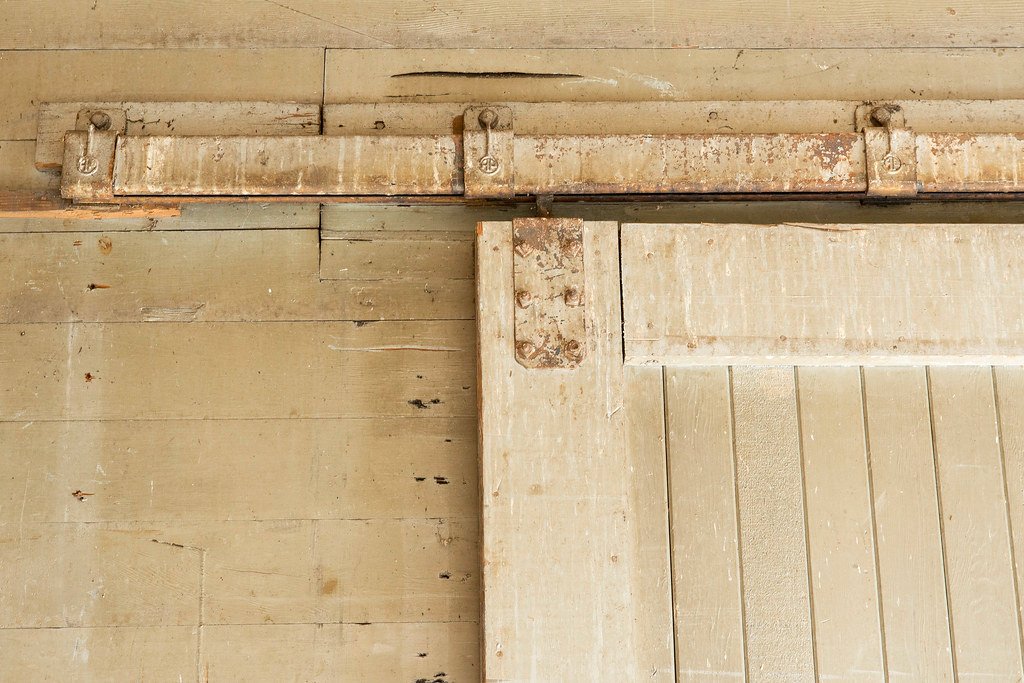
When you clean sliding door tracks on a regular basis, you prevent three problems at once: rough or sticky sliding, water intrusion through blocked drainage holes, and premature roller failure. Renters benefit too — a stuck patio door is a common cause of security-deposit deductions. The right time to clean sliding door tracks is before the door starts sticking, not after.
Materials List and US Price Ranges
Before you clean sliding door tracks, gather your supplies. Most methods share the same core items, with a few extras depending on which approach you choose.
| Item | Approx. US Price | Used In |
|---|---|---|
| Stiff-bristle brush or old toothbrush | $3–$8 | All methods |
| Vacuum with crevice attachment | Already owned / $25–$40 handheld | All methods |
| Microfiber cloths (pack of 4–6) | $5–$10 | All methods |
| White distilled vinegar (32 oz) | $2–$4 | Methods 1, 2, 4 |
| Baking soda (16 oz box) | $1–$2 | Method 3 |
| Spray bottle | $1–$3 | Methods 1, 2, 4 |
| Butter knife or flat-head screwdriver | Already owned | Method 5 |
| Paper towels or lint-free rags | $3–$6 | Methods 4, 5 |
| Silicone-based lubricant spray | $5–$10 | Post-cleaning step |
| Dish soap (optional) | $2–$4 | Method 2 |
Total cost if you start from scratch is roughly $25–$45. Most households already have at least half these items on hand. Having all supplies ready before you clean sliding door tracks saves time and prevents interruptions mid-project.
Step One for Every Method: Dry Grit Removal
No matter which method you use to clean sliding door tracks, always start by removing loose, dry debris. Skipping this step is one of the most common mistakes — applying liquid to dry grit creates a paste that is harder to remove and can get pushed into rollers or drainage channels.

- Open the sliding door fully to expose the entire track length.
- Use a vacuum with a crevice attachment to suction out loose dirt, sand, leaves, and pet hair from both the top and bottom rails.
- Follow with a dry stiff-bristle brush to dislodge anything wedged into corners or screw wells.
- Vacuum again to pick up whatever the brush loosened.
This dry pass alone makes a visible difference and takes about three minutes. Once you clean sliding door tracks of loose debris, choose the cleaning method that matches your grime level.
Method 1: Clean Sliding Door Tracks with Vinegar (Light Grime)
Time: 10–15 minutes | Difficulty: Easy
When you need to clean sliding door tracks that have light, recent buildup — the kind you can see but can still wipe with a finger — a vinegar spray is the simplest approach. White vinegar is mildly acidic, which dissolves mineral deposits and cuts through grease without leaving residue. Many homeowners choose to clean sliding door tracks with vinegar because it is affordable and already in the pantry.
- Mix equal parts white vinegar and warm water in a spray bottle.
- Spray the solution generously along the full length of the bottom track.
- Let it sit for three to five minutes so the acid can break down grime.
- Scrub with a stiff-bristle brush or old toothbrush, working from the outer edges toward the center of the track.
- Wipe with a damp microfiber cloth to collect loosened dirt.
- Dry the track completely with a clean cloth.
Vinegar is generally fine for vinyl and brief contact on bare aluminum. Test a hidden spot first on anodized, coated or painted steel tracks, then rinse and dry quickly. To clean sliding door tracks with vinegar effectively, always dry the surface thoroughly after wiping.
Method 2: Brush-and-Vacuum Deep Clean (Moderate Grime)
Time: 20–30 minutes | Difficulty: Easy to Moderate

For tracks with months of accumulated dirt — the kind that feels gritty underfoot or causes the door to hitch — a more thorough approach is needed. This is a strong choice for moderate buildup when routine maintenance has lapsed.
- Complete the dry grit removal step described above.
- Mix a few drops of dish soap into warm water in a spray bottle. For extra cutting power, add two tablespoons of white vinegar.
- Spray the track and let the solution soak for five minutes.
- Scrub every inch of the track with a stiff-bristle brush. A sliding glass door track cleaning brush with angled bristles works best here because it matches the groove profile. These are available at most hardware stores for $4–$8.
- Vacuum the loosened slurry with the crevice tool. This is faster and cleaner than wiping.
- Spray once more with plain water to rinse soap residue.
- Wipe dry with microfiber cloths.
This method works well for both interior and exterior tracks. If you have a bathroom with a sliding shower door, the same brush-and-vacuum approach applies — though shower tracks tend to accumulate soap scum rather than sand. Use this method whenever you clean sliding door tracks that have not been touched in several months.
Method 3: Clean Sliding Door Tracks with Baking Soda (Heavy Grime)
Time: 25–40 minutes | Difficulty: Moderate
Baking soda paste is a gentle abrasive that tackles stubborn, caked-on grime without scratching your track surface. When you need to clean sliding door tracks that have black, compacted buildup, this method loosens stubborn buildup.
- After vacuuming loose debris, sprinkle a generous line of baking soda along the entire bottom track.
- Pour or spray white vinegar directly over the baking soda. The fizzing reaction helps lift grime from the surface.
- Let the mixture work for 10 to 15 minutes. For extremely heavy buildup, allow up to 20 minutes.
- Scrub with a stiff-bristle brush, applying firm pressure on dark or sticky patches.
- Use a damp cloth to wipe out the paste and loosened dirt. Rinse the cloth frequently.
- Repeat on sections that still show residue.
- Rinse with a lightly damp cloth and dry completely.
Baking soda is generally safe for aluminum and vinyl; on painted steel, scrub lightly with a soft brush and test a hidden spot first. This method is well suited to outdoor-facing tracks, where rain splatter mixes with soil to create hardened deposits. When you clean sliding door tracks with baking soda, the fizzing action does much of the work for you.
Method 4: The Toilet Paper Soak Hack (Crevice Cleaning)
Time: 15–25 minutes | Difficulty: Easy

This sliding glass door track cleaning hack has gained popularity for good reason: it uses the absorbency of paper to conform to narrow grooves and pull grime out of spots a brush cannot reach. It is a smart choice when you want to clean sliding door tracks in tight corners without special tools.
- Lay strips of toilet paper or paper towels flat across the bottom rail, pressing them gently into the groove so they sit flush with the track walls.
- Spray the paper thoroughly with your vinegar solution or an all-purpose cleaner.
- Let the damp paper sit for 5 to 10 minutes. During this time, the moisture loosens grime while the paper absorbs it.
- Peel the paper away carefully. You will likely see gray or black marks on the paper — that is the grime it pulled out of the track.
- Use a brush to clean any remaining residue.
- Wipe down with a damp microfiber cloth, then dry.
A word of caution: toilet paper can tear when wet, leaving small fragments inside the channel. According to Homedit, a lint-free cloth or paper towel is a less risky alternative. If you do use toilet paper, peel it slowly and inspect the track afterward to remove any shreds before they dry in place and become difficult to extract.
This method suits tight crevices and works best as a follow-up to vacuuming rather than a standalone solution. Any time you clean sliding door tracks with this hack, finish with a dry-cloth pass to catch paper fragments.
Method 5: Butter Knife and Cloth Scrape (Compacted Buildup)
Time: 20–30 minutes | Difficulty: Moderate
When grime has hardened into a nearly solid layer — common in homes where tracks have not been cleaned in a year or more — you need mechanical action beyond what a brush provides. This is a good option for compacted buildup that resists every other approach.
- Wrap a thin, lint-free cloth around the flat tip of a butter knife or flat-head screwdriver.
- Spray the cloth tip with vinegar solution or all-purpose cleaner.
- Run the wrapped tool along the track groove, applying moderate pressure. The flat edge conforms to the channel profile and scrapes compacted dirt loose.
- Re-wrap or switch to a clean section of cloth as it becomes soiled.
- Follow with a stiff-bristle brush to clean any remaining residue from corners and screw wells.
- Wipe the track with a damp cloth and dry thoroughly.
Be careful not to gouge vinyl tracks with too much downward pressure. On aluminum, a butter knife is gentle enough to avoid scratching. For steel tracks, use only the cloth — direct metal-on-metal contact can chip paint or remove protective coatings.
Comparison of All 5 Methods to Clean Sliding Door Tracks
| Method | Best For | Time | Difficulty | Cost |
|---|---|---|---|---|
| Vinegar Spray | Light, recent grime | 10–15 min | Easy | Under $5 |
| Brush and Vacuum | Moderate buildup | 20–30 min | Easy–Moderate | $5–$15 |
| Baking Soda Paste | Heavy, caked-on grime | 25–40 min | Moderate | Under $5 |
| Toilet Paper Soak | Hard-to-reach crevices | 15–25 min | Easy | Under $3 |
| Butter Knife Scrape | Compacted, hardened buildup | 20–30 min | Moderate | Usually free (household items) |
Reviewing this comparison before you clean sliding door tracks helps you pick the right method for your situation and avoid wasting time on an underpowered approach. When in doubt, start with the gentlest option and move up only if the grime does not budge.
Which Cleaners Are Safe for Your Track Material
Not every cleaner is appropriate for every track. Using the wrong product when you clean sliding door tracks can cause discoloration, corrosion, or surface damage.
Aluminum Tracks
Aluminum is the most common track material in US patio doors. Baking soda and mild dish soap are safe, and white vinegar works with care. Test a hidden spot first on anodized or coated finishes, and rinse and dry quickly.
Avoid bleach and ammonia-based cleaners, which can cause pitting. Abrasive powders like Comet or Ajax can scratch the surface — stick with baking soda as your abrasive of choice when you clean sliding door tracks made of aluminum.
Vinyl Tracks
Vinyl is forgiving and resists most household cleaners. Vinegar, dish soap, and baking soda all work. Avoid acetone, paint thinner, or other solvents that can warp or discolor vinyl. Do not use steel wool or wire brushes — nylon bristles only. Vinyl tracks are among the easiest to clean sliding door tracks material because they rarely corrode.
Painted or Powder-Coated Steel Tracks
Steel tracks with a painted finish require the gentlest approach. Use dish soap and warm water as your primary cleaner. Test vinegar on a hidden spot first and avoid prolonged contact. Never use abrasive pads, wire brushes, or scouring powder, as these remove the protective paint layer and expose the steel to rust. When you clean sliding door tracks made of painted steel, always rinse and dry promptly.
When in doubt, test any cleaner on a small, hidden section of track first. Wait ten minutes and check for discoloration before applying it to the full length.
How to Clear and Check Drainage Holes
Most sliding patio door tracks have small weep holes or drainage slots at the bottom. These openings allow rainwater that enters the track to drain safely outside rather than pooling and seeping into your floor. When you clean sliding door tracks, check the holes after the dry pass and again after wet cleaning to ensure they remain open.
- Look for small rectangular or round openings along the exterior-facing edge of the bottom track. There are usually two to four per track section.
- Use a toothpick, a plastic straw or soft pipe cleaner to gently probe each hole and push out any packed debris. Do not force tools through weep-hole covers or flaps.
- Pour a small amount of water into the track near each hole and confirm it drains outward. If water pools instead of flowing, the hole is still blocked.
- After clearing, dry the track completely to prevent new dirt from sticking immediately.
Blocked drainage holes are a leading cause of water damage around sliding doors. If you notice water staining on your floor near the door, check these openings before assuming the door seal has failed. Making this a standard step every time you clean sliding door tracks can help prevent costly water damage.
How to Lubricate After You Clean Sliding Door Tracks
A clean track still needs lubrication to keep the door gliding freely. The right sliding glass door track lubricant reduces friction, protects against corrosion, and actually slows future dirt accumulation by preventing grime from bonding to the metal surface. Lubrication is the final step every time you clean sliding door tracks properly.
Silicone Spray vs. WD-40
A silicone-based spray is the better long-term choice here:
- Silicone spray leaves a thin, dry film that repels dust and moisture. It does not attract dirt, lasts for months, and is safe for aluminum, vinyl, and steel. Expect to pay $5–$10 for a can that lasts a full year of maintenance.
- WD-40 is mainly a water-displacing, light penetrating oil. It can free a stuck part, but its oily film holds dirt, so use silicone spray instead.
To apply: spray a light, even line of silicone lubricant along the full track length. Slide the door back and forth several times to distribute the lubricant across the rollers and rail surface. Wipe away any excess with a cloth. The U.S. Department of Energy notes that well-fitting, properly sealed sliding doors help limit air leaks.
Common Mistakes When You Clean Sliding Door Tracks
Even with good intentions, certain habits can make the job harder or damage your door. Avoid these pitfalls every time you clean sliding door tracks.
- Skipping dry debris removal. Spraying liquid onto loose sand and grit creates a muddy paste that is harder to remove and can scratch the track. Always vacuum first before you clean sliding door tracks with any liquid.
- Using too much water. Flooding the track with water pushes debris into the rollers and drainage channels, causing problems that are much harder to fix. Use a spray bottle, not a bucket or hose.
- Pushing debris toward the rollers. Brush outward, away from the roller assembly. Grit that reaches the rollers accelerates wear and can require professional replacement.
- Leaving the track wet. Moisture left on aluminum invites oxidation. On steel, it causes rust. Always dry the track fully when you clean sliding door tracks.
- Using wire brushes on vinyl or painted tracks. Wire bristles scratch and gouge soft surfaces. Use nylon or natural-bristle brushes only.
- Using WD-40 as a long-term lubricant. Its oily film holds dirt, so use silicone spray instead.
Maintenance Schedule: How Often to Clean Sliding Door Tracks
How frequently you need to clean sliding door tracks depends on where the door is located, your climate, and whether pets use the area. Here is a practical schedule to help you clean sliding door tracks at the right intervals.
| Situation | Quick Clean (Vacuum + Wipe) | Deep Clean (Full Method) |
|---|---|---|
| Interior door, no pets | Every 2–3 months | Every 6 months |
| Exterior patio door, no pets | Monthly | Every 3–4 months |
| Exterior door with dogs or cats | Every 2 weeks | Every 2–3 months |
| Dusty or sandy climate | Weekly | Every 2 months |
| High-humidity or rainy region | Monthly (with drainage check) | Every 3 months |
A quick clean takes just three to five minutes — vacuum the track and wipe with a damp cloth. Building this habit into your regular home maintenance routine prevents the heavy buildup that turns a task to clean sliding door tracks into a full project.
Signs Your Tracks Need More Than Cleaning
Sometimes the problem goes beyond dirt. If you clean sliding door tracks thoroughly and the door still does not glide smoothly, the issue may be mechanical.
- Visible dents or bends in the track. A deformed rail cannot guide the rollers properly. Minor bends can sometimes be straightened with pliers, but significant damage requires track replacement.
- Worn or cracked rollers. If the door wobbles, drags on one side, or lifts out of the track, the roller wheels may be worn flat or cracked. Replacement roller assemblies cost $10–$30 per pair and are a manageable DIY project for most homeowners.
- Persistent rough spots despite a clean track. Corrosion pitting on aluminum tracks creates a rough surface that no amount of effort to clean sliding door tracks can fix. At this stage, the track itself needs replacement.
- The door does not latch or lock securely. Misalignment from worn rollers or a bent track can prevent proper latching — a security concern. If you notice this, address it promptly or consult a door specialist.
For hardware replacement, check your door manufacturer’s website for compatible parts. The Home Depot’s sliding door hardware section carries common roller assemblies and replacement track pieces if you prefer a retail source.
How to Clean Sliding Door Tracks and Rollers Together
For the most thorough job, clean the rollers while you clean sliding door tracks. This requires removing the door panel, which adds 10 to 15 minutes but makes a dramatic difference in how smoothly the door operates. If you want to fully clean sliding door tracks from end to end, roller removal is the most complete approach. Check your manual first. Wear gloves and closed shoes, and use a helper. Glass panels can fall or shatter.
Steps vary by model; some doors have the screws behind plugs or caps.
- Locate the roller adjustment screws at the bottom edge of the door panel.
- Turn them counterclockwise to retract the rollers and lower the door slightly.
- Lift the door panel up into the top track, then swing the bottom outward to remove it. This is a two-person job — sliding glass door panels are heavy, often 60 to 100 pounds.
- With the door removed, clean the track completely using your chosen method. You will have unobstructed access to the full track length, making it easier to clean sliding door tracks in corners and near roller wells.
- Clean the rollers with a brush and vinegar spray. Remove any hair, string, or debris wrapped around the wheel axles.
- Apply a drop of silicone lubricant to each roller wheel.
- Reinstall the door by reversing the removal steps. Adjust the roller screws until the door sits level and glides smoothly.
If you are uncomfortable removing the door panel, you can still clean sliding door tracks through the visible sections and apply lubricant without full removal. For a deep overhaul, though, removal gives the best results. If the door is large, heavy or tempered glass, hire a door or glazing professional rather than risk injury.
Real-Life Example: A Renter’s Spring Cleaning Win
Picture Maya, a renter in a second-floor apartment with a sliding patio door that opens to a small balcony. Over two years, the bottom track had collected enough dust, pollen, and pet hair from her cat that the door required both hands and a firm shove to open. She assumed the mechanism was broken and started pricing professional repair.
Before calling anyone, Maya decided to clean sliding door tracks using the baking soda paste method. She vacuumed first, sprinkled baking soda into the groove, sprayed vinegar over it, and waited fifteen minutes. The fizzing reaction loosened a dark layer of compacted grime she had not realized was there. After scrubbing with an old toothbrush and wiping clean, she applied a thin coat of silicone spray.
The door slid open smoothly. The entire project took about 30 minutes and cost almost nothing because she already had the supplies. The lesson: a stuck sliding door is often just a dirty track, so it is worth cleaning before paying for a service call. Taking the time to clean sliding door tracks before calling a professional saves the cost and hassle of a service call that may not have been necessary.
Frequently Asked Questions
How do you clean sliding door tracks with vinegar?
Mix equal parts white vinegar and warm water in a spray bottle. Vacuum the track first to remove loose debris. Spray the solution into the grooves, wait three to five minutes, then scrub with a stiff-bristle brush. Wipe everything up with a damp microfiber cloth and dry thoroughly. To clean sliding door tracks with vinegar safely, avoid prolonged contact with anodized aluminum finishes.
How do you clean sliding door tracks with baking soda?
After vacuuming loose dirt, sprinkle baking soda along the full length of the bottom track. Spray white vinegar over it and let the fizzing mixture work for 10 to 15 minutes. Scrub with a brush, wipe clean with a damp cloth, and dry completely. When you clean sliding door tracks with baking soda, the gentle abrasive action removes heavy grime that vinegar alone cannot dissolve.
How do you keep sliding glass door tracks clean long-term?
Vacuum the track every two to four weeks using a crevice attachment — this takes under two minutes and prevents buildup from hardening. Apply silicone lubricant every three to six months. Place a doormat on both sides of the door to reduce the grit tracked into the channel. The simplest way to clean sliding door tracks less often is to keep loose debris from accumulating in the first place.
How do you clean sliding door tracks without a vacuum cleaner?
Use a dry stiff-bristle brush or old toothbrush to sweep loose debris out of the track into a dustpan. A damp paper towel pressed into the groove can pick up fine dust that brushing misses. Follow with your chosen cleaning method — a damp paper towel or the toilet paper soak can pick up what the brush loosens. You can still effectively clean sliding door tracks without vacuum access using these alternatives.
How do you clean patio door tracks that have mold?
For mold or mildew, spray undiluted white vinegar into the track and let it sit for 10 minutes. White vinegar can help break down light mildew on hard surfaces. Wear gloves and a mask, never mix vinegar with bleach, and if mold covers a large area or spreads into the wall, floor or frame, call a mold remediation professional. Scrub with a stiff brush, wipe clean, and dry completely.
If mold returns quickly, check that the track’s drainage holes are clear, as standing water feeds mold growth. When you clean sliding door tracks with mold, ensure the area dries fully to prevent regrowth. For persistent mold, improve ventilation near the door and consider consulting a DIY projects guide for adding weather stripping.
Sources
This article was inspired by a piece from Homedit on using toilet paper to clean sliding door tracks. Additional guidance on sliding glass door maintenance and energy efficiency is available from the U.S. Department of Energy. Replacement hardware and track components can be found at The Home Depot.