A microwave curtain cover is the easiest and most affordable way to disguise a bulky kitchen appliance without sacrificing everyday convenience. By hanging a tailored fabric panel across an open cabinet niche or countertop work surface, you immediately soften the harsh lines of modern cooking gear. With the proper hardware and adequate ventilation clearances, a well-planned microwave curtain cover transforms an unsightly kitchen corner into a charming, intentional design feature that elevates your whole room.
Countertop and built-in microwaves present a persistent aesthetic puzzle in small, historic, or vintage homes. While indispensable for reheating morning coffee, steaming fresh vegetables, and warming family leftovers, these boxy devices dominate counters with dark tinted glass, reflective plastic panels, and stark digital clocks. Choosing a stylish microwave curtain cover offers an elegant, renter-friendly alternative to expensive custom cabinetry renovations that often cost hundreds or thousands of dollars.
Before rushing to hang a panel, you need to understand the mechanical requirements of microwave ovens. Balancing fabric drape, safe clearance margins for a microwave curtain cover, textile heat ratings, and mounting hardware ensures your kitchen looks polished while remaining safer and fully operational. Safety comes first: the curtain is only a screen for when the appliance is idle, so always open it fully and clip it back before the microwave runs, and never cover the appliance while it is operating. Exploring thoughtful kitchen design ideas allows you to introduce warmth, tactile texture, and period-appropriate character while keeping everyday cooking utility completely intact.
Whether you reside in a compact urban apartment, an older rental flat, or a sprawling farmhouse kitchen with open shelving, an adaptable microwave curtain cover provides flexible concealment. When you install a microwave curtain cover, you can coordinate patterns, colors, and textures directly with existing window treatments, dish towels, and seat cushions. This harmonious layering creates a cohesive interior aesthetic where utilitarian electronics no longer detract from your decorative vision.
Why a Microwave Curtain Cover Is the Best Way to Hide Microwave Clutter
Installing a microwave curtain cover softens the visual impact of utilitarian metal and plastic in rooms where natural materials should take center stage. Traditional kitchen designs, from English country cottages and rustic French villas to modern farmhouses, rely heavily on painted wood, handmade stoneware, woven wicker baskets, and natural linens. A shiny black or chrome appliance abruptly disrupts that tactile harmony, drawing the eye toward cold industrial surfaces rather than warm architectural details.

A well-tailored microwave curtain cover bridges the gap between retro kitchen charm and modern necessity. Fabric skirtings have concealed kitchen storage for centuries, hiding open sinks, pot racks, under-counter larders, and pantry cubbies behind gentle gathers. Applying this classic technique to your countertop cooking zone creates visual continuity along open cabinetry runs, establishing a comforting rhythm of textile folds that softens hard countertop surfaces.
When you hang a microwave curtain cover, you also eliminate the functional frustrations of rigid cabinet doors. Standard wooden cabinet doors swing wide into narrow walkways, blocking kitchen traffic, impeding drawer openings, and banging against adjacent cabinet pulls. Tambour appliance garages frequently jump their tracks, bind, or stick when humidity levels rise during cooking. By contrast, a lightweight microwave curtain cover glides aside instantly on smooth rings or stays drawn back whenever you prepare complex meals, providing unobstructed access without encroaching on floor space.
Cost represents another major advantage of this approach. Ordering a custom cabinet door panel or commissioning an appliance garage often costs between $150 and $500, especially if you need to match aged wood finishes, stained hardwoods, or custom paint colors. A DIY microwave curtain cover costs roughly $15 to $45 in total materials and requires under an hour of active assembly, making it exceptionally budget-friendly.
Embracing a microwave curtain cover helps you implement smart home organization principles throughout small living spaces. Rather than allowing bulky electronics to dominate your sightlines, an understated microwave curtain cover establishes serene visual zones that make modest rooms feel orderly, spacious, and deliberate. You gain the freedom to swap out fabric patterns seasonally, refreshing your kitchen’s color palette whenever inspiration strikes without committing to permanent renovations.
Essential Appliance Ventilation and Safety Clearance for a Microwave Curtain Cover
Before installing your microwave curtain cover, understanding proper appliance ventilation is essential. Microwave ovens rely on internal cooling fans to draw room-temperature air across delicate electronics, high-voltage transformers, and the magnetron tube, expelling heated exhaust through side, top, or rear vents. Obstructing these vents creates severe hazards that must be avoided at all costs.
A poorly positioned microwave curtain cover could restrict airflow if placed directly against hot exhaust louvers. When airflow becomes restricted, internal heat builds up rapidly within the chassis. This causes internal thermal protection sensors to trip, shortens the operating life of sensitive circuit boards, and creates potential safety concerns. Natural and synthetic textiles must never contact hot appliance casings.
When establishing clearance zones for a microwave curtain cover, follow the manual first. If the owner’s manual is unavailable, leave at least 3 inches of open clearance on the sides and top and 1 inch at the rear, keep the vents completely uncovered, and keep the fabric from touching the casing. For example, official GE Appliances clearance guidelines cite similar spacing to promote adequate air circulation around countertop units. Never drape a microwave curtain cover directly across the exterior casing of the appliance.
The NFPA offers general kitchen fire-safety advice. Always keep combustible materials away from heat-generating appliances, and ensure your microwave curtain cover rod is mounted so the fabric hangs free of vents, control panels, and mechanical hinges at all times.
Always open the microwave curtain cover fully and clip it back before running the microwave, so no fabric hangs in front of the door or vents. Maintaining adequate breathing room ensures that your microwave curtain cover remains safe, functional, and clean over years of daily kitchen duty.
Hardware Selection Matrix: Choosing the Right Rod for Your Microwave Curtain Cover Setup
Selecting the right mounting method for your microwave curtain cover depends on your kitchen layout, wall materials, and lease terms. Whether your appliance sits on an open baker’s rack, rests inside a pantry nook, or sits below wall-mounted upper cabinets, a tailored hardware solution exists for every setup.

Tension rods or standard curtain rods work best to support a microwave curtain cover when a microwave is set inside a cabinet cubby or doorless cabinet, according to Hunker. The spring-loaded mechanism exerts gentle outward pressure against interior cabinet walls, requiring zero screws, brackets, or permanent holes. This makes tension hardware the gold standard for apartment dwellers who must preserve pristine woodwork while achieving a tailored look.
Magnetic curtain rods and self-adhesive hooks offer flexible mounting alternatives for hanging a microwave curtain cover near countertop or wall-adjacent microwaves, according to Hunker. Magnetic rods latch directly onto steel shelving or the external sheet metal of adjacent appliance housing away from heat vents. Meanwhile, damage-free adhesive hooks secure slim wooden dowels or lightweight brass rods directly to smooth tile backsplashes and laminate cabinetry.
The table below compares the four most popular mounting methods for hanging a microwave curtain cover, helping you choose the best combination of durability, price, and ease of installation.
| Mounting Hardware | Ideal Appliance Placement | Typical US Cost | Installation Difficulty | Renter-Friendly Rating |
|---|---|---|---|---|
| Spring Tension Rod | Cabinet cubby, open shelving, recessed alcove | $6 – $12 | Beginner (No tools) | 5 / 5 (Zero damage) |
| Magnetic Curtain Rod | Metal utility cart, steel framing, metal racks | $8 – $16 | Beginner (No tools) | 5 / 5 (Zero damage) |
| Adhesive Hooks & Dowel | Subway tile backsplash, laminate cabinet underside | $7 – $14 | Beginner (No tools) | 4 / 5 (Clean removal) |
| Ceiling-Mount Mini Track | Under upper cabinet lip, drywall ceiling alcove | $14 – $24 | Intermediate (Drill needed) | 2 / 5 (Requires screws) |
If you mount a microwave curtain cover using adhesive hooks, always clean the mounting surface thoroughly with isopropyl alcohol before application. Allow the adhesive strips to cure for at least one hour before hanging the weight of the rod, rings, and fabric panel. Ensure the adhesive hooks are rated to support the full weight of your rod, rings, and textile.
For enclosed cabinetry, a tension rod holds your microwave curtain cover securely without nails, but make sure to choose a rod with non-marking silicone end caps. Standard black rubber tips can leave dark scuffs on white painted cabinet interiors over time, whereas clear silicone pads stay invisible and grip securely against laminate, stained oak, or painted birch surfaces.
Track systems provide an ultra-smooth gliding alternative when hanging a microwave curtain cover beneath custom upper cabinetry. While mini ceiling tracks require tiny pilot holes and screws, they allow a microwave curtain cover to negotiate tight curves or slide completely into hidden side pockets, keeping the fabric neat and fully separated from cooking steam.
How to Hide Microwave in Small Kitchen Spaces with a Microwave Curtain Cover
Learning how to hide microwave in small kitchen spaces often starts with a compact microwave curtain cover suspended beneath an overhanging upper cabinet. When square footage is tight, moving appliances into hidden pantries is rarely an option. Disguising the unit right on the prep counter preserves valuable workflow while calming visual noise.
A countertop microwave curtain cover conceals cooking gear without encroaching on valuable prep zones. If your microwave sits on the counter, mount the rod on the wall or under the cabinet only if it leaves at least the manual’s clearance (3 inches above and at the sides if unavailable) and sits well away from the vents. Use adhesive only on cool surfaces rated for the rod weight. Treat the curtain as a screen you open and clip back fully before using the microwave, not as a drape over the casing.
By positioning a microwave curtain cover along an open counter station, you streamline visual lines and make tiny galley kitchens appear significantly more spacious. Smooth fabric folds reflect soft ambient light, replacing the harsh glares and dark voids created by large glossy electronic appliances.
Using clip-on curtain rings allows a microwave curtain cover to slide easily out of the way or detach completely when operating the appliance, according to Hunker. When you need to reheat a bowl of soup, simply nudge the fabric panel to the far side. The smooth metal rings glide effortlessly across the rod, preventing any snagging or tugging.
If you want to frame a freestanding microwave cart, installing a microwave curtain cover across the front rail conceals multiple tiers of kitchen storage at once. This creates a charming skirted cart effect that hides the microwave, spare mixing bowls, and kitchen towels stored beneath it in one cohesive decorative move.
In studio apartments where the kitchen shares direct sightlines with the primary living room or bed, masking reflective glass doors is essential for visual peace. A subtle, neutral microwave curtain cover transforms an active prep zone into a calm, unified interior backdrop that looks tidy even when dinner dishes await washing.
How to Hide Microwave in Cabinet Cubbies with a Microwave Curtain Cover
For open shelving, a microwave curtain cover provides a clean fabric barrier that turns functional utility into understated style. Many homeowners remove upper cabinet doors to create open shelving displays, only to realize that their microwave now sits awkwardly exposed in the center of the room.
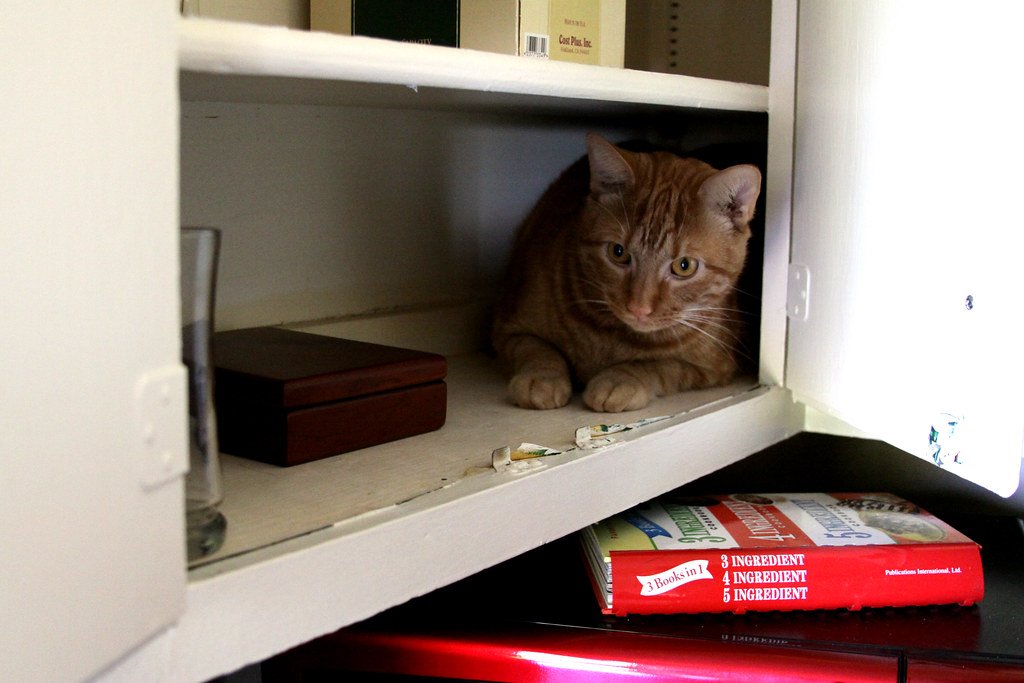
Hanging a microwave curtain cover inside a cabinet alcove creates a built-in pantry feel without the cost of millwork. You simply place a spring tension rod just behind the top face frame of the cabinet cubby. This recessed placement hides the rod entirely from view, so only the pleated fabric panel remains visible from the kitchen floor.
Because cabinets offer natural sidewalls, fitting a microwave curtain cover takes less than ten minutes. The parallel wooden walls provide firm purchase for spring-loaded tension rods, allowing you to position the hardware at the exact depth needed to avoid front door handles and promote air movement.
Always verify clearances before fitting any appliance and microwave curtain cover into cabinetry. The cubby must have the clearances the manual requires. Follow the manual first; if it is unavailable, leave at least 3 inches of open space on the sides and top and 1 inch at the rear, keeping vents completely uncovered. If the cubby is too tight, choose a smaller microwave or a different spot. Ask a qualified professional before cutting into cabinetry, and never block the vents.
When selecting a cabinet alcove for your microwave curtain cover, check that the shelf material can handle the combined weight of the appliance, glass turntable, and heavy ceramic bakeware. Solid wood, 3/4-inch plywood, or reinforced laminate shelves offer durable support. Avoid placing microwaves on thin, unsupported MDF shelves that might sag under prolonged weight and vibration.
Choosing the Right Fabric for a Microwave Curtain Cover
The fabric you choose for a microwave curtain cover directly influences safety, durability, and aesthetics. Kitchen environments experience rapid shifts in humidity, ambient temperature, and airborne grease particles from nearby cooking surfaces. Selecting the wrong textile can result in melted fibers or persistent kitchen odors.
Natural fibers make the ideal material for an everyday microwave curtain cover. Woven cotton canvas, cotton duck, medium-weight linen, and linen-cotton blends breathe freely and hold crisp folds without clinging. Cotton and linen do not melt like synthetics, but they can still burn, so keep them away from vents and heat. Consider a flame-retardant-treated or pre-washed fabric if you are concerned.
Avoid lightweight synthetic fabrics such as 100% polyester, nylon, sheer voile, or acrylic for a microwave curtain cover. Synthetic fabrics carry low melting thresholds, generate static electricity that attracts cooking dust, and trap greasy airborne cooking residues that prove difficult to wash out cleanly.
Simple, deeper-toned cotton fabrics are recommended for any microwave curtain cover to withstand kitchen grease splatters and simplify regular washing, according to Hunker. Charcoal gingham, warm ochre stripes, olive linen, and deep navy chambray camouflage everyday kitchen splashes far better than pure optic white canvas.
A washable microwave curtain cover sewn or hemmed from medium-weight cotton stands up to kitchen steam and frequent laundering. As a general guideline, a medium weight, roughly 5 to 7 ounces per square yard, is a common choice. This weight provides enough structure to hang straight without blowing around from room drafts while remaining supple enough to fold neatly when pushed aside.
Exploring practical practical DIY projects gives you the freedom to customize colors, textures, and patterns to reflect your personal aesthetic. Coordinate your microwave curtain cover with your kitchen dish towels, cafe window curtains, or breakfast nook bench cushions for a harmonious design story that makes the entire cooking space feel intentional.
If you prefer an organic, relaxed look, a washed Belgian linen microwave curtain cover brings rustic character and gentle texture to cottage or Scandinavian kitchen decors. Linen drapes beautifully, softens with every wash, and dries quickly in humid kitchen conditions, making it an outstanding practical investment for long-term home enjoyment.
Step-by-Step Guide: Making a No-Sew Microwave Curtain Cover
Creating a no-sew microwave curtain cover requires minimal supplies and zero crafting experience. You do not need a sewing machine, serger, or needle and thread to craft crisp, professional-looking hems. High-strength fusible bonding tape combined with an ordinary steam iron produces durable, clean seams in minutes. The project comes down to three numbered steps: measuring, cutting and hemming, and hanging.
Gather the following materials before beginning your project. Expect to spend roughly $15 to $45 total if purchasing all items new at US retail home craft stores:
- Fabric panel: 1/2 to 1 yard of pre-washed 100% cotton or linen fabric for a 1.5x fullness microwave curtain cover panel, or up to 1.5 to 2 yards if creating a lush 2.0x fullness gathering ($5 – $14).
- Curtain hardware: Spring tension rod, magnetic rod, or adhesive dowel kit for your microwave curtain cover ($6 – $14).
- Clip-on curtain rings: Pack of 10 to 14 small metal drapery rings with alligator clips ($5 – $8). Rings are spaced 3 to 4 inches apart, so a 36-inch panel needs about 10 to 12 rings.
- Fusible hem tape: 3/4-inch regular or heavy-duty iron-on bonding tape ($3 – $6).
- Tools: Measuring tape, sharp fabric scissors, steam iron, and ironing board (household items).
Step 1: Measuring for Width, Drop, and Fullness
To calculate fabric yardage for your microwave curtain cover, measure the opening height and width carefully. Start by measuring the interior width of your cabinet cubby or countertop opening. To achieve attractive fullness rather than a flat sheet, multiply your width measurement by 1.5 for subtle cafe waves, or by 2.0 for lush, traditional gathers. For a worked example: a 24-inch opening × 1.5 fullness = 36-inch finished width.
Next, measure the vertical drop length for the microwave curtain cover. Measure from the bottom of the rod to the counter. Subtract the ring drop (about 1 inch for clip rings) and 0.5 inch for the hover gap, so subtract about 1.5 inches. Add 1 inch for the hem allowance at the top and bottom.
Positioning curtain hardware with sufficient clearance from the microwave body prevents the microwave curtain cover fabric from getting trapped in the door mechanism, according to Hunker. Set the rod so the fabric stays clear of the casing and vents: follow the manual first, and if it is unavailable, keep at least 3 inches of open space on the sides and top and make sure the fabric never touches the microwave. The hem must clear the door swing and handle by at least 1 inch so opening the door never snags the textile.
Step 2: Cutting Fabric and Creating Crisp No-Sew Hems
Always pre-wash and dry your fabric before cutting to preshrink the cotton or linen fibers for your microwave curtain cover. Once dried, press the textile thoroughly with a hot steam iron to remove wrinkles. Add a 1-inch hem allowance to all four sides of your calculated finished panel dimensions before cutting the fabric with sharp shears.
Place the fabric face down on your ironing board to hem the microwave curtain cover. Fold the left side edge inward by 0.5 inch and press with the iron. Fold it over another 0.5 inch to encase the raw edge, creating a double-fold hem. Insert a strip of fusible hem tape inside the fold. Test the iron heat on a scrap, and follow the tape package directions. Wash on cool or gentle to keep the bond intact over time.
Press the folded seam with a hot steam iron for 10 to 15 seconds without sliding the iron. The heat and steam melt the adhesive web, permanently bonding the fabric layers together. Repeat this double-fold bonding process along the right side, the bottom edge, and finally the top edge of your microwave curtain cover.
Step 3: Attaching Clip Rings and Hanging
Clipping rings onto your microwave curtain cover ensures fluid gliding across the support rod. Lay your finished hemmed panel flat and attach a clip ring to each top outer corner. Distribute the remaining clip rings evenly across the top edge, spacing them roughly 3 to 4 inches apart (a 36-inch panel takes 10 to 12 rings).
Slide the rings onto your tension or magnetic rod and mount the hardware inside your cabinet alcove. Once mounted, test your microwave curtain cover to verify that it clears the door swing cleanly. Slide the panel left and right to ensure smooth motion and confirm that the bottom hem hovers neatly above the counter surface without dragging.
How to Hide Microwave Cord and Manage Cable Clutter Behind a Microwave Curtain Cover
Pairing cord concealment with your microwave curtain cover creates a completely seamless look. Microwave power cords are notoriously stiff, thick, and black, making them an eyesore when draped haphazardly across light kitchen backsplashes or dangling from open cabinet openings.
A microwave curtain cover hides the body of the appliance, but trailing black cords can spoil the effect if left unmanaged. Excess cable slack pooling on the kitchen counter also poses a hygiene risk, collecting grease, breadcrumbs, and moisture around electrical connections.
Route power cables discreetly behind the microwave curtain cover to keep counter surfaces tidy. Bundle excess cord length into neat figure-eight coils using reusable hook-and-loop cable ties. Never pinch or kink the heavy insulated wire, as this can damage internal conductors.
Use self-adhesive silicone cable clips or paintable plastic wire channels adhered to the back wall or under the cabinet baseboard behind your microwave curtain cover. Aligning the cord tightly against the corner seam of your backsplash keeps it invisible from standard standing viewing angles while keeping the plug firmly seated in the GFCI outlet.
If your cord must reach an outlet located several feet away from the microwave curtain cover, choose an enclosed surface raceway painted to match your backsplash tile or wall color. This clean channel shields the heavy cable from grease splatters and cleaning products while maintaining an uncluttered, modern appearance.
Real-Life Example: Transforming a Cramped Apartment Appliance Nook
Here is an illustrative example (not a real case). Picture Sarah, an apartment resident with limited kitchen storage who needed a clean way to disguise a countertop microwave sitting inside an open cabinet cubby with a microwave curtain cover. Because her rental agreement prohibited structural alterations, she required an adaptable, reversible design solution.
To build her microwave curtain cover, she selected a slim spring tension rod fitted with clear silicone ends. She checked the cubby dimensions carefully, ensuring the space provided at least 3 inches of open clearance along the top and sides and 1 inch at the rear, keeping all exhaust vents unobstructed. She chose a charcoal gingham linen-cotton blend that coordinated with her kitchen runner and hand towels. Using iron-on hem tape, she crafted a simple panel with a 1.5-times fullness ratio, hanging it with brass clip rings.
By adding a custom microwave curtain cover, the utilitarian black and chrome appliance vanished behind gentle fabric folds. Whenever Sarah prepares dinner, she always opens the microwave curtain cover fully and clips it back before running the microwave, so no fabric hangs in front of the door or vents while cooking. The project cost about $26 in this example, required zero power tools, and preserved her security deposit while giving her kitchen a cohesive, intentional look.
Common Mistakes to Avoid When You Hide a Microwave with a Microwave Curtain Cover
The most common mistake when installing a microwave curtain cover is ignoring side ventilation louvers. Placing fabric panels directly against the exterior intake or exhaust vents chokes the cooling fan, causing the appliance to overheat during routine use. Fix: Leave at least 3 inches of clearance on the sides and top, ensure vents remain completely uncovered, and clip the microwave curtain cover back whenever running the unit.
Another frequent issue is hanging a microwave curtain cover too close to the front door latch. If the fabric hangs flush against the door seam, opening or closing the appliance can drag the textile into the latch mechanism. It can also snag or damage the fabric and interfere with closing the door fully. Fix: Move the rod forward so the microwave curtain cover clears the door swing and handle by at least 1 inch, or use a clip-back tieback to hold the textile out of the path of the door.
Selecting synthetic materials for a microwave curtain cover can lead to heat damage over time. Polyester and nylon blends warp, shrink, and scorch when exposed to repeated warm exhaust drafts. Fix: Stick strictly to heat-resilient natural fibers like medium-weight cotton duck or pure linen, and keep all textiles completely away from active exhaust vents.
Heat-induced adhesive failure poses another hazard when using stick-on mounting hooks for a microwave curtain cover. If you mount adhesive strips directly onto the warm metal casing of the microwave rather than adjacent cool wall tiles, the radiant heat softens the acrylic adhesive, causing the rod to fall unexpectedly. Fix: Ensure adhesive hooks are mounted at least several inches from any exhaust vent, adhere them only to cool cabinet or tile surfaces, and verify they are rated for the microwave curtain cover rod weight.
Finally, avoid letting the bottom hem of your microwave curtain cover drag across kitchen surfaces. A dragging curtain edge absorbs spilled liquids, sauce splatters, and countertop cleaning sprays, resulting in unsightly stains and frequent wash cycles. Fix: Measure carefully to maintain a clean half-inch hover gap above the counter surface for your microwave curtain cover.
Care, Cleaning, and Long-Term Maintenance for Your Microwave Curtain Cover
Keeping your microwave curtain cover fresh requires periodic washing and dusting. Kitchen textiles naturally absorb airborne cooking oils and ambient aromas over months of food preparation, making routine laundering an important part of home maintenance.
A quick refresh keeps your microwave curtain cover looking crisp alongside everyday kitchen use. Every week or two, run a handheld lint roller across the front pleats to collect loose dust. When deep cleaning, unclip the panel from the rings and machine wash on a gentle cycle in cool water with mild detergent, and follow the hem tape package directions, to protect the fusible bond.
Line dry your microwave curtain cover panel or tumble dry on low heat to prevent excessive shrinkage. While the fabric remains slightly damp, press it with a steam iron to restore crisp edges and eliminate wrinkles before reattaching the clip rings. Check the microwave curtain cover tension rod silicone pads periodically to ensure they remain clean and securely seated.
If you notice grease marks on your microwave curtain cover from nearby stovetop cooking, spot-treat the area promptly using a drop of gentle dish soap and lukewarm water before laundering. Taking prompt action prevents oils from setting permanently into the natural cotton or linen fibers of your microwave curtain cover.
Frequently Asked Questions
How to hide microwave above stove locations safely?
Hiding a microwave installed above a range requires extreme caution due to rising cooking heat, steam, and airborne grease. Installing a fabric microwave curtain cover or enclosed cabinet door is unsafe directly over an active cooktop because fabrics present an immediate fire hazard. For over-the-range units, avoiding a flammable microwave curtain cover is essential, and the safest way to disguise the appliance is installing custom cabinetry with integrated front fluting or an architectural vent hood enclosure that preserves required clearances above the burners.
Can you remove microwave feet to gain vertical space?
Removing microwave feet to fit beneath a shelf or microwave curtain cover is strongly discouraged by appliance manufacturers. Microwave feet create an essential clearance space underneath the chassis that allows intake air to circulate through internal electronics and the magnetron tube. If you remove the feet to fit an appliance into a tight cubby or under a low shelf, you risk overheating the unit, triggering automatic thermal shutdowns, and this may void your warranty, check your manual.
Can you remove microwave door glass to alter its appearance?
Do not modify or open the door. It is designed to contain microwave energy, and tampering can be unsafe. Instead of altering hardware, hanging an exterior microwave curtain cover is a much safer styling method. Microwave doors contain a specialized perforated metal screen called a Faraday shield sandwiched between glass layers to contain high-frequency electromagnetic radiation within the cooking cavity. Altering the glass or frame can lead to hazardous energy leakage and permanent damage to your appliance.
What is a waveguide cover in a microwave?
A waveguide cover is a small, heat-resistant mica or plastic sheet inside the microwave cavity, distinct from an external decorative microwave curtain cover, usually mounted on the right interior wall or ceiling. It covers the opening where microwave energy enters from the magnetron. Its primary job is preventing grease, moisture, and food splatters from reaching sensitive electrical components. Do not operate the microwave if the cover is damaged. Have it serviced by a qualified technician or follow the manufacturer’s replacement instructions.
How to hide microwave cord and cable clutter neatly?
You can hide microwave cords behind your microwave curtain cover using adhesive cable channels, low-profile clips, or paintable wire raceways along the rear wall or cabinet interior. Bundling excess cord length with reusable hook-and-loop straps keeps slack off the counter behind the microwave curtain cover. If the cubby is too tight, choose a smaller microwave or a different spot. Ask a qualified professional before cutting into cabinetry, and never block the vents.
Sources and Further Reading
When planning a microwave curtain cover, adhering to verified safety guidelines ensures beautiful results without compromising appliance longevity. Explore the original design inspiration at Hunker’s creative appliance concealing feature, and consult manufacturer instructions and cooking fire safety standards from the National Fire Protection Association for comprehensive home safety advice.