
Decorating on a budget doesn’t have to mean a home that looks like it was decorated on a budget. Most of what makes a space read as “cheap” has nothing to do with how much was spent and everything to do with a handful of avoidable mistakes.
Fix these eight and a budget makeover starts looking a lot more expensive than it actually was.

1. Skipping Curtains Entirely
Bare windows are one of the fastest ways to make a room feel unfinished, even if everything else is decorated well. Simple, floor-length panels in a solid color cost little and instantly make a space feel complete.
2. Buying Furniture in the Wrong Size
A sofa too small for its wall, or a rug too small for the seating area, reads as an afterthought rather than a plan. Measuring the space before buying anything prevents this single biggest budget-decor mistake.
3. Mixing Too Many Finishes
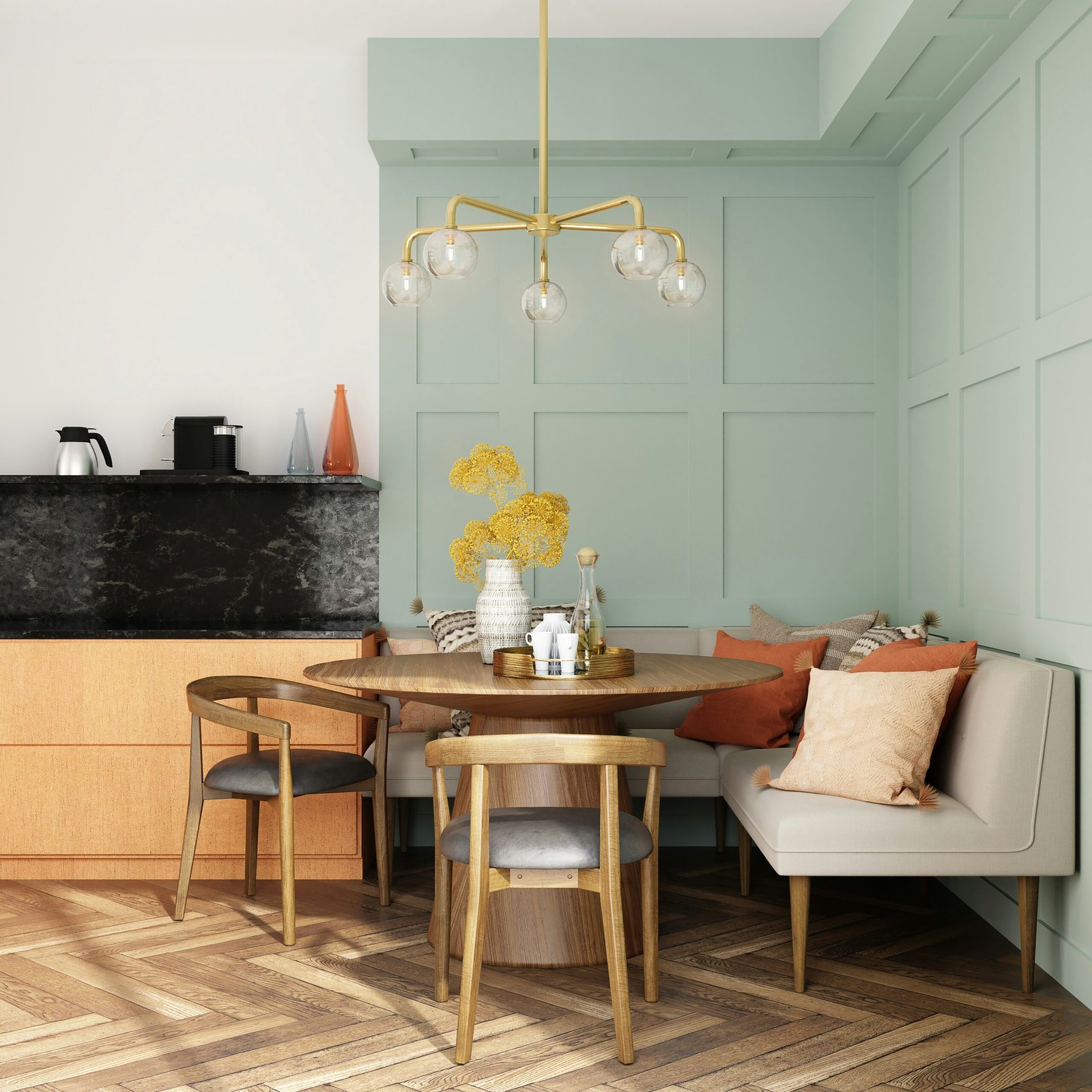
Brass, chrome, black, and wood finishes all fighting for attention in one room looks chaotic rather than eclectic. Picking one or two metal finishes and repeating them keeps a budget room feeling pulled together.
4. Leaving Walls Completely Bare
Empty walls make a room feel unfinished no matter how nice the furniture is. Even budget-friendly options like framed prints, a gallery wall of photos, or a large piece of fabric on a tension rod fill the space affordably.
5. Overlooking Lighting
Relying on one harsh overhead light makes any room, expensive or not, feel flat and uninviting. Adding a floor lamp and a table lamp for layered light costs little and changes the entire mood of a space.
6. Forgetting to Edit Clutter
A room crowded with too many small objects looks cheap regardless of what those objects cost. Clearing surfaces down to a few intentional pieces makes everything left behind look more considered.
7. Choosing Trend Over Timeless
Chasing every micro-trend on a tight budget means replacing decor constantly, which adds up fast. Neutral, classic pieces stretch further and never look dated the way trend-driven purchases do.
8. Ignoring Scale in Accessories
A handful of tiny accessories scattered around a large room disappears visually and looks like clutter rather than styling. A few larger, well-chosen pieces do more work than many small ones.
The Bottom Line on Decorating on a Budget
A tight budget isn’t the reason a room looks cheap — these eight habits are. Fixing curtains, scale, lighting, and clutter costs little to nothing and makes a bigger visual difference than most big-ticket purchases would.
Decorating on a budget works best as an editing exercise, not a shopping list. Most rooms already have everything needed to look pulled together; the curtains just need raising, the lighting needs a second lamp, and the clutter needs a few minutes of sorting. None of that requires a bigger budget, only a different set of habits, and most of it can be done in a single free afternoon without a single trip to the store.
Decorating on a Budget: A Quick Checklist
Before buying anything else, run through this short list: are the curtains hung close to the ceiling, is the furniture sized correctly for the room, are metal finishes limited to one or two, is there more than one light source, and have the walls and surfaces been edited down. Answering yes to all five usually matters more than any single purchase, and it costs nothing to check every item off before spending another dollar on new decor.
For more affordable styling ideas, browse our how-to and lifestyle guides, or see Consumer Reports Home & Garden for buying advice.