Decision paralysis decorating is real: staring at a hundred paint chips or scrolling endless Pinterest boards until every option starts to look the same. The overwhelm doesn’t come from having bad taste — it comes from having too many open decisions at once.
These six steps narrow the field fast, so a room actually gets decorated instead of just planned.
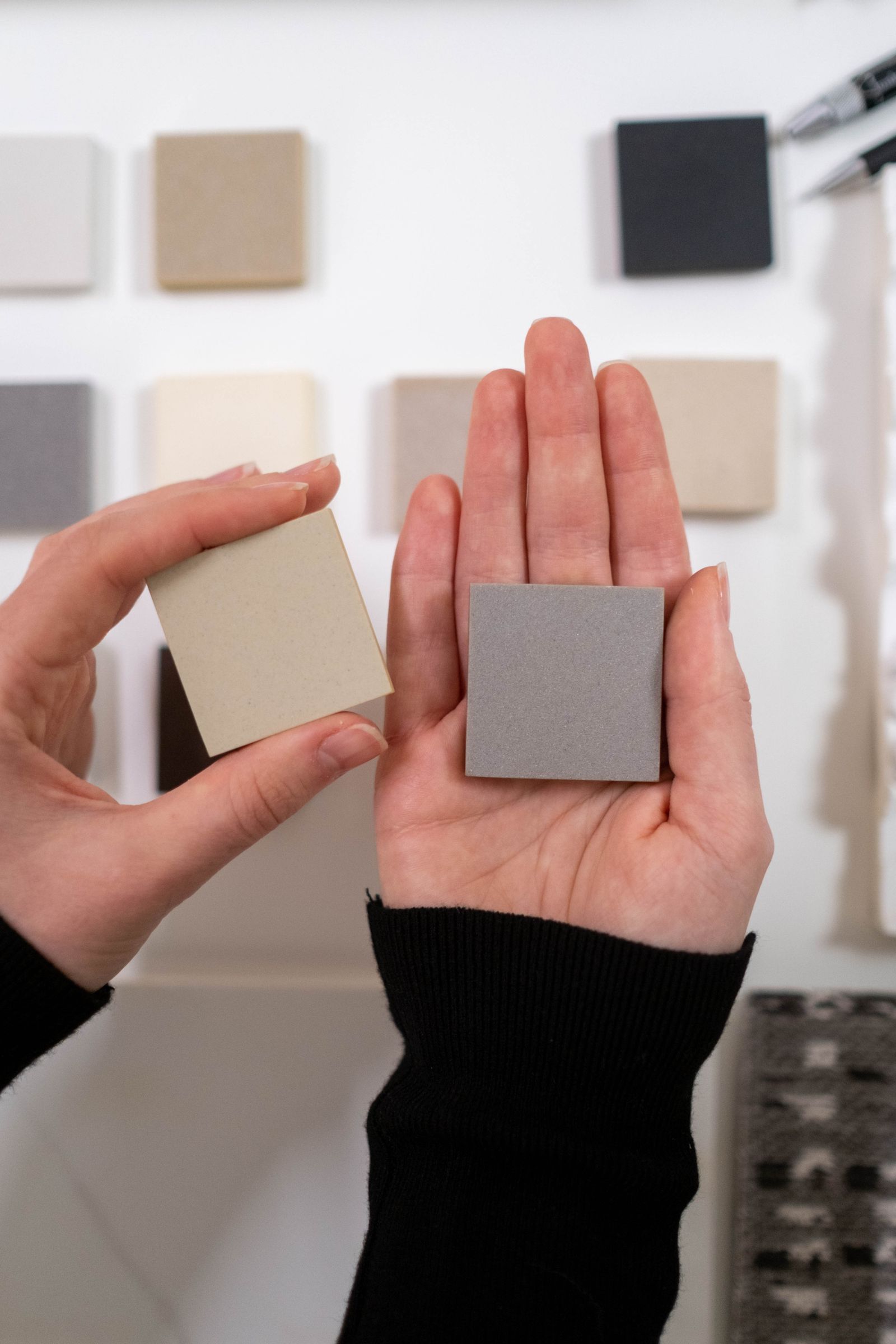
1. Pick Five Photos Before Anything Else
Save five images that capture the feeling wanted for the room, no more. Five photos are enough to spot a pattern in color and style; fifty photos just add more competing directions to untangle later.
2. Choose the Rug First
A rug touches the most surface area in a room and is usually the hardest piece to match after the fact. Picking it first turns every other decision — wall color, furniture, accessories — into a simpler “does this go with the rug” question. It also removes the single biggest source of decision paralysis decorating a room from scratch, since almost every other choice can now be checked against one fixed reference point instead of an open field of options.
3. Set a Three-Color Limit
Limiting a room to three main colors removes an entire category of decisions before they start. Every accessory or fabric choice either fits the three colors or it doesn’t, which cuts through most of the overthinking.
4. Give Every Decision a Deadline
An open-ended decision expands to fill all the time available for it. Setting a real deadline, even a self-imposed one like “by Sunday,” forces a choice instead of one more week of comparison. Writing the deadline down somewhere visible, like a shared calendar or a sticky note on the fridge, makes it far harder to quietly push back than a deadline that only exists in one person’s head.
5. Buy the Big Pieces Last
Deciding on small, low-stakes items first — a throw pillow, a candle — builds momentum without the pressure of an expensive mistake. By the time the sofa or bed frame comes up, the room’s direction is already clear.
6. Accept “Good Enough” Over “Perfect”
A choice that’s 80% right and actually made beats a “perfect” choice still stuck in research mode six months later. Rooms can always evolve; a room that never gets decorated can’t. A slightly imperfect sofa in the room this month teaches far more about what actually works than a perfect one still sitting in a browser tab a year from now, and it can always be swapped later once real living in the space reveals what matters.
Beating Decision Paralysis Decorating for Good
Decision paralysis shrinks the moment there are fewer open variables to weigh at once. Picking the rug first, capping colors at three, and setting real deadlines turn an overwhelming project into a series of small, easy calls.
Decision paralysis decorating rarely comes from a lack of taste. It comes from too many open decisions competing for attention at the same time, and the fix is almost always structural rather than aesthetic: fewer photos, fewer colors, and a real deadline attached to each choice. Once the number of live variables shrinks, the room usually finishes itself within a few weekends.
A Simple Decorating Decision Checklist
Before opening another tab of inspiration photos, check whether the rug is chosen, whether the color palette is capped at three tones, and whether each remaining decision has an actual deadline attached. If all three are true, decision paralysis decorating has already been solved, even if the room is not finished yet.
For more room-planning guidance, browse our how-to and interior design guides, or see the American Psychological Association for more on decision fatigue.