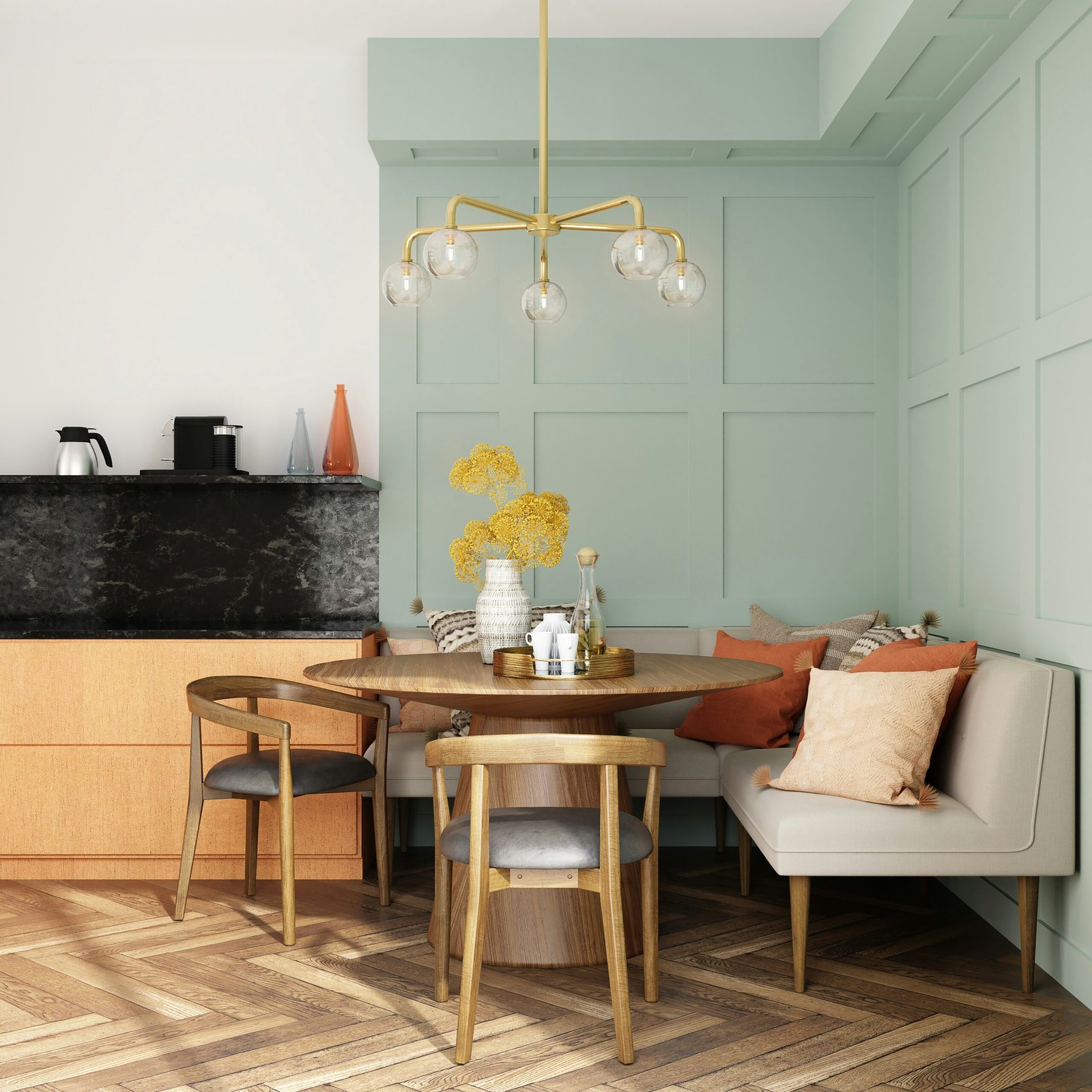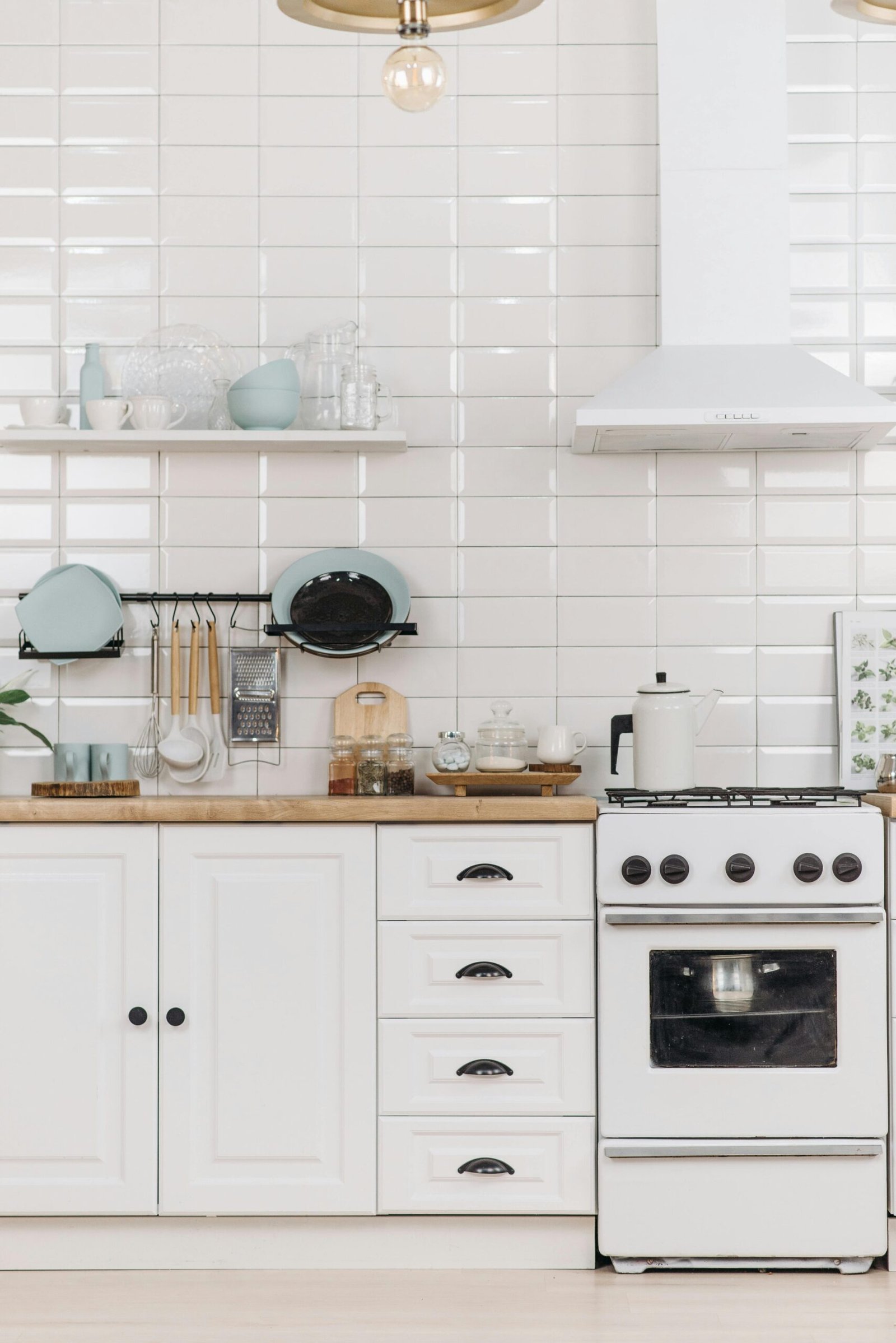
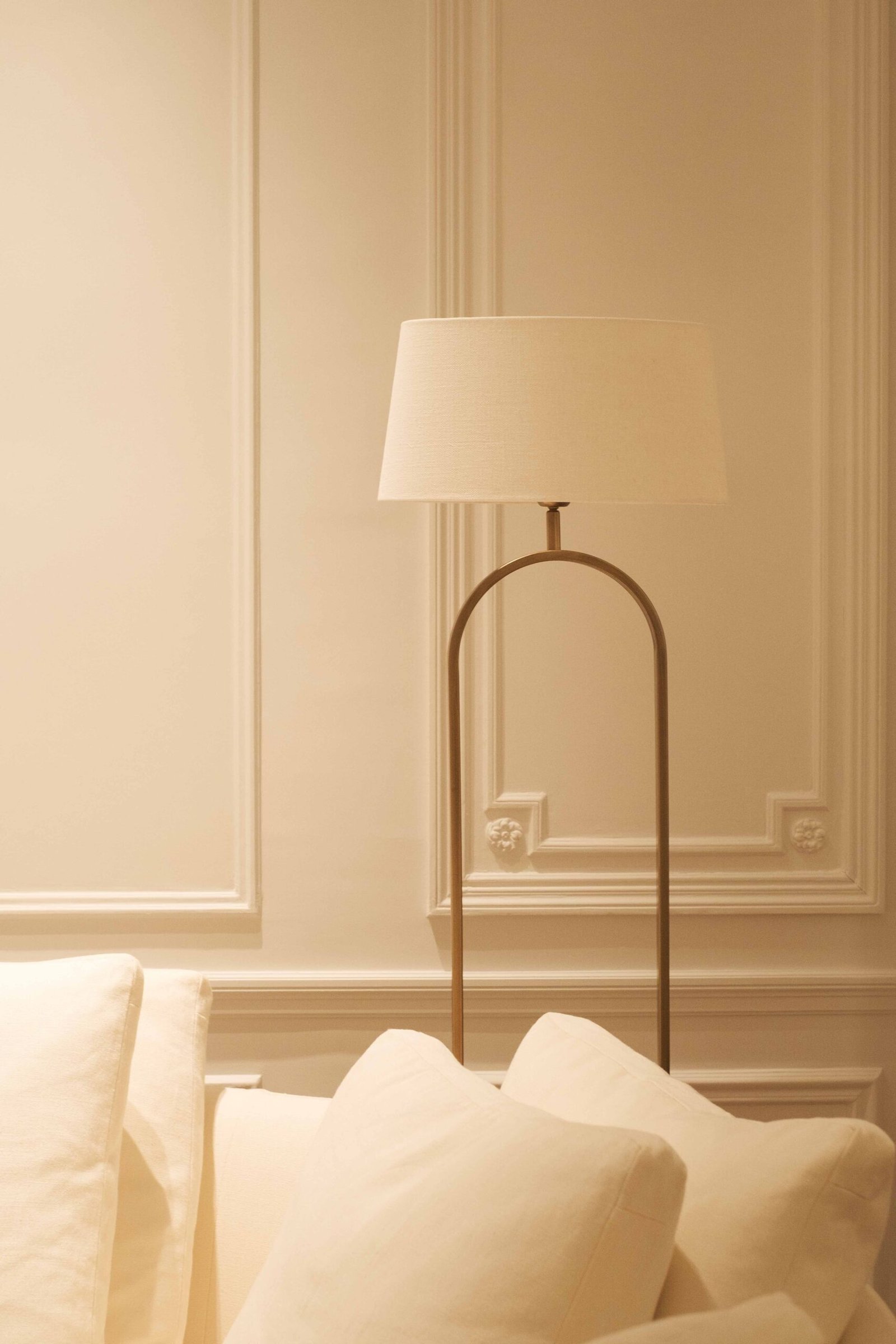
Layered lighting design is the difference between a room that feels flat and one that feels finished, yet lighting is often the last thing considered in a decorating project — usually just a single overhead fixture left over from move-in day and never touched again.
These six mistakes explain why so many well-decorated rooms still feel a little off, and how to fix each one, without hiring an electrician or rewiring a single outlet.
1. Relying on One Overhead Light
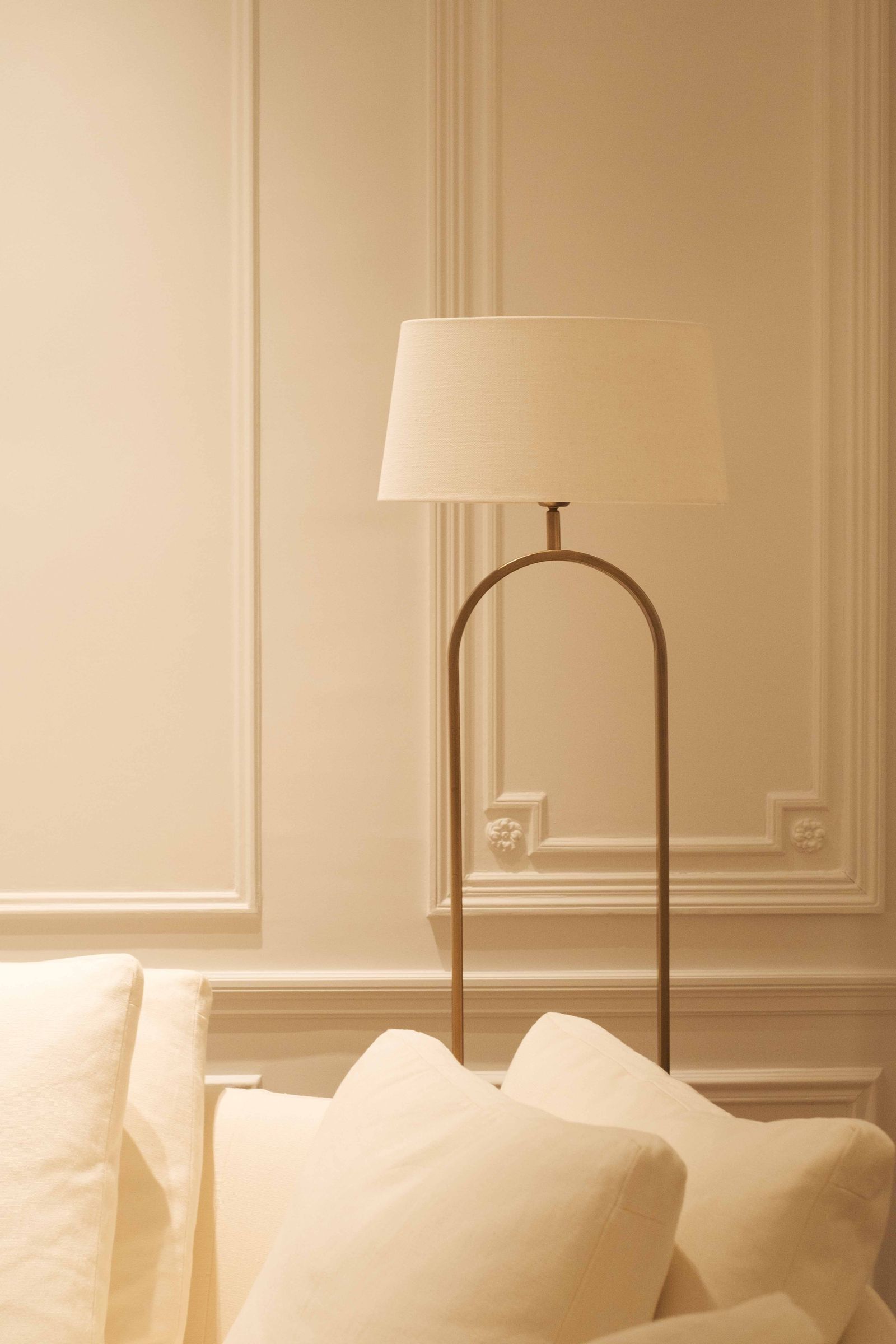
A single ceiling fixture creates flat, even light with harsh shadows and no depth. Adding at least one lamp at a lower level immediately makes a room feel warmer and more three-dimensional, and it is usually the cheapest single upgrade available to any room.
2. Skipping Task Lighting
Reading, working, or cooking under only ambient light strains the eyes and makes a space feel poorly planned. A dedicated task lamp near a reading chair or desk solves this cheaply, and it is one of the clearest signs of thoughtful layered lighting design done well.
3. Ignoring Accent Lighting
Artwork, shelves, and architectural details disappear at night without a small accent light drawing attention to them. Even one picture light or a small uplight changes how a room reads after dark, giving an otherwise flat evening room a sense of depth it never had before.
4. Choosing the Wrong Bulb Temperature
Cool, blue-toned bulbs in a room meant to feel cozy work against the goal. Warmer bulb temperatures in living spaces and bedrooms make the same fixtures feel far more inviting, often for the exact same price as the cooler bulb sitting right next to it on the shelf.
5. Placing Lamps Without a Plan
Lamps added as an afterthought, wherever there happens to be an outlet, rarely light the areas that actually need it. Planning lamp placement around where people actually sit and work makes the lighting functional, not just decorative, and it prevents the common problem of a beautiful lamp that nobody ever actually uses.
6. Forgetting Dimmers
Fixed-brightness lighting can’t adjust for daytime versus evening use. Dimmer switches, even added after the fact, let one lighting setup serve very different moods throughout the day, from bright and functional in the morning to soft and relaxed in the evening.
Getting Layered Lighting Design Right the First Time
Good layered lighting design rarely requires an electrician or a renovation. Most of the fixes above involve adding a lamp, changing a bulb, or installing a plug-in dimmer, all of which can be done in a single afternoon without touching any wiring or spending very much money at all.
The rooms that feel most professionally designed almost always have layered lighting design working quietly in the background — ambient light filling the space, task light where it is actually needed, and accent light drawing the eye toward something worth noticing, all working together instead of relying on one single fixture to do every job at once.
Starting Small With Layered Lighting
A single new lamp in the right spot often makes a bigger difference to how a room feels than an entire afternoon of rearranging furniture. Layered lighting design rewards small, cheap additions far more than most other parts of decorating do.
The Bottom Line
Layered lighting — ambient, task, and accent together — does more to make a room feel finished than most furniture or paint choices. A lamp, a dimmer, and a warmer bulb are often all it takes to fix a flat-feeling room.
For more lighting and design guidance, browse our interior design and living room guides, or see the U.S. Department of Energy for lighting efficiency tips.