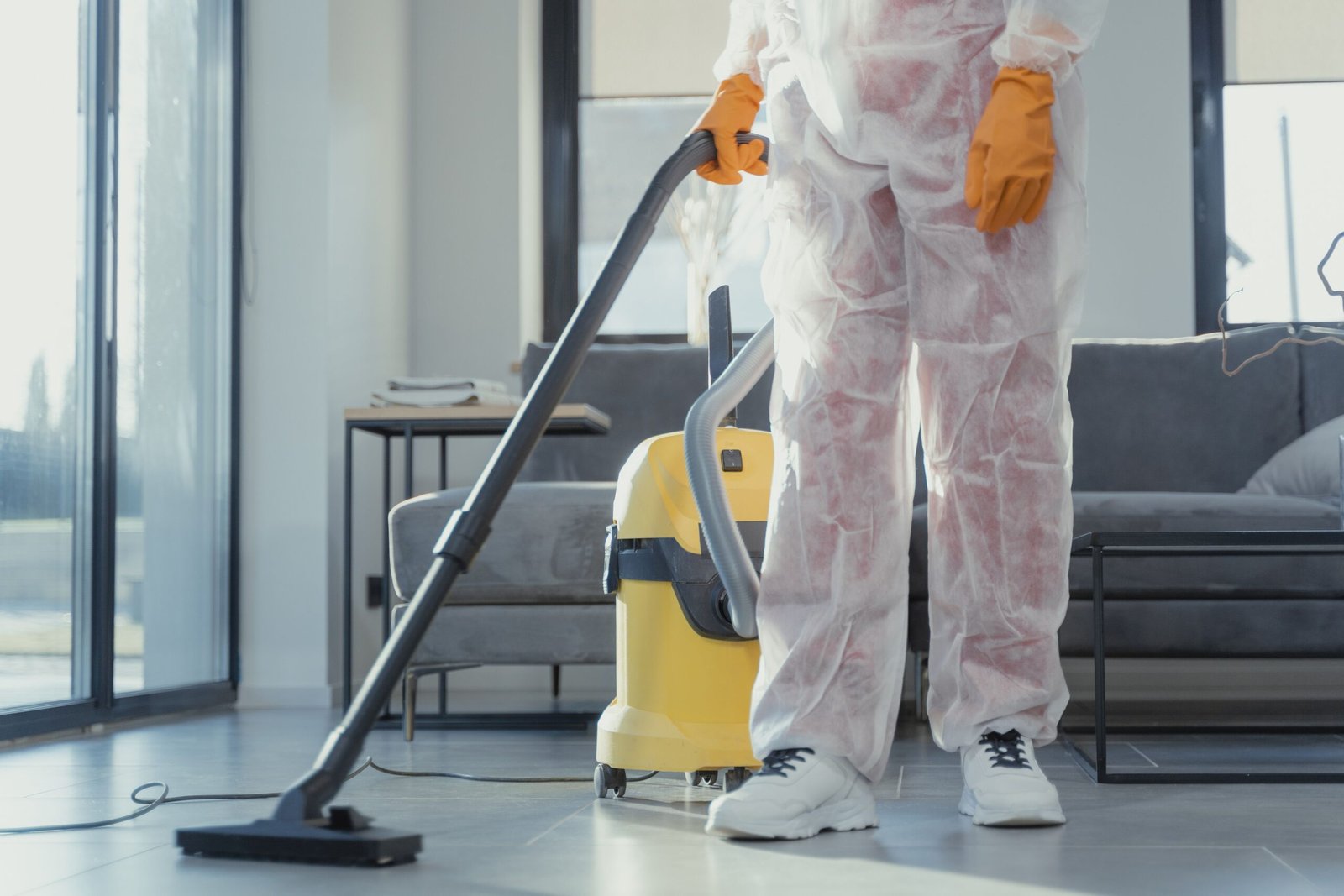
Professional deep cleaning goes well beyond a weekly wipe-down, and certain spots in a home genuinely need the right tool, not just more elbow grease. Professional cleaners keep a small kit of specialized gear on hand specifically for the areas that regular cleaning supplies cannot really reach on their own, no matter how much time gets spent scrubbing.
If you are planning a deep cleaning session, start by gathering the right gear for these eight things first, before the rest of the house gets any attention at all.
1. Grout Lines
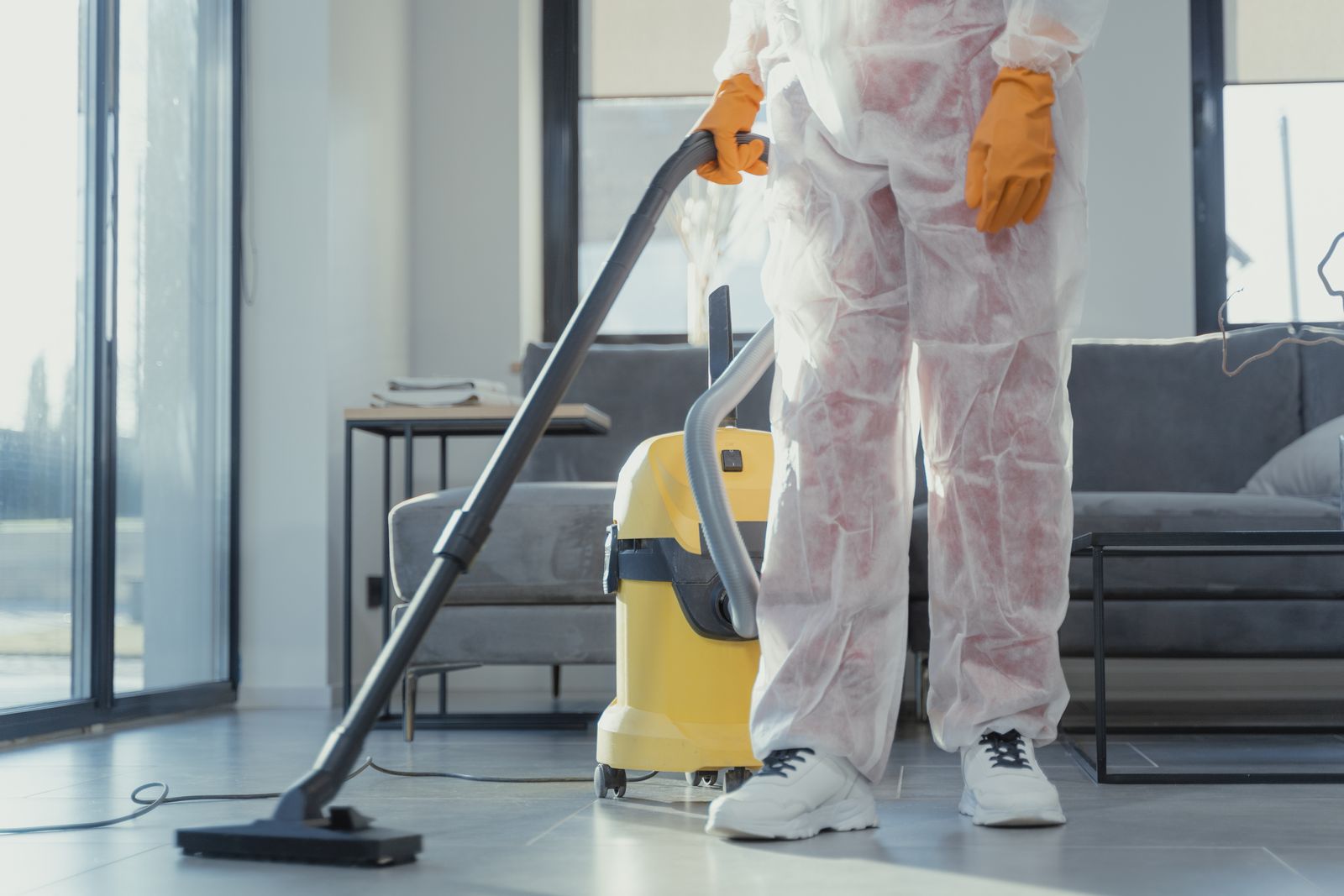
Standard sponges barely touch the grime packed into tile grout lines, since the texture needs actual scrubbing at an angle a flat sponge simply cannot reach on its own. Professional cleaners use a stiff grout brush or a steam cleaner attachment designed specifically for narrow, textured lines.
2. Dryer Vents
A dryer vent clogged with lint is both a fire hazard and an efficiency problem, and a regular vacuum hose usually cannot reach far enough inside the long duct. Cleaners use a flexible dryer vent brush kit made to snake through the full length of the vent, clearing lint that a hose alone would leave behind.
3. Window Blinds
Dust builds up along every slat of a blind, and wiping each one individually with a cloth takes far longer than it reasonably should for the result it gives. Professional cleaners use a specialized blind duster with multiple fingers that clean several slats in one pass.
4. Air Vents and Registers
Dust and debris collect inside air vent covers and the ductwork just behind them, an area a standard vacuum attachment usually cannot fully clean by itself. Cleaners use a vacuum crevice tool paired with a soft brush to reach inside the register and loosen buildup near the ductwork.
5. Upholstered Furniture
Fabric couches and chairs absorb dust, allergens, and odors deep into the cushioning in a way a regular vacuum nozzle cannot fully lift back out. Professional cleaners use an upholstery extractor or a fabric-safe steam attachment built specifically for soft, absorbent surfaces like these.
6. Ceiling Fans
Dust collects thickly on top of ceiling fan blades, and standing on a chair with a rag risks both a dusty mess and a fall. Cleaners use an extendable microfiber duster designed to wrap around the blade and catch dust without sending it raining down onto furniture below.
7. Baseboards
Dust and grime settle into the narrow angle where a baseboard meets the wall, a spot most standard cleaning cloths cannot get flush against easily. Professional cleaners use an angled baseboard brush or a vacuum attachment shaped specifically for that tight corner, running it along every wall in the room.
8. Light Fixtures
Overhead light fixtures collect dust and dead insects that are easy to ignore simply because they sit well out of everyday sight and reach. Cleaners use a stable step stool along with a slightly damp microfiber cloth designed not to scratch glass or metal finishes on the way up.
Getting Deep Cleaning Right the First Time
None of this specialized gear is expensive or hard to find, it just rarely gets purchased until someone actually needs it for one specific job around the house. Keeping a grout brush, a vent kit, and an extendable duster on hand is what turns an occasional deep cleaning session into one that actually reaches every single corner of the house, top to bottom.
For more cleaning routines and tool recommendations, browse our maintenance and cleaning and how-to guides, or see the EPA’s guidance on indoor air quality for more background on vents and ducts.