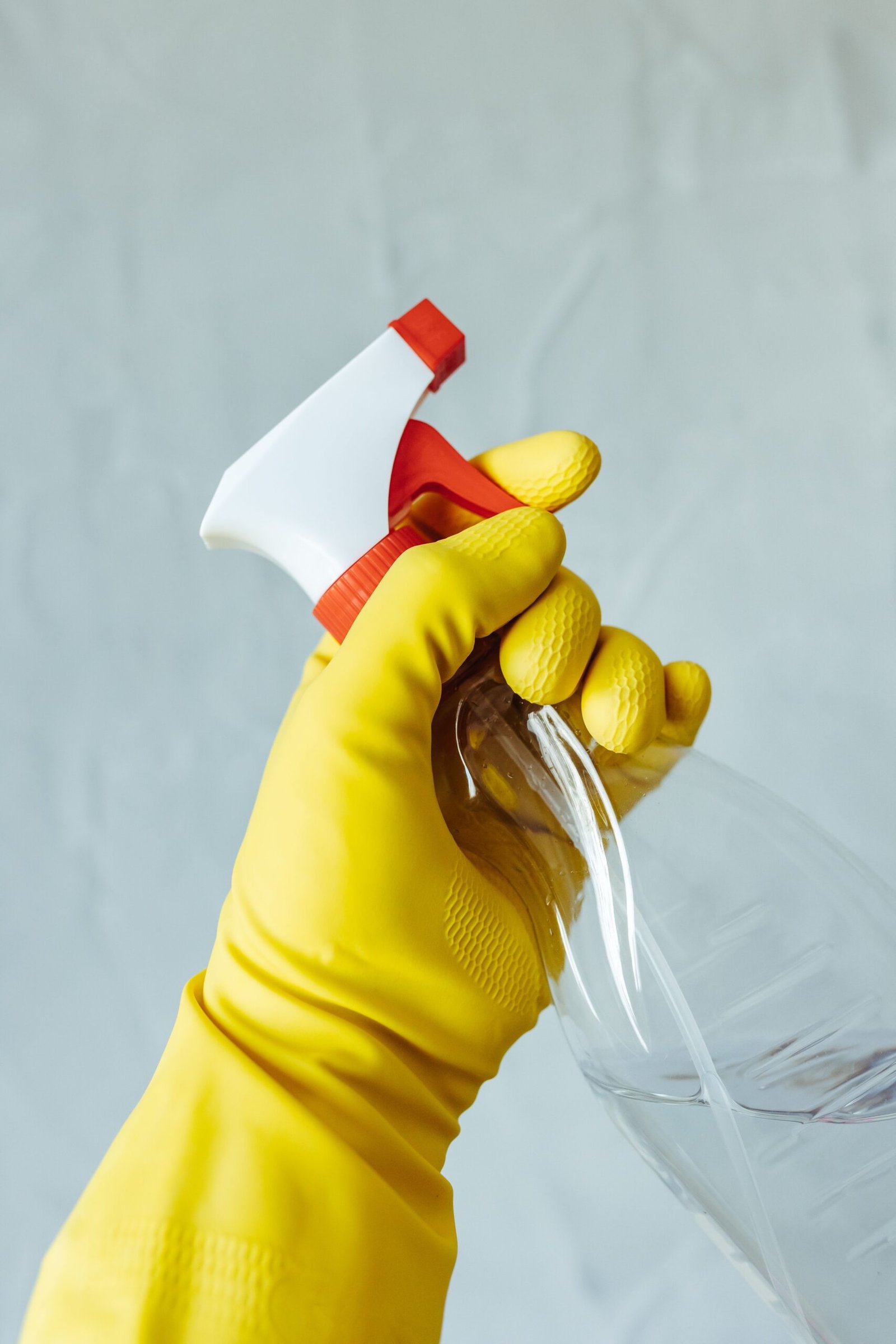
Watch a professional cleaner work through a house from room to room and one habit stands out immediately: the cleaning gloves rarely come off. It is not squeamishness. It is years of experience with exactly which surfaces and substances are worth protecting bare skin from, every single time, in every single home they clean.
If you want to clean more safely at home, start by reaching for a pair of sturdy cleaning gloves before touching these eight things, no matter how quick the task seems.
1. Toilet Bowls and Bathroom Fixtures
Bathroom fixtures harbor bacteria that regular hand washing does not always fully remove, especially around hinges, handles, and the underside of a toilet seat that rarely gets a second look. Professional cleaners wear gloves for the entire bathroom routine, not just the toilet itself.
2. Bleach and Other Harsh Chemicals
Bleach and other strong cleaning chemicals can irritate or burn skin with repeated contact, even in diluted form used for everyday cleaning around the house. Cleaners always wear gloves when handling bleach, ammonia-based products, or any concentrated cleaner straight from the bottle, even for a quick, five-minute job.
3. Trash Can Interiors
The inside of a trash can, especially a kitchen one, collects bacteria from spoiled food and leaking liquids that bare hands should never touch directly, no matter how quick the wipe-down is meant to be. Professional cleaners glove up before wiping down or disinfecting the inside of any trash can, even one that gets emptied regularly.
4. Oven Interiors and Burnt-On Grease
Oven cleaning products are often highly caustic, designed to break down baked-on grease, and that same strength makes them harsh on unprotected skin within minutes of contact. Cleaners wear thick gloves for the entire oven cleaning process, from spraying to scrubbing to wiping clean.
5. Drain Clogs and Hair
Clearing hair and grime from a shower or sink drain means handling a slippery, bacteria-laden mess that most people would honestly rather not touch directly at all. Professional cleaners keep a dedicated pair of gloves just for drain work, separate from other cleaning tasks.
6. Mold and Mildew in Grout
Scrubbing mold or mildew out of shower grout releases spores into the air and onto hands, and direct contact can trigger irritation in sensitive skin fairly quickly. Cleaners wear gloves, and often a mask, whenever tackling visible mold in a bathroom, basement, or laundry room.
7. Garbage Disposal Interiors
Reaching into a garbage disposal to clear a jam or scrub the splash guard means contact with food waste, bacteria, and occasionally sharp debris hiding near the blades. Professional cleaners never reach into a disposal bare-handed, gloves on and the power switch off every single time, without exception.
8. Pet Messes and Litter Boxes
Pet waste and litter box cleanup can carry bacteria and parasites that pose a real health risk with direct skin contact, especially for anyone who is pregnant. Cleaners keep a separate pair of gloves reserved only for pet-related cleanup, washing hands thoroughly afterward regardless of how careful they were.
Building the Right Cleaning Gloves Habit
None of this requires anything fancy, just a couple of pairs of sturdy cleaning gloves kept where they are easy to grab before starting any task around the house. Reaching for gloves before the toilet, the oven, or the trash can is a small habit that protects skin from the substances that professional cleaners handle every day, in every kind of home.
For more cleaning routines and safety tips, browse our maintenance and cleaning and how-to guides, or see the CDC’s guidance on cleaning and disinfecting for more safety background.