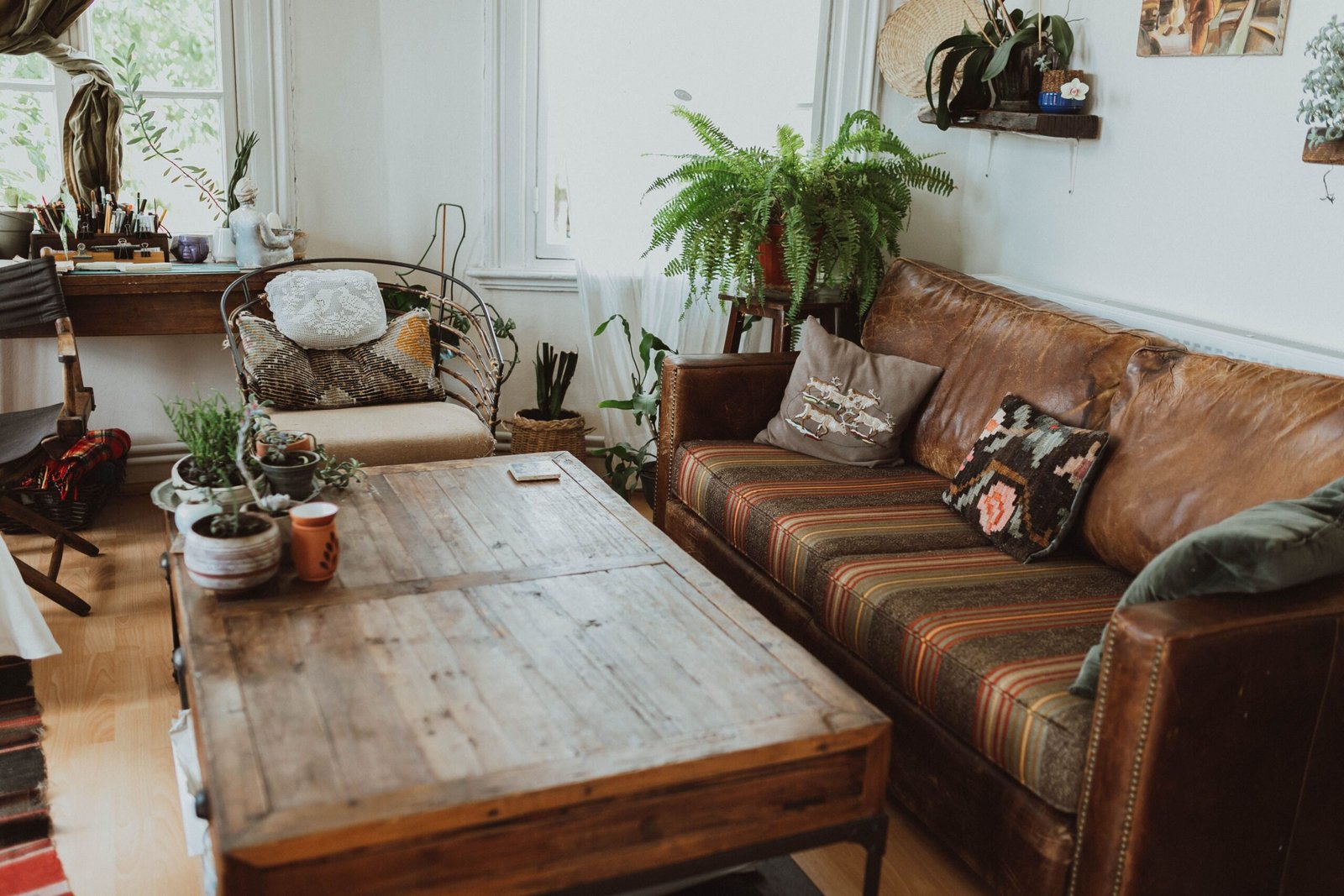
Learning to blend two decorating styles into one shared home is one of the most common design challenges couples run into — one person wants clean and minimal, the other wants layered and collected, and neither wants to just give in.
These seven tricks let couples blend two decorating styles so both tastes coexist, without the room looking like two unrelated apartments pushed together.
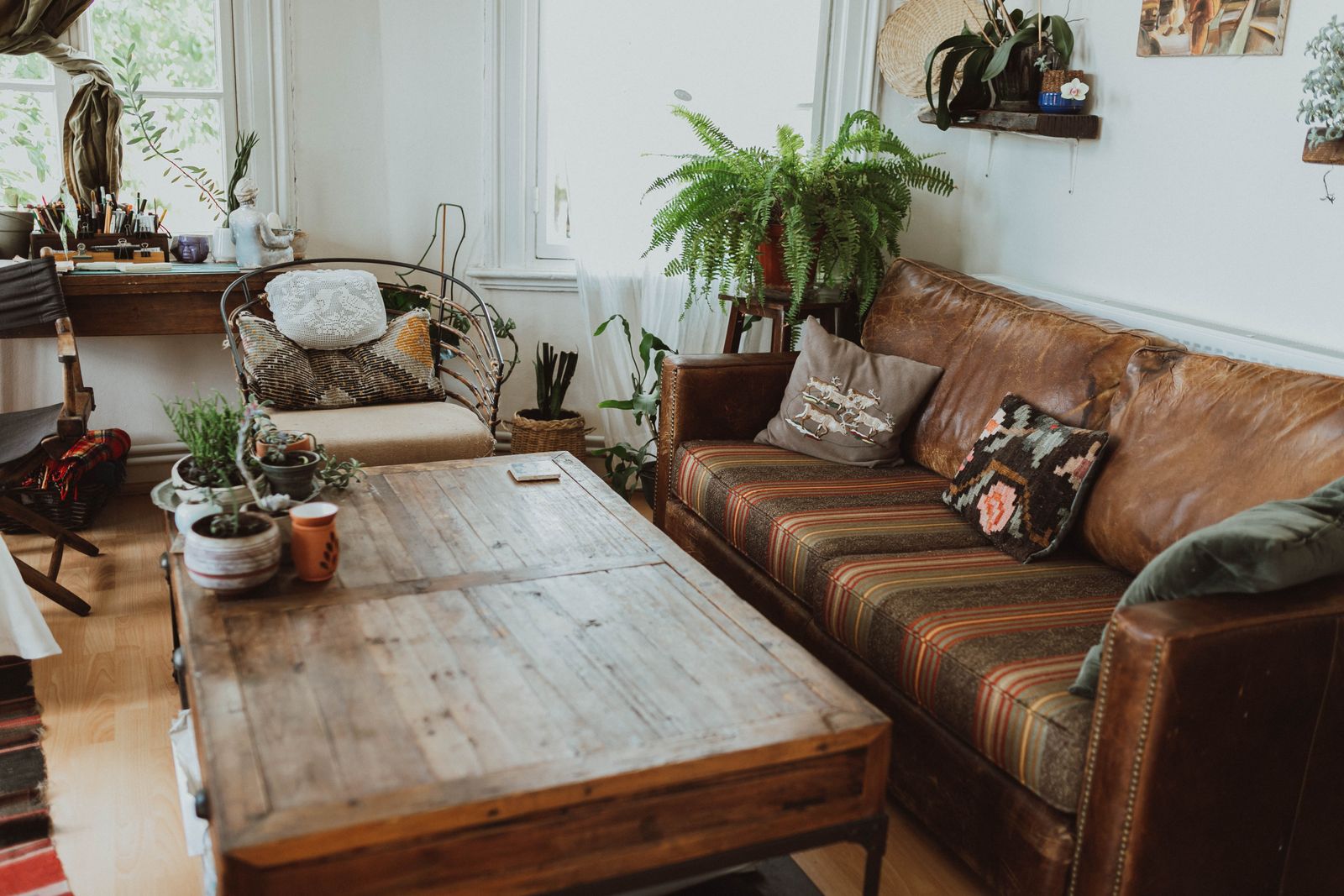
1. Agree on a Neutral Base First
Walls, flooring, and the largest furniture pieces work best in shared neutral tones both people can live with. This gives both styles a common foundation to build on instead of competing from the ground up, and it is usually the single most useful step in learning to blend two decorating styles successfully.
2. Let Accessories Carry Each Style
Pillows, art, and small objects are the cheapest, lowest-stakes place for each person’s individual taste to show up. A minimalist base with a few maximalist accessories reads as curated, not chaotic.
3. Give Each Person One Uncontested Zone
A reading chair, a display shelf, or a corner that’s fully one person’s aesthetic prevents every square foot of the house from becoming a negotiation. Full ownership of a small space is often more satisfying than partial ownership of the whole room.
4. Find the Overlap, Not the Compromise
Two different styles almost always share something — a love of natural materials, a preferred color family. Building around that overlap feels like addition, while forcing a 50/50 split of two full styles feels like subtraction from both.
5. Repeat One Material Throughout
Using the same wood tone, metal finish, or fabric texture across otherwise different pieces ties a blended room together visually, even when the individual items come from very different design worlds.
6. Rotate Instead of Merging Everything at Once
Not every piece from both collections needs to live in the room permanently. Rotating seasonal or sentimental items in and out keeps both people represented over time without permanently crowding the space.
7. Bring in a Third Opinion for Ties
When a specific piece becomes a genuine standoff, a neutral third party — a friend, or even a quick poll — can break the tie without either partner feeling like they lost to the other directly.
Why It Works to Blend Two Decorating Styles
Couples who successfully blend two decorating styles rarely start by trying to merge everything at once. They start with the biggest, most expensive, and hardest-to-change pieces — walls, flooring, the sofa — and agree on a neutral foundation there first. Everything smaller and easier to swap becomes the place where each person’s individual style actually shows up.
This approach works because it separates the decisions that are expensive to reverse from the ones that are cheap to change. Nobody has to fully compromise on the big investments, and nobody has to fully suppress their taste either, because the small stuff stays flexible and easy to rotate.
What to Avoid When Blending Two Styles
The biggest mistake couples make is treating every single decision as a 50/50 negotiation. Splitting every choice down the middle usually produces a room that reflects neither person’s taste particularly well. Trading full ownership of specific decisions — one person picks the rug, the other picks the art — tends to produce a more cohesive result than negotiating each item individually.
The Bottom Line
A shared home doesn’t need one style to win. A common neutral base, one uncontested zone each, and a repeated material throughout let two different tastes sit comfortably in the same rooms.
For more shared-space ideas, browse our interior design and living room guides, or see The American Society of Interior Designers for professional guidance.