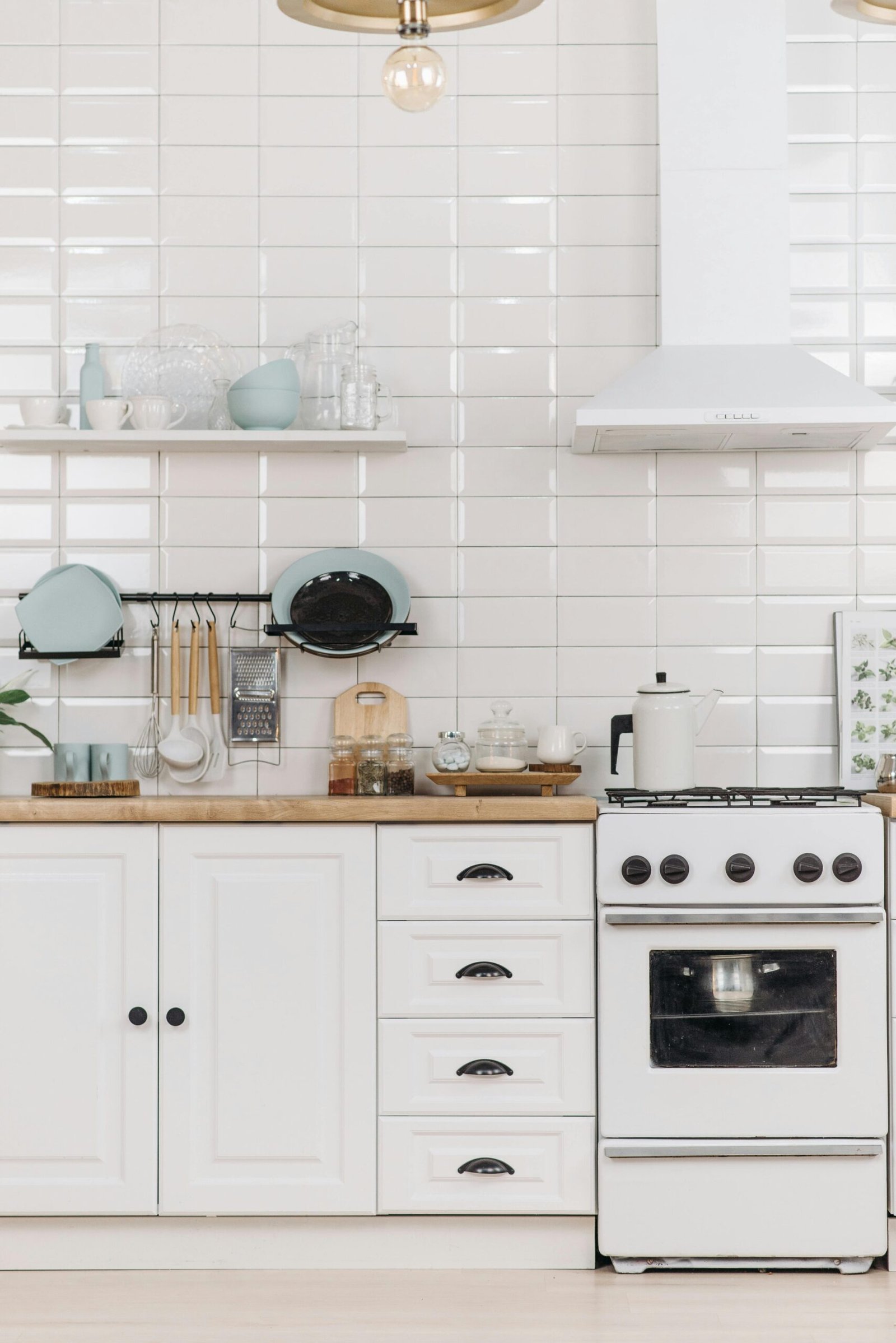
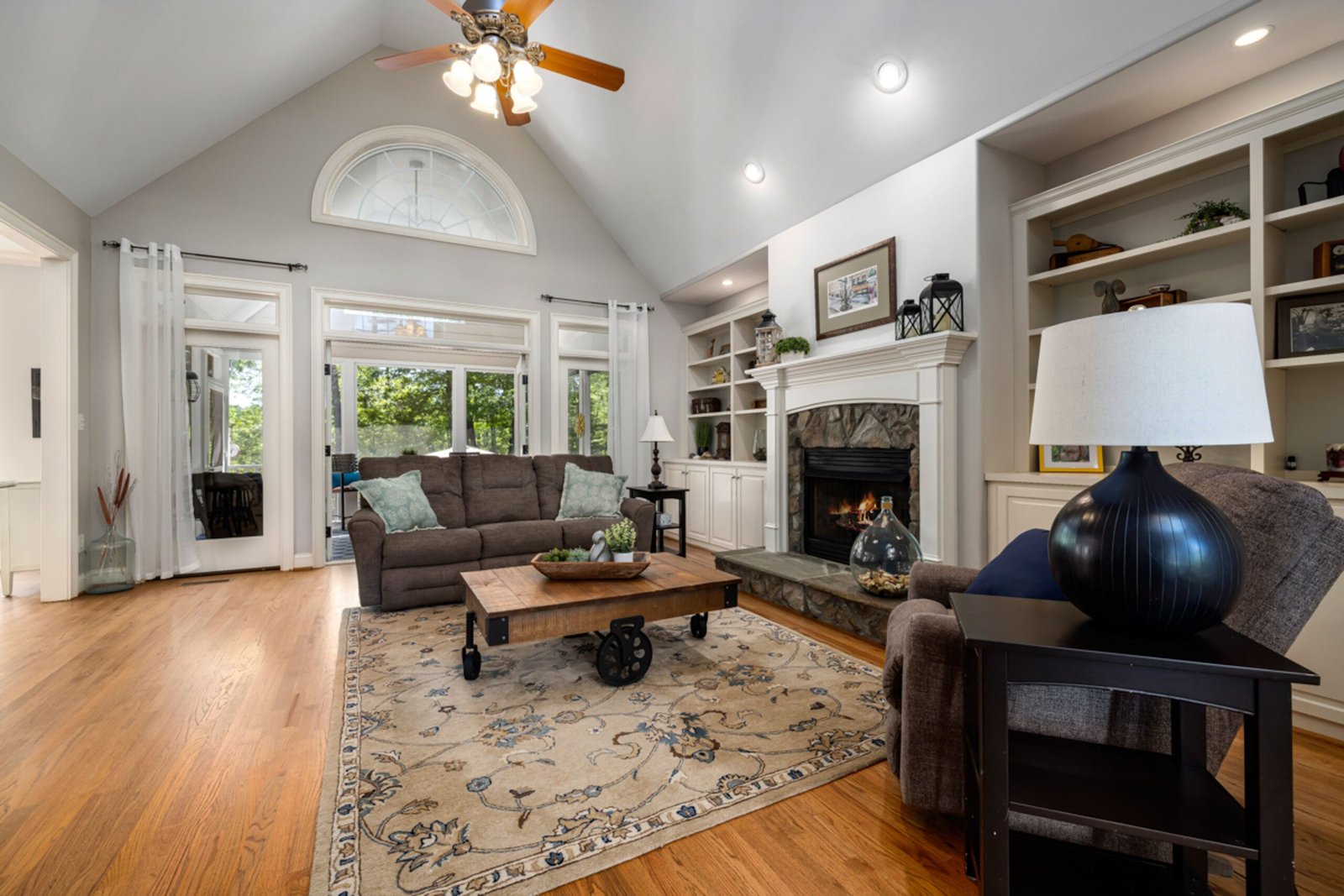
Furniture traffic flow is one of the most overlooked parts of a room’s layout — a space can look great in photos and still feel awkward to actually walk through every day, especially once real furniture and real habits replace the tidy version in a photo.
These six placement habits are the most common culprits, and each one is fixable by rearranging what’s already in the room, without buying a single new piece of furniture.
1. Blocking the Main Path Through the Room
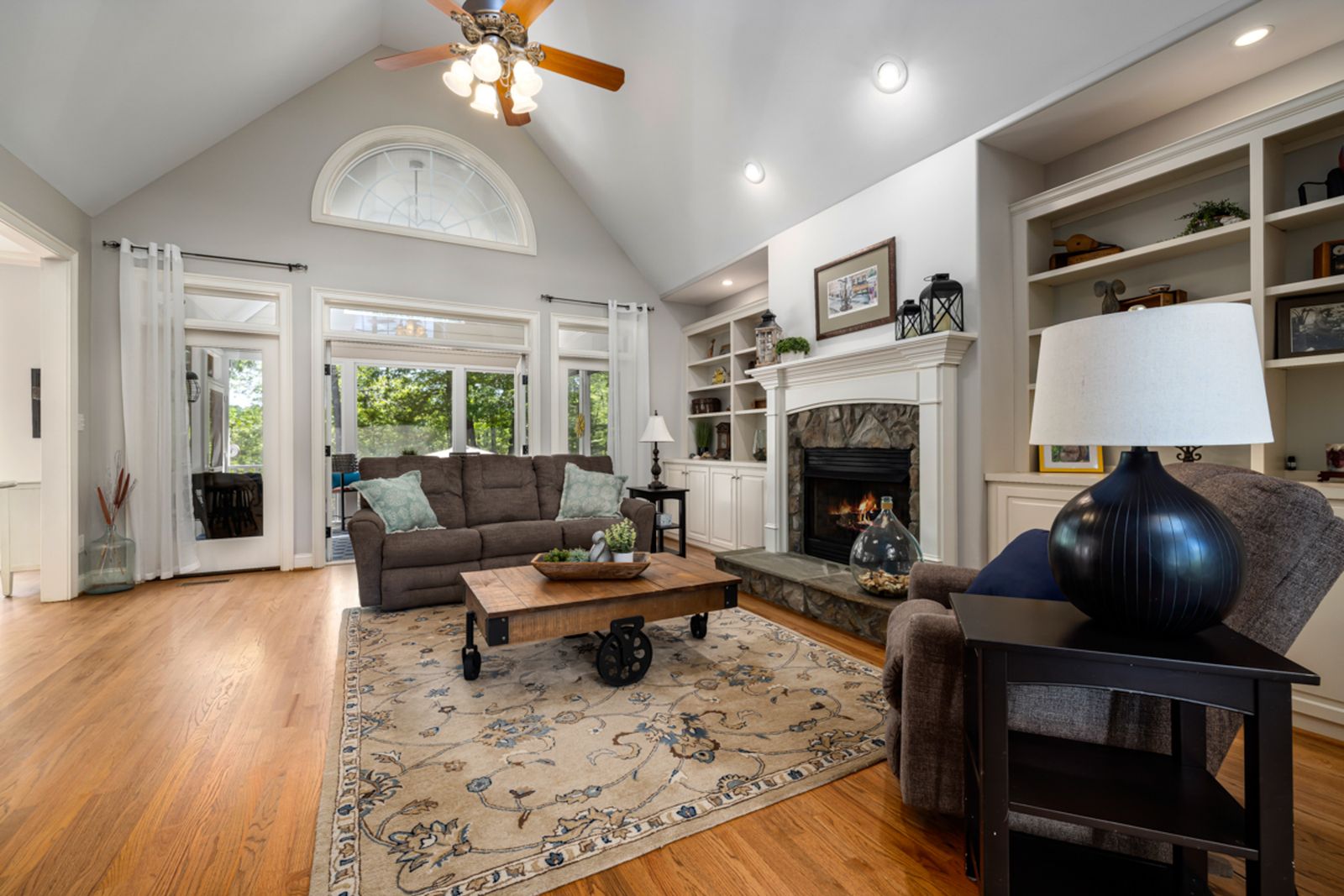
Furniture placed directly in the natural walking route between doorways forces people to weave around it daily. Mapping the main path first, then placing furniture around it, avoids this entirely and is the single most useful step for good furniture traffic flow in any room.
2. Leaving Less Than Two Feet to Walk
A gap that’s technically walkable but uncomfortably tight makes a room feel more cramped than it needs to. Aiming for at least two feet of clearance in main walkways keeps movement easy and prevents the awkward sideways shuffle that poor furniture traffic flow tends to create.
3. Angling Furniture Away From Conversation
Seating angled toward a wall or a window instead of toward other seats makes conversation awkward, even if the room looks fine on paper. Angling chairs slightly inward fixes this quickly and often solves two problems, flow and conversation, with the exact same small adjustment.
4. Placing a Rug Where It Catches Foot Traffic Edges
A rug edge sitting right in a main walking path becomes a tripping hazard over time. Sizing and placing the rug so its edges fall under furniture, not in open walkways, solves this and quietly improves furniture traffic flow at the same time.
5. Forgetting Doors and Drawers Need Room to Open
A chair or table placed too close to a cabinet or door blocks it from fully opening. Testing every door and drawer after rearranging catches this before it becomes a daily annoyance that nobody notices until it is too late to easily fix.
6. Centering Everything on the Room Instead of the Function
Placing furniture based on the room’s center rather than how people actually move through it often creates flow problems that symmetry alone can’t fix. Function should guide placement first, with visual balance treated as a secondary concern rather than the starting point.
Fixing Furniture Traffic Flow Without New Furniture
Good furniture traffic flow rarely requires buying anything new. Almost every fix above involves moving what is already in the room a few inches or a few feet, which makes it one of the cheapest layout improvements available to any home.
The easiest way to check furniture traffic flow is to physically walk the main routes through a room the way a guest would, paying attention to any spot where a turn or a squeeze becomes necessary, since a guest notices these snags far faster than someone who lives there every day.
A Simple Traffic Flow Test
Walk from each doorway to every seat in the room and note any place that requires stepping around furniture. Fixing furniture traffic flow issues found this way costs nothing beyond a few minutes of rearranging.
The Bottom Line
A room that looks good in a photo can still be frustrating to live in if the traffic flow wasn’t considered. Mapping the main walking path before placing furniture solves most flow problems without buying anything new, and it usually takes far less time than expected.
For more layout tips, browse our living room and furniture & decor guides, or see the American Society of Interior Designers for professional layout standards.