A room without a focal point can have great furniture and still feel directionless — the eye doesn’t know where to land, and neither does the furniture arrangement. Learning to create a focal point solves both problems at once.
These six designer tricks create a focal point in almost any room, with or without an obvious architectural feature to build around.
1. Use What’s Already Architectural
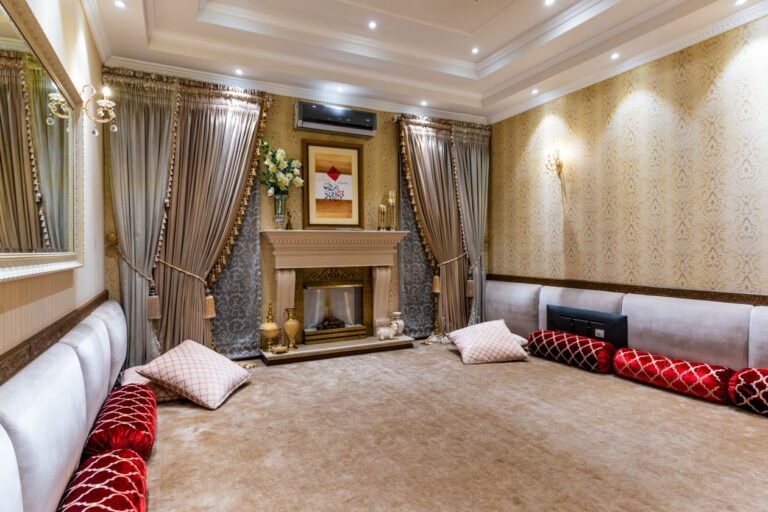
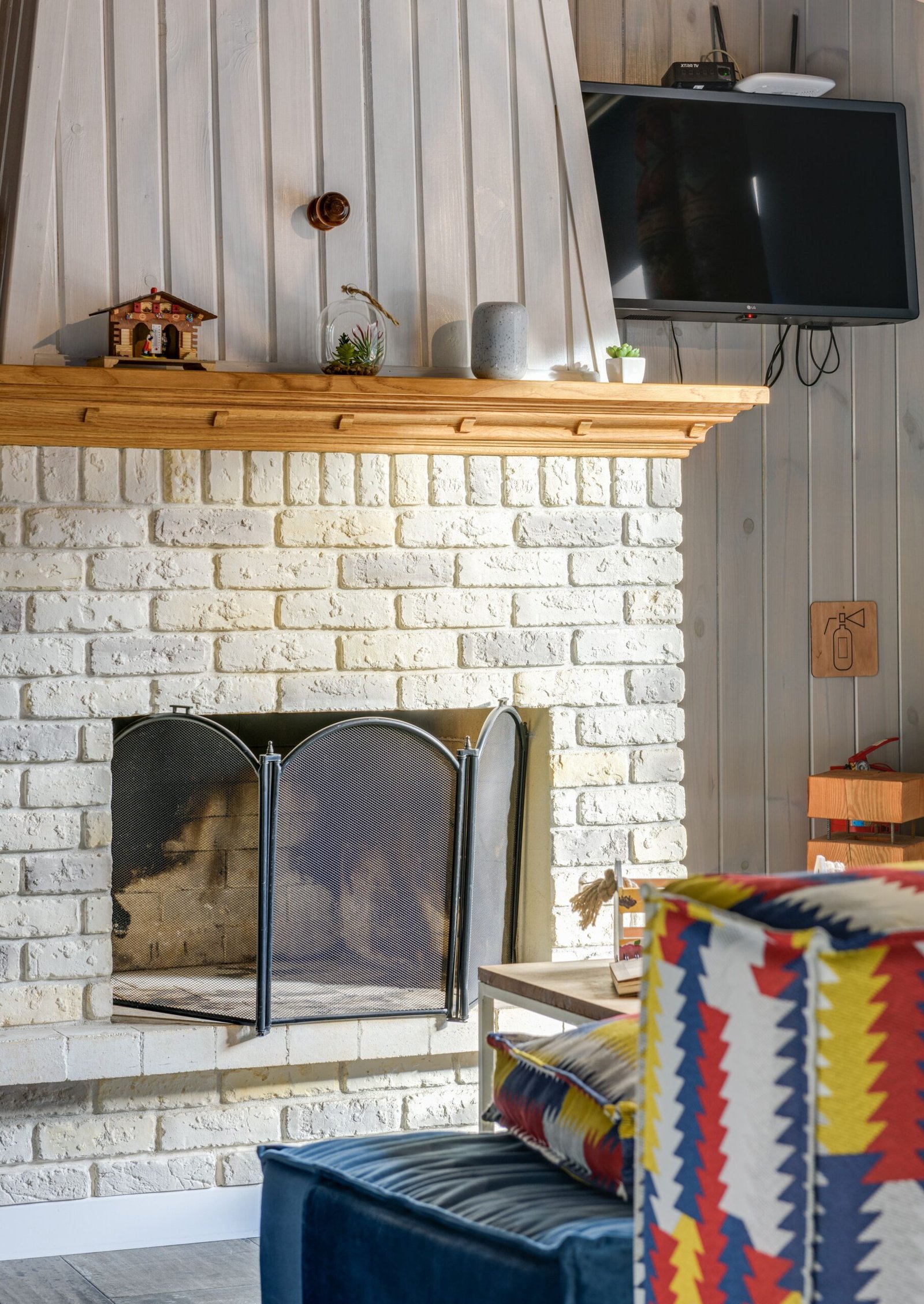
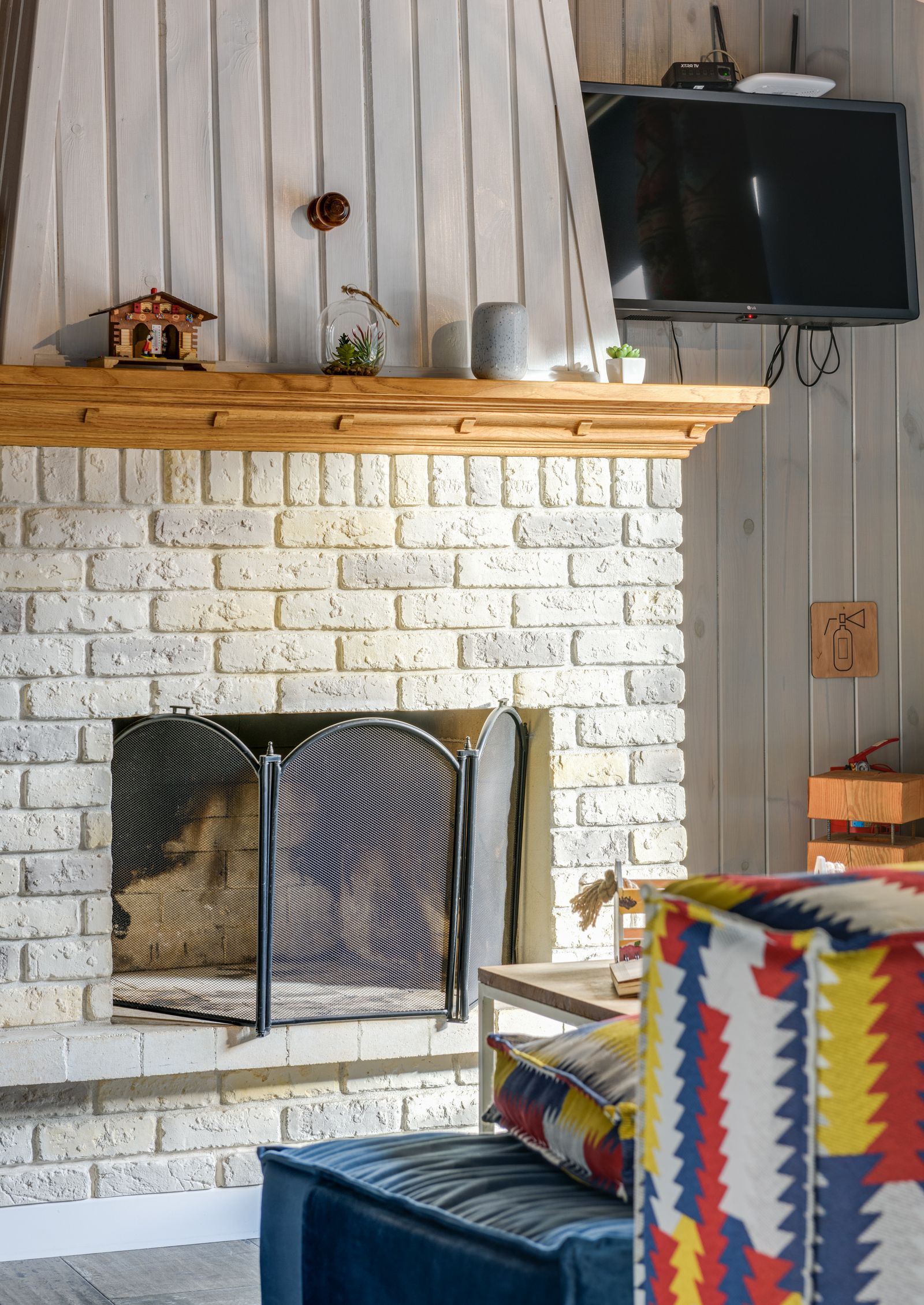
A fireplace, a large window, or a built-in shelf is usually the strongest natural focal point already in the room. Arranging furniture to face or frame it is often the fastest way to create a focal point without buying anything new at all.
2. Add a Statement Piece of Art
A single large piece of art on the main wall gives the eye somewhere clear to land, especially in a room without any built-in architectural feature to work with, and it works in almost any style of room regardless of budget.
3. Let a Bold Piece of Furniture Anchor the Room
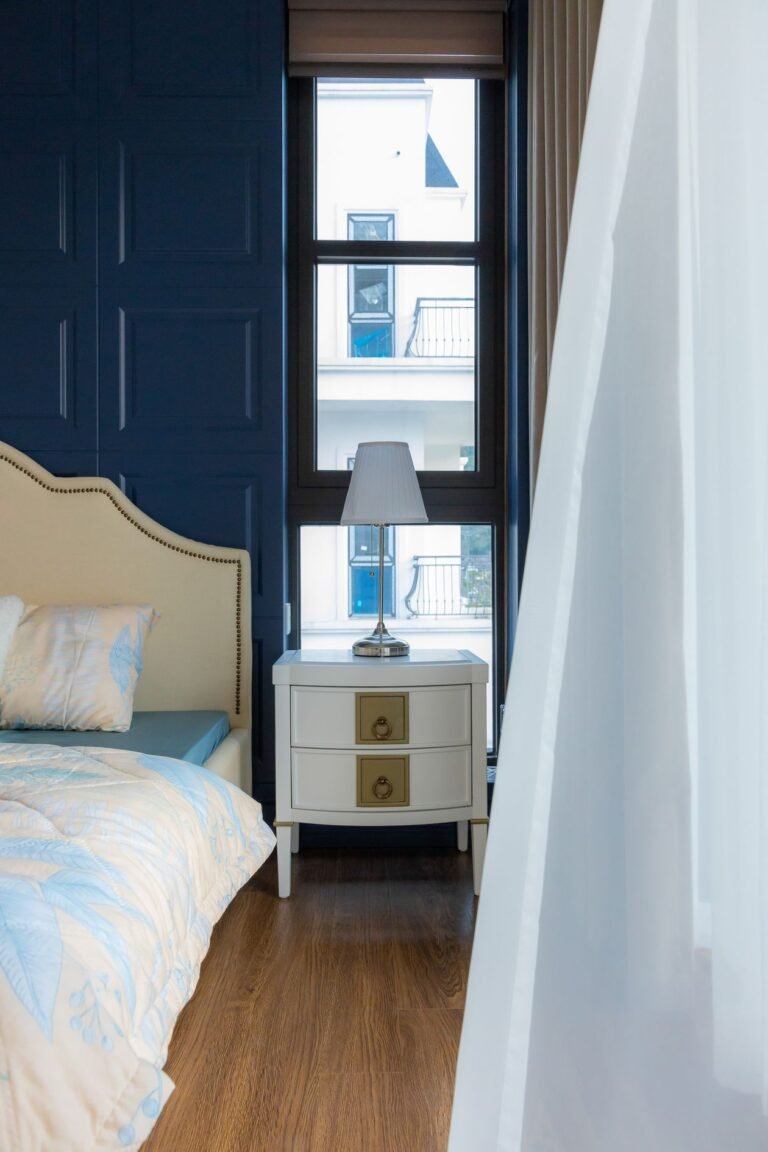
A patterned accent chair, a striking headboard, or a uniquely shaped table can serve as the focal point when nothing else in the room stands out on its own, giving an otherwise plain room a clear anchor to be arranged around.
4. Use Lighting to Draw the Eye
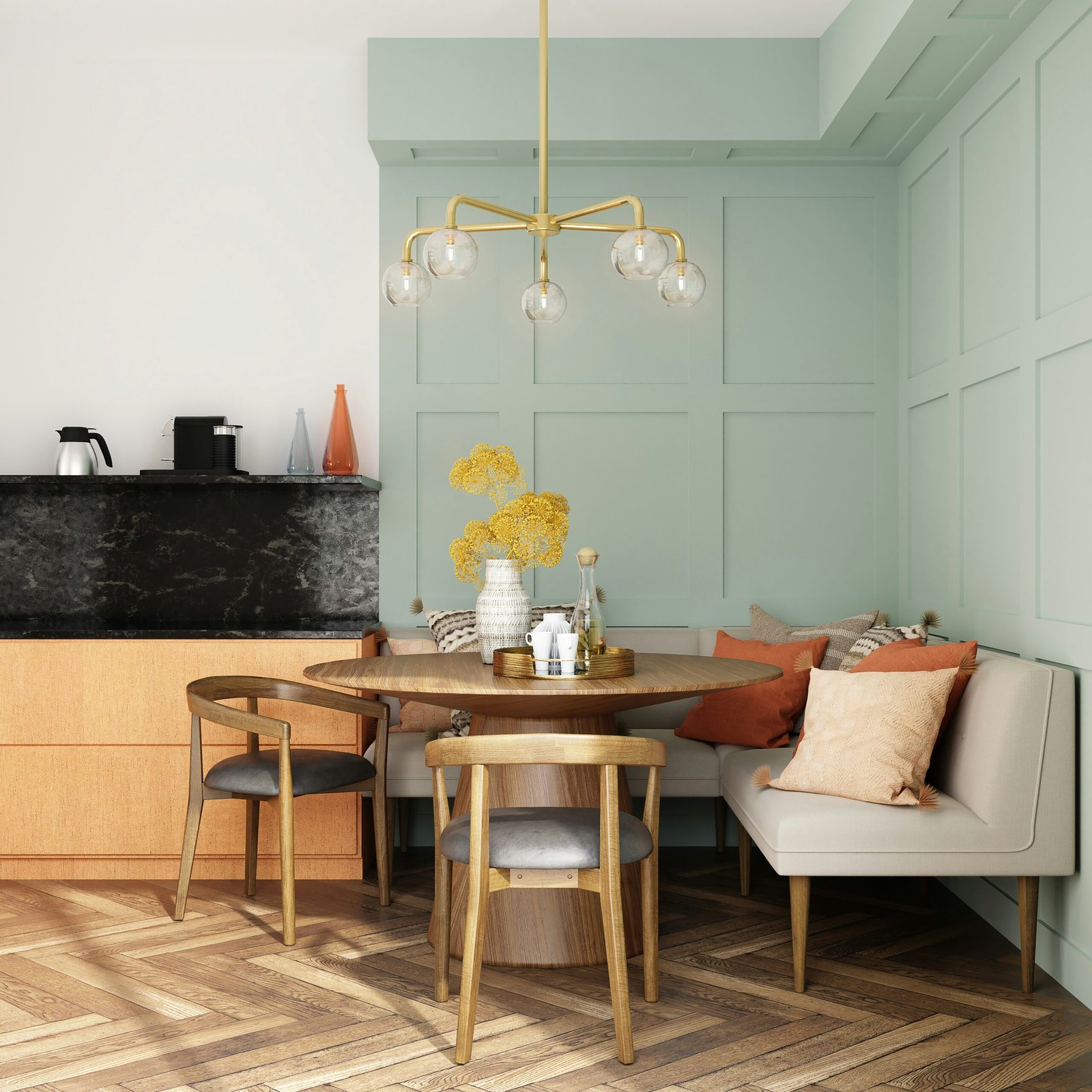
A statement pendant or a dramatic floor lamp pulls attention toward a specific spot, especially in rooms where furniture alone isn’t creating enough visual weight, and lighting often does this job more affordably than furniture ever could.
5. Avoid Competing Focal Points
A room with three different “stand out” elements — bold art, a patterned rug, and a busy accent wall — cancels itself out. Choosing one clear focal point and keeping the rest of the room quieter makes it actually work, since restraint elsewhere is what lets the chosen feature stand out at all.
6. Arrange Furniture Around It, Not Against the Walls
Furniture pushed to the perimeter of a room ignores whatever focal point exists. Angling seating toward the chosen point, even slightly, reinforces it as the room’s clear anchor, tying the whole layout back to one deliberate decision.
Why It Helps to Create a Focal Point First
Rooms that feel unfinished almost always skipped the step where someone decided to create a focal point before arranging anything else. Once that one decision is made, every other choice — where the sofa goes, which wall gets the art — becomes easier because there is finally a clear reference point to work from.
It rarely takes an expensive purchase to create a focal point that works. A single large mirror, a bold chair, or simply rearranging furniture to face an existing window often does the job just as well as a full renovation would, at a fraction of the time and cost.
Common Focal Point Mistakes to Avoid
The most common mistake is trying to create a focal point in every corner of a room at once. A room with three or four features all competing for attention ends up feeling busier, not more finished, than a room with no focal point at all, and it usually needs less rather than more to fix.
The Bottom Line
Every room benefits from one clear point the eye can rest on first. Whether that’s a fireplace, a piece of art, or a bold chair, choosing it deliberately — and arranging everything else around it — gives a room the sense of direction it was missing, often within a single afternoon of rearranging.
For more layout guidance, browse our living room and interior design guides, or see the American Society of Interior Designers for professional layout principles.