Walk a professional interior designer into a living room and they can usually spot the furniture placement mistakes before they even sit down. It rarely takes new furniture to fix a room that feels off. It just takes moving what is already there into a smarter layout, guided by a few simple rules designers use on every project.
If your living room never quite feels right, start by checking for these eight furniture placement mistakes.
1. Pushing All Furniture Against the Walls
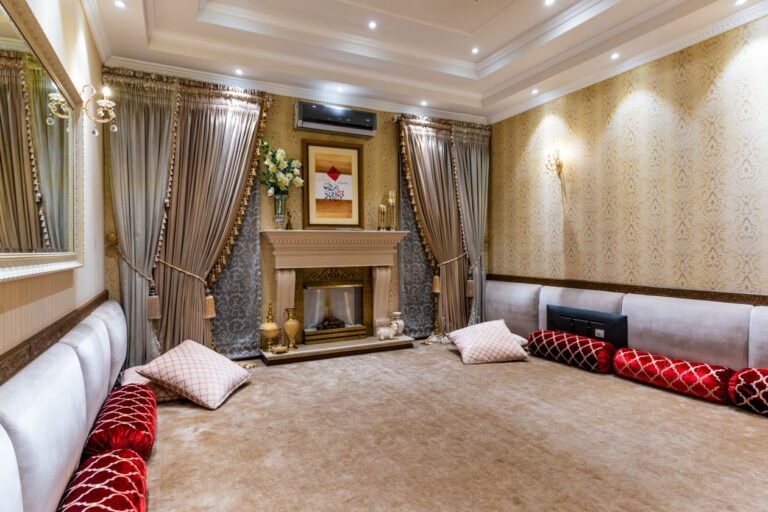
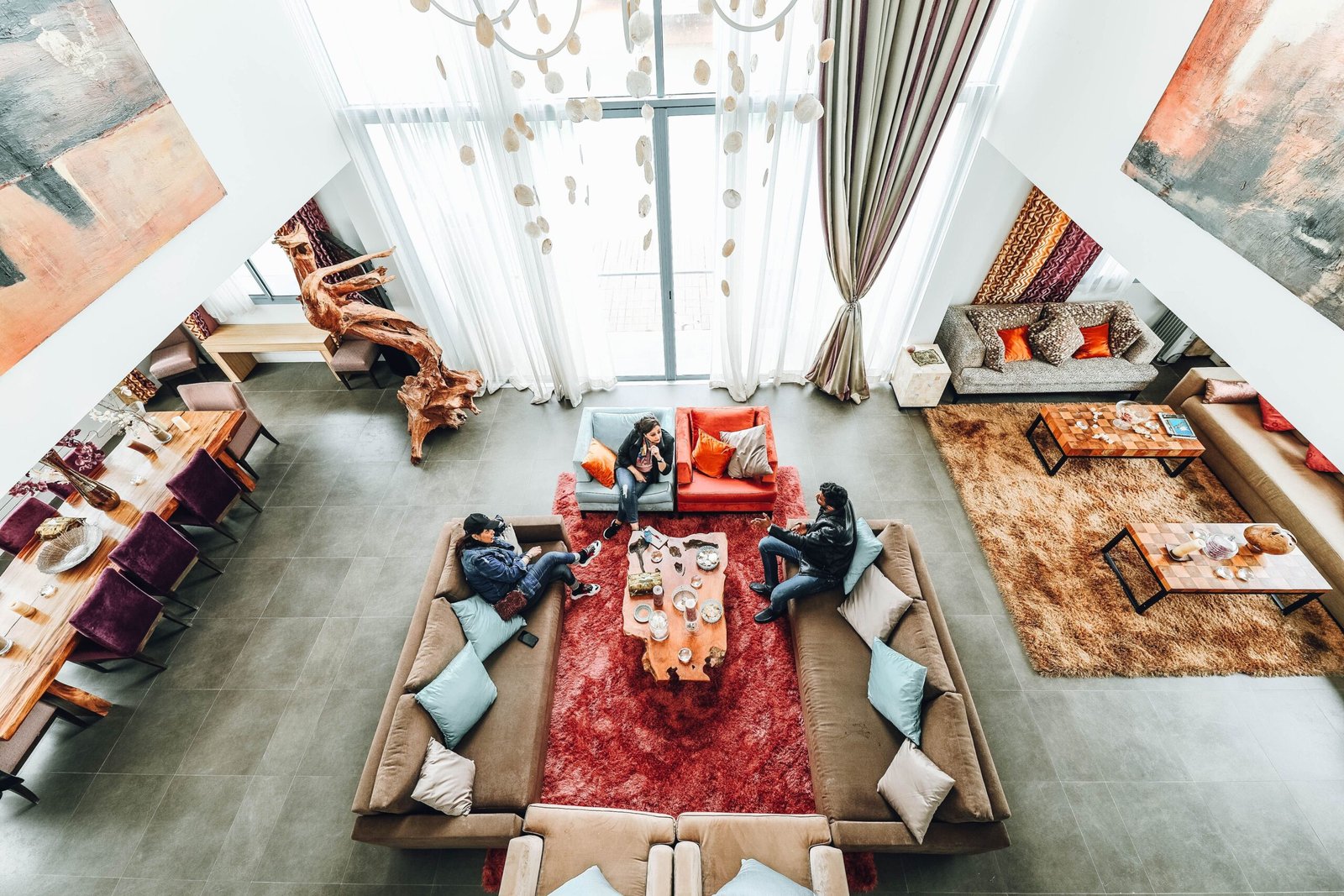
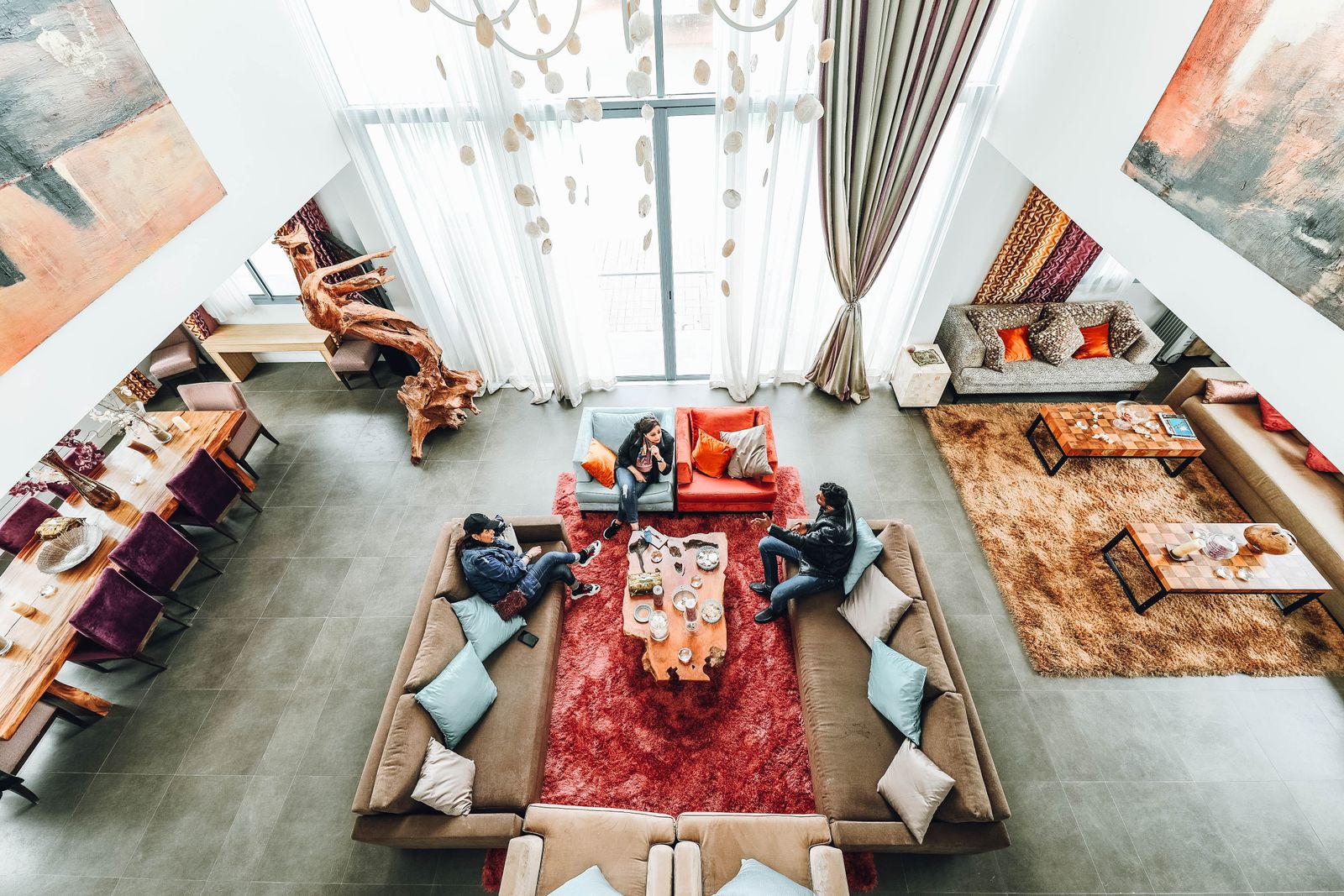
Lining every piece up against the walls leaves a big empty gap in the middle of the room and makes conversation between seats feel distant. Professional interior designers pull seating a few inches off the wall and angle pieces toward each other, creating a cozier, more usable center.
2. Blocking Natural Walkways
A coffee table, ottoman, or side chair placed directly in a room’s main walking path forces people to awkwardly weave around it every time they cross the room. Designers map out how people actually move through a space before placing anything, keeping at least a couple feet of clear path.
3. Choosing a Rug Too Small for the Seating Area
A small rug floating under just the coffee table, with furniture legs sitting outside its edges, makes an entire seating area look disconnected and smaller than it is. Interior designers size a rug so at least the front legs of every major piece rest on it.
4. Facing Furniture Away From the Focal Point
Every room has a natural focal point, whether it is a fireplace, a window view, or a television, and furniture angled away from it wastes the room’s best feature. Professional designers arrange seating to face or partially face that focal point first, then fill in around it.
5. Ignoring Traffic Flow Between Rooms
Furniture placed without considering how people move between the living room and adjacent spaces creates awkward bottlenecks at doorways and hallway openings. Designers walk the space first, tracing the natural path between rooms, before deciding where any large piece will go, since a single misplaced console table can bottleneck an entire hallway.
6. Centering a Sofa Under an Off-Center Window
Lining a sofa up with a window that is not centered on the wall throws off the visual balance of the whole room, even if no one can quite say why it looks off. Interior designers center furniture on the wall itself rather than on a window that may not be centered.
7. Lining Up Furniture in a Straight Row
A sofa and two chairs placed in a straight line facing a TV can feel stiff and make conversation between people sitting far apart nearly impossible. Designers angle chairs slightly inward to form a loose conversational grouping instead of a rigid row facing one direction.
8. Forgetting to Leave Space for Doors to Swing Open
A chair or bookshelf placed just a few inches too close to a door can block it from opening fully, a mistake that is easy to miss until moving day. Professional interior designers always check door swing radius and closet access before finalizing any furniture layout.
Getting Furniture Placement Right the First Time
Most furniture placement mistakes come down to arranging a room by eye instead of by how people actually move through and use it every single day. Pulling seating off the walls, sizing the rug correctly, and respecting traffic flow are the changes that make a living room feel intentional rather than accidental.
For more layout guidance by room, browse our living room and interior design guides, or see the American Society of Interior Designers for more professional design resources.