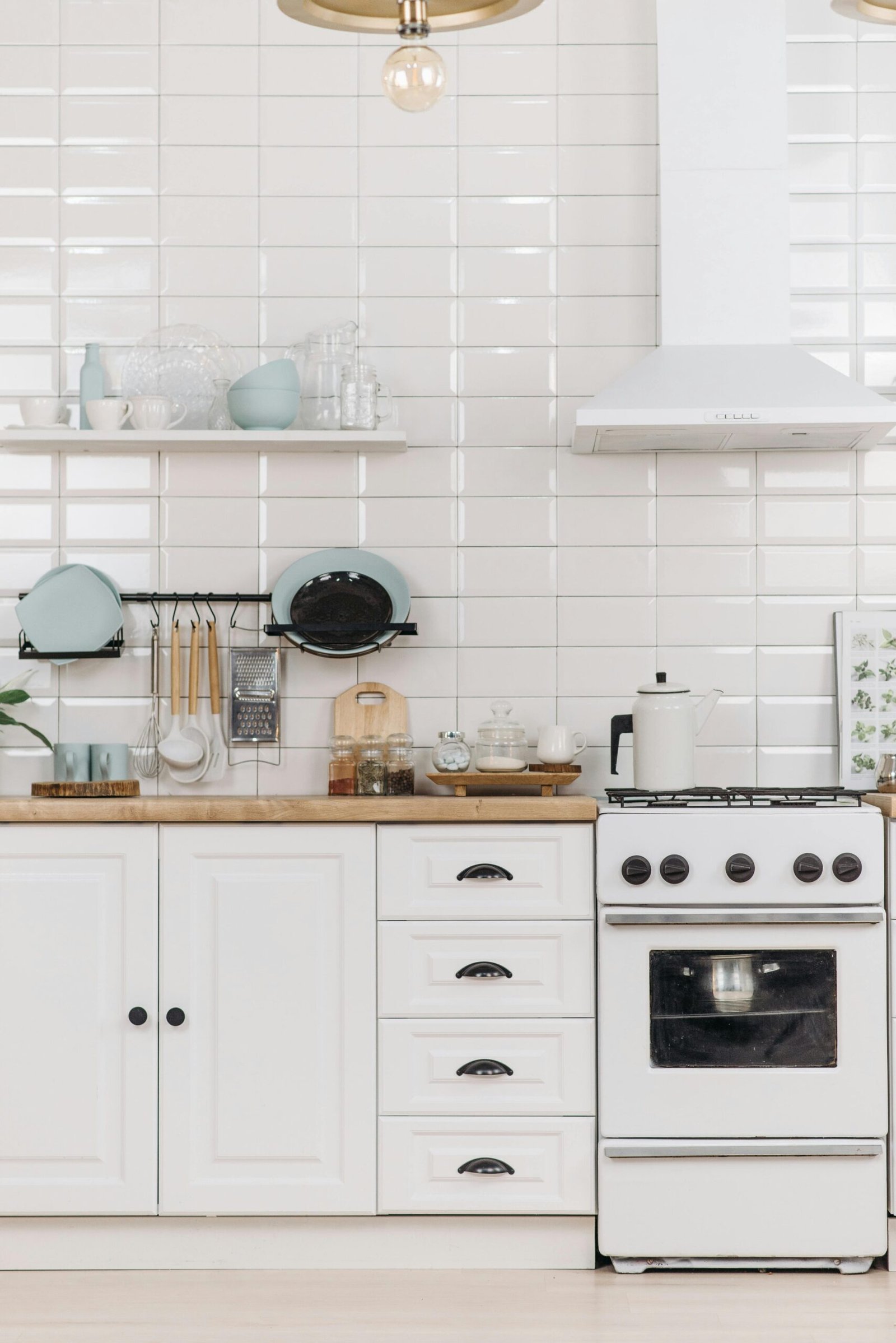
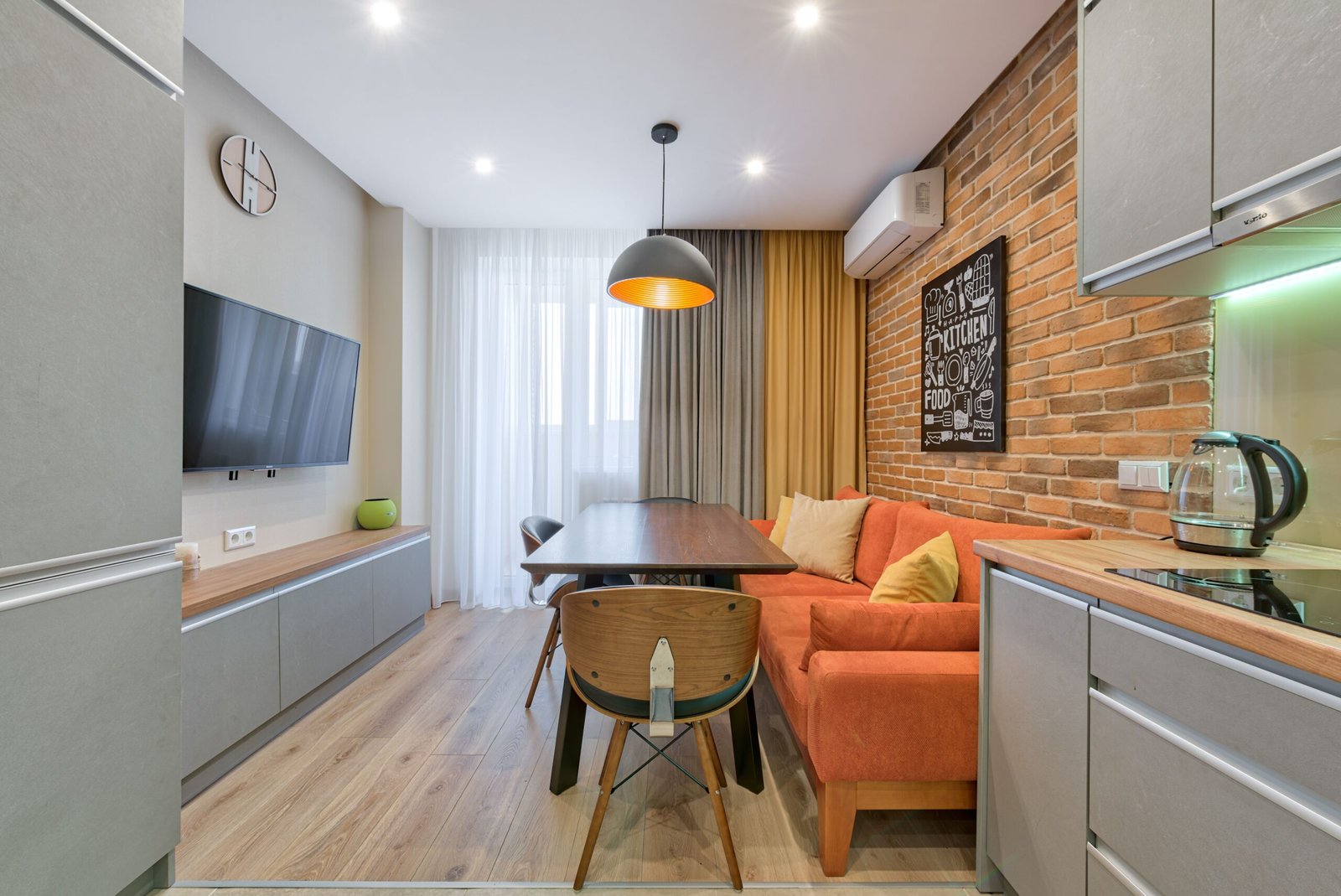
Furniture scale and proportion quietly wreck more rooms than color or style choices ever do. A room can have great taste in every individual piece and still feel wrong if those pieces don’t relate properly to the space or to each other, no matter how much each one cost.
These six scale mistakes are some of the most common, and all are fixable without buying anything new.
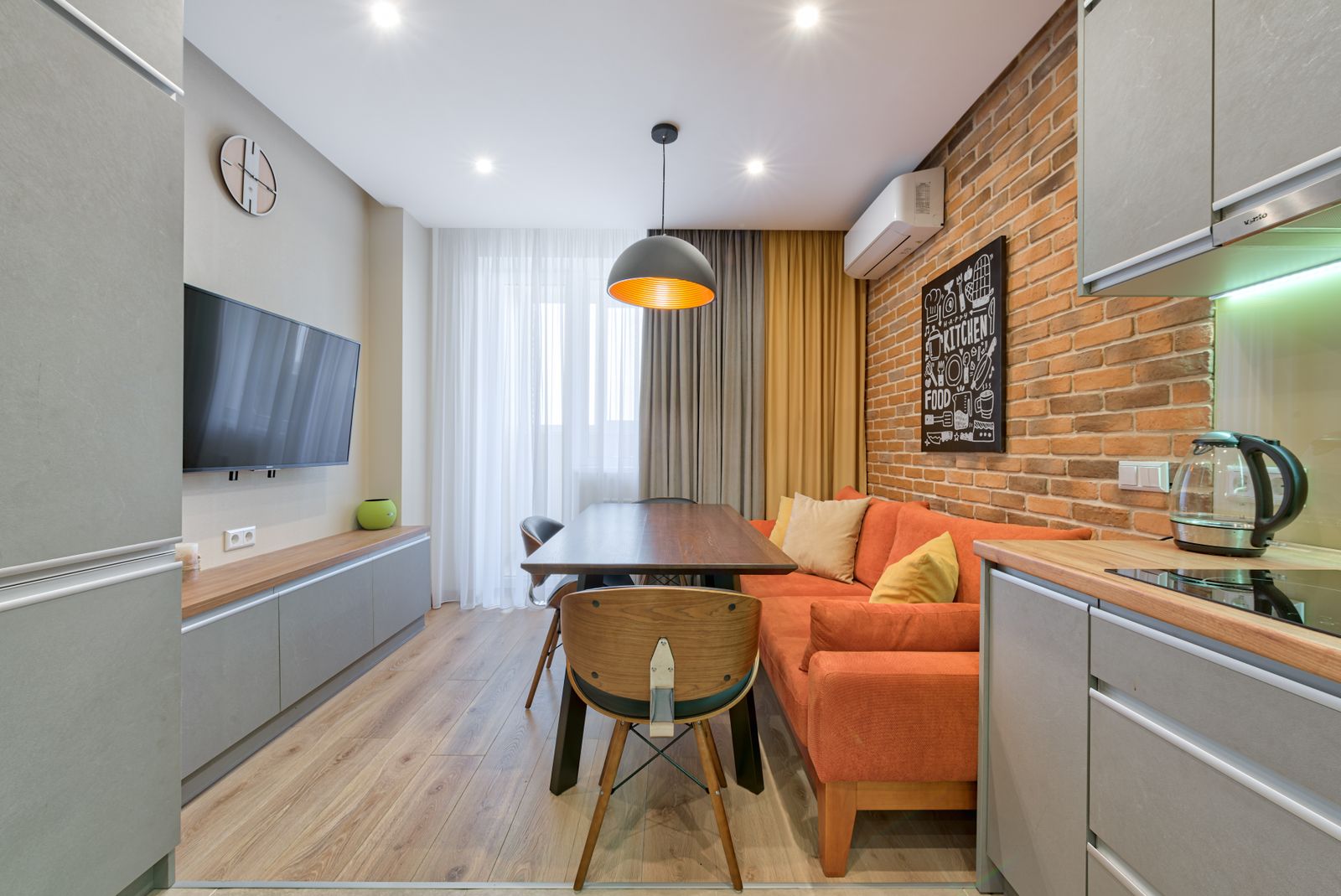
1. An Oversized Sofa in a Small Room
A deep, sprawling sofa might look great in a showroom, but it can swallow a small room’s floor space and block natural walking paths. Measuring the room before buying is the simplest fix, and it takes only a few minutes with a tape measure.
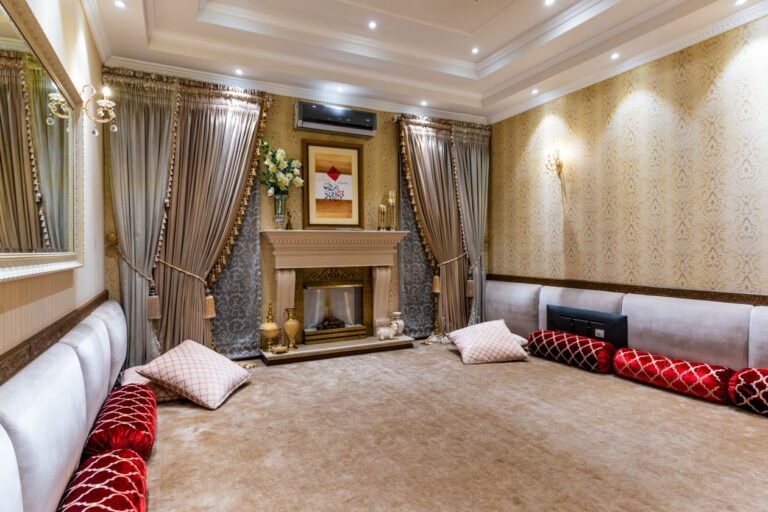
2. A Rug Too Small for the Furniture
A rug that only the coffee table sits on, with all the seating floating off its edges, makes a room look disconnected. A rug sized so at least the front legs of major furniture rest on it ties the space together, which is one of the most common furniture scale and proportion fixes available.
3. Tiny Accessories on Large Surfaces
A single small vase on a large console table gets visually lost. Grouping a few items together, or choosing one larger piece, gives large surfaces the visual weight they need, matching the scale of the object to the scale of the surface it sits on.
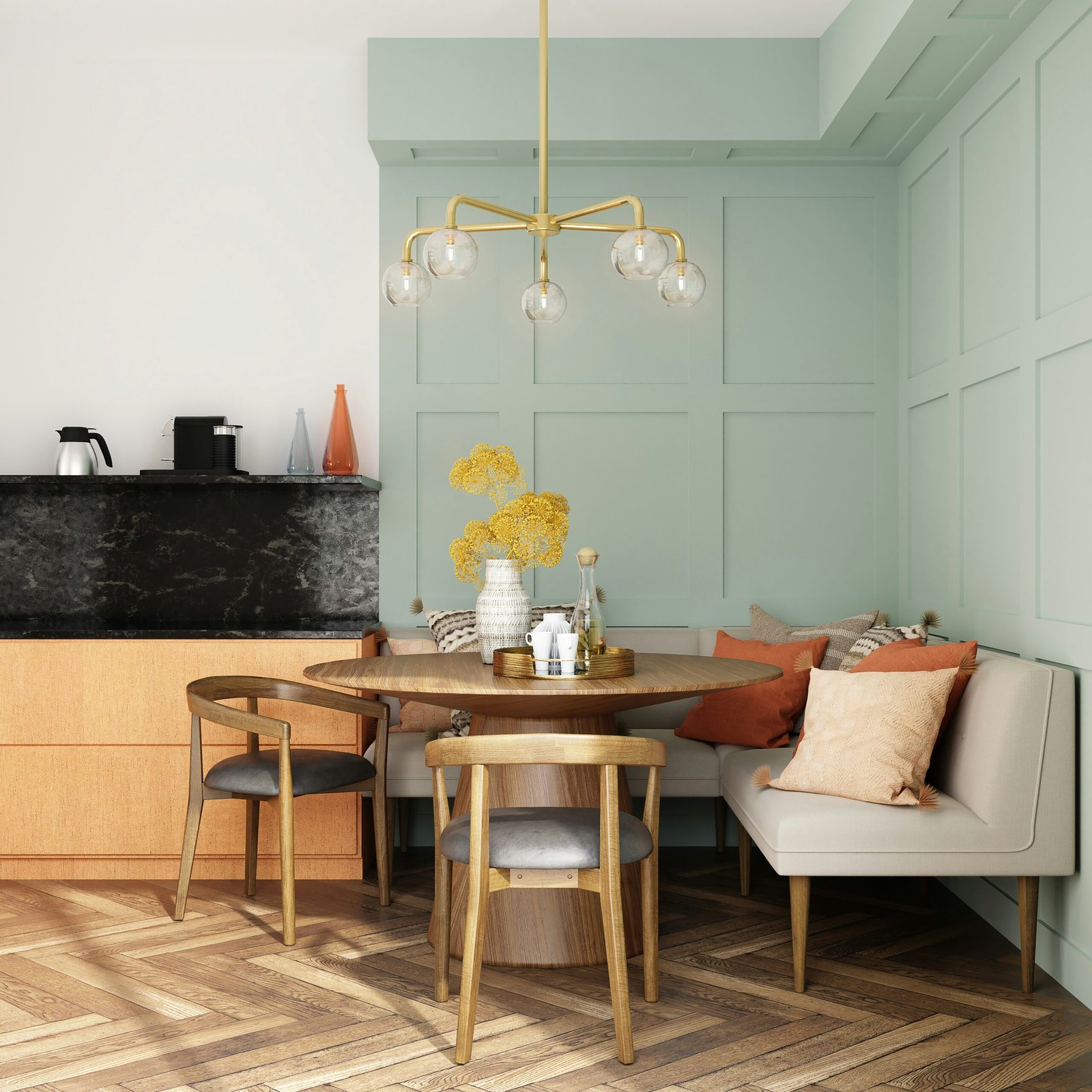
4. A Coffee Table Too Low or Too High
A coffee table should generally sit close to the height of the surrounding seating. One that’s significantly taller or shorter throws off the visual balance of the whole seating area, even when every other piece in the room is otherwise well chosen.
5. Artwork Hung Too Small for the Wall
A small piece of art centered on a large, empty wall looks lost rather than intentional. Sizing artwork to take up roughly two-thirds of the available wall space reads as far more deliberate, and it is one of the easiest scale fixes to make without buying new furniture at all.
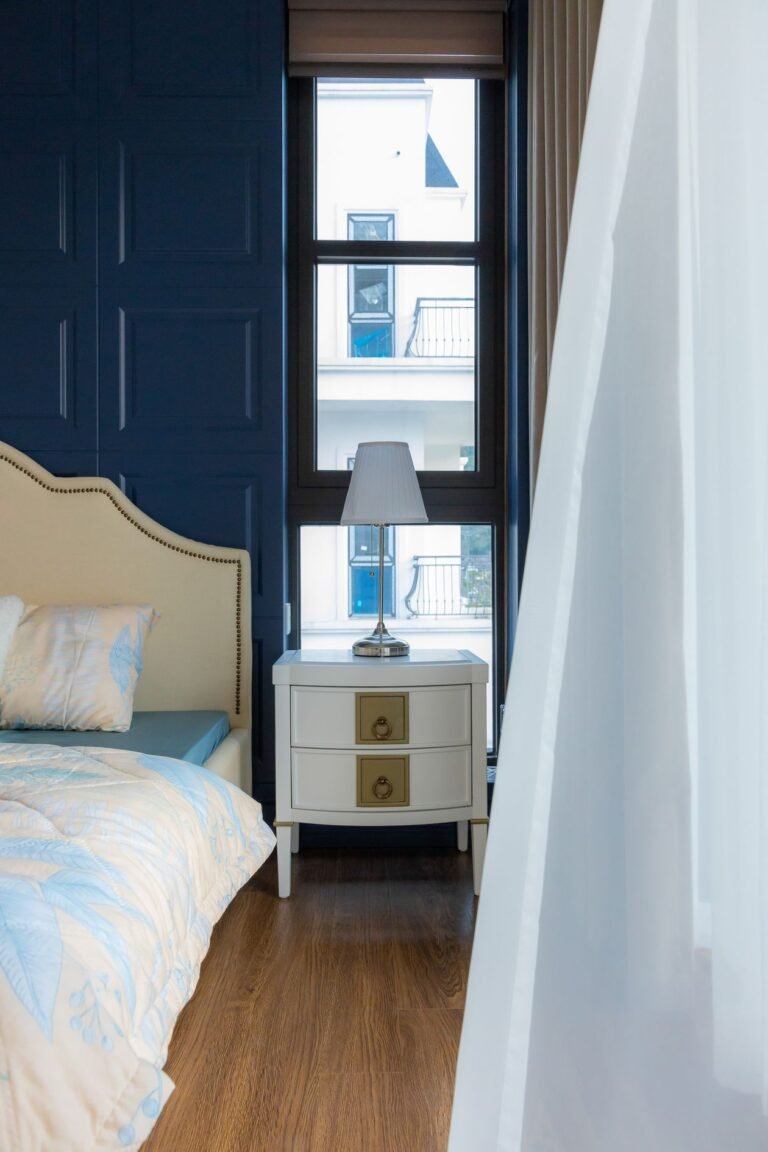
6. Mismatched Lamp and Table Heights
A tall lamp on a low side table, or the reverse, creates an awkward silhouette next to seating. Keeping the shade of a table lamp roughly at eye level when seated solves this in most rooms, and it is worth checking every lamp in the house against this rule.
Getting Furniture Scale and Proportion Right From the Start
Furniture scale and proportion problems are rarely about taste — the pieces themselves are usually fine on their own. The mismatch only shows up once they are placed together in a specific room, which is exactly why measuring before buying matters so much more than browsing for style alone.
A tape measure and a simple floor plan sketch, even a rough one on paper, catch most furniture scale and proportion mistakes before a single purchase is made, which is far cheaper than returning an oversized piece after delivery.
A Quick Scale Check Before Buying
Before buying a new piece, measure the space it will occupy and compare that to the piece’s actual dimensions, not just its appearance in a photo. This single habit prevents the majority of furniture scale and proportion regrets homeowners run into.
The Bottom Line
Most proportion mistakes trace back to buying pieces one at a time without measuring against the room or against each other. A tape measure, used before shopping rather than after, prevents nearly all of them.
For more furniture guidance, browse our furniture & decor and interior design guides, or see the American Society of Interior Designers for professional scale guidelines.