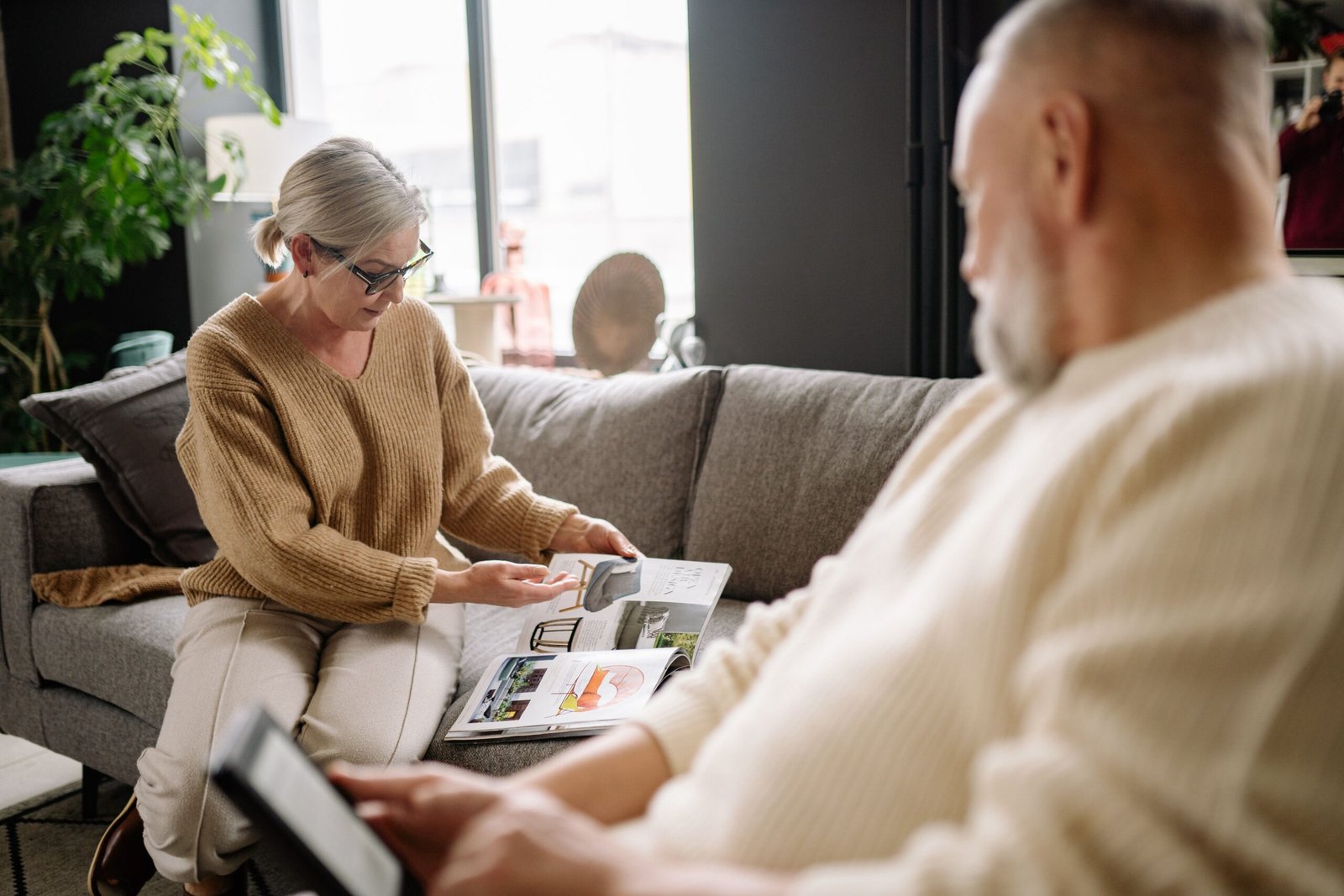
Trying to explain design style to your partner who doesn’t follow interior design usually stalls at the vocabulary. “Mid-century modern” or “organic modern” means nothing to someone who hasn’t spent hours on design blogs, and the conversation ends before it starts.
These six approaches replace jargon with language and tools that actually land.
1. Describe the Feeling, Not the Label
“Warm and cluttered-in-a-good-way” communicates more than “maximalist.” Feelings are universal; style labels are a specialized vocabulary most people never had a reason to learn or use in daily conversation.
2. Point at Real Rooms, Not Categories
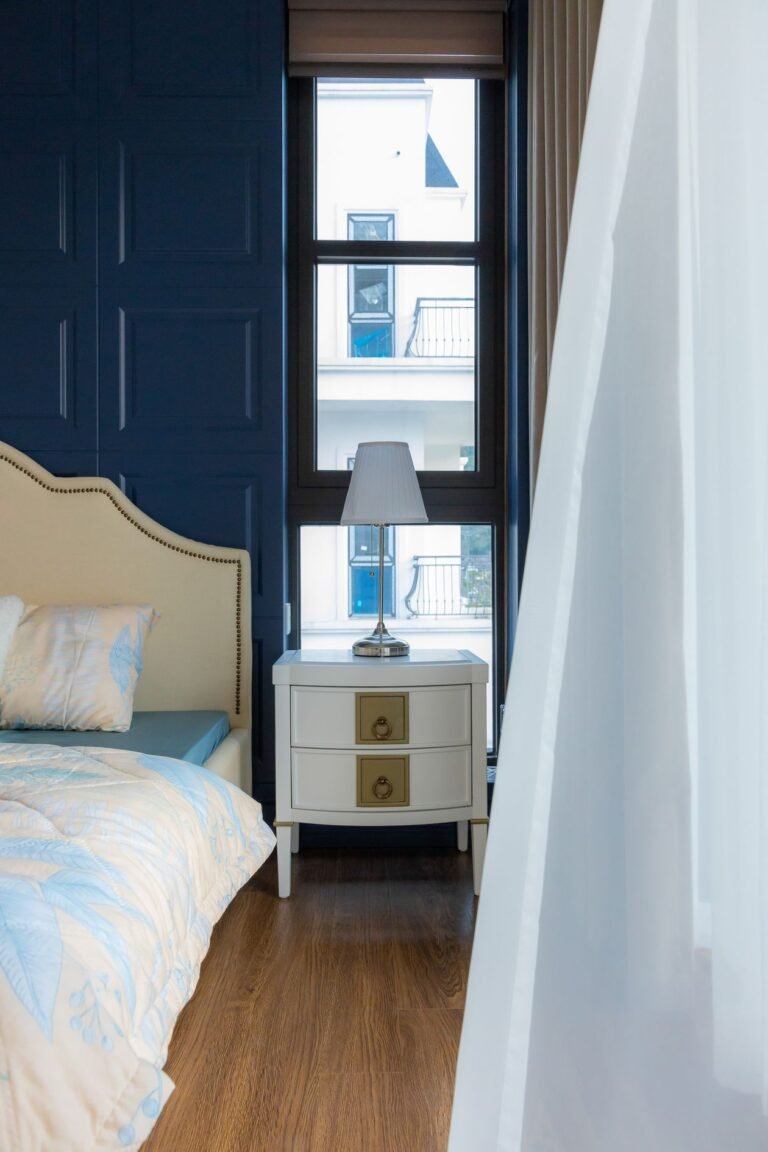
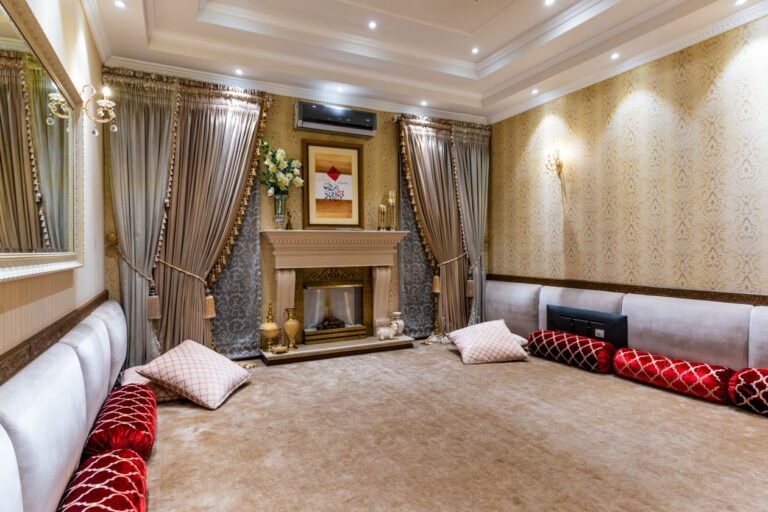
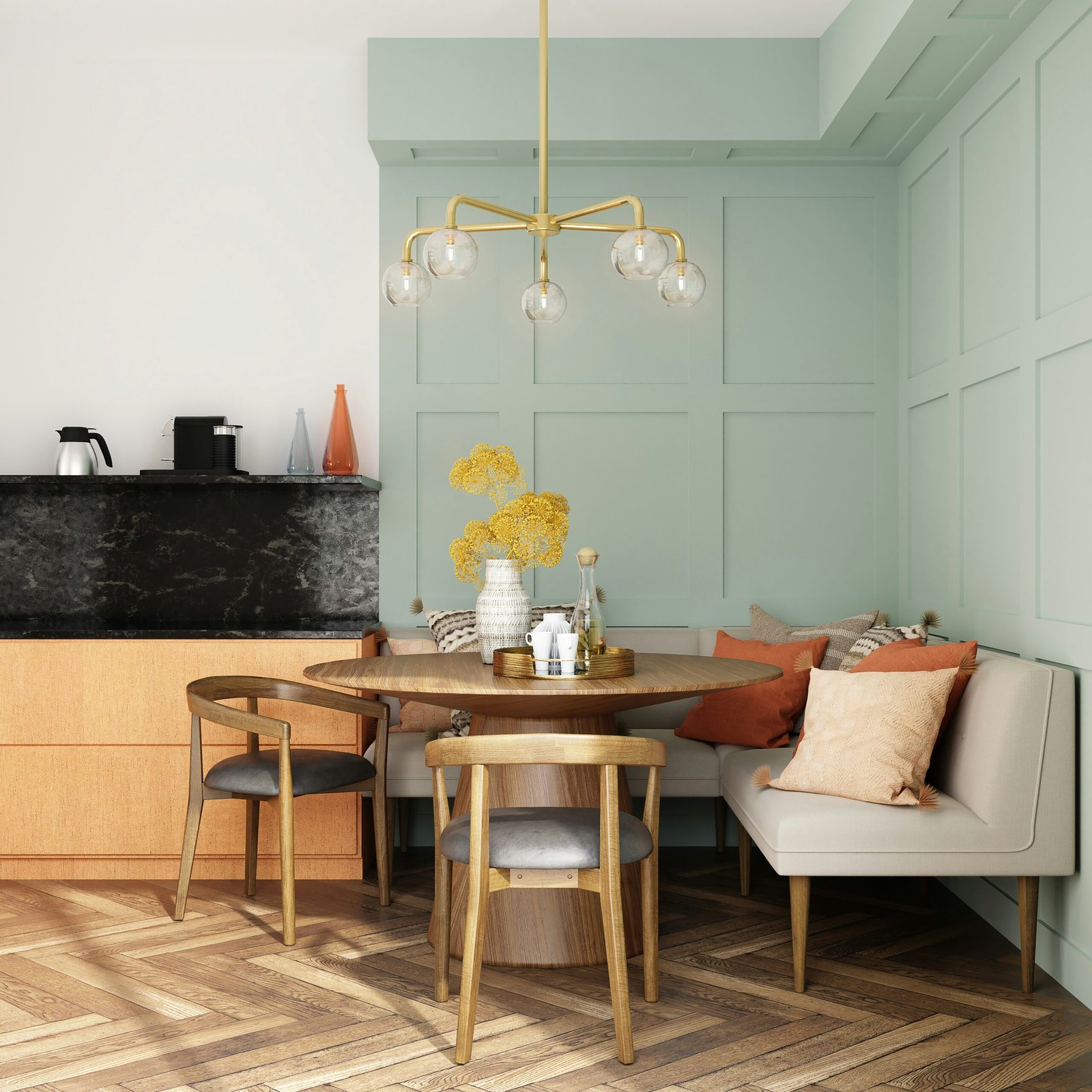
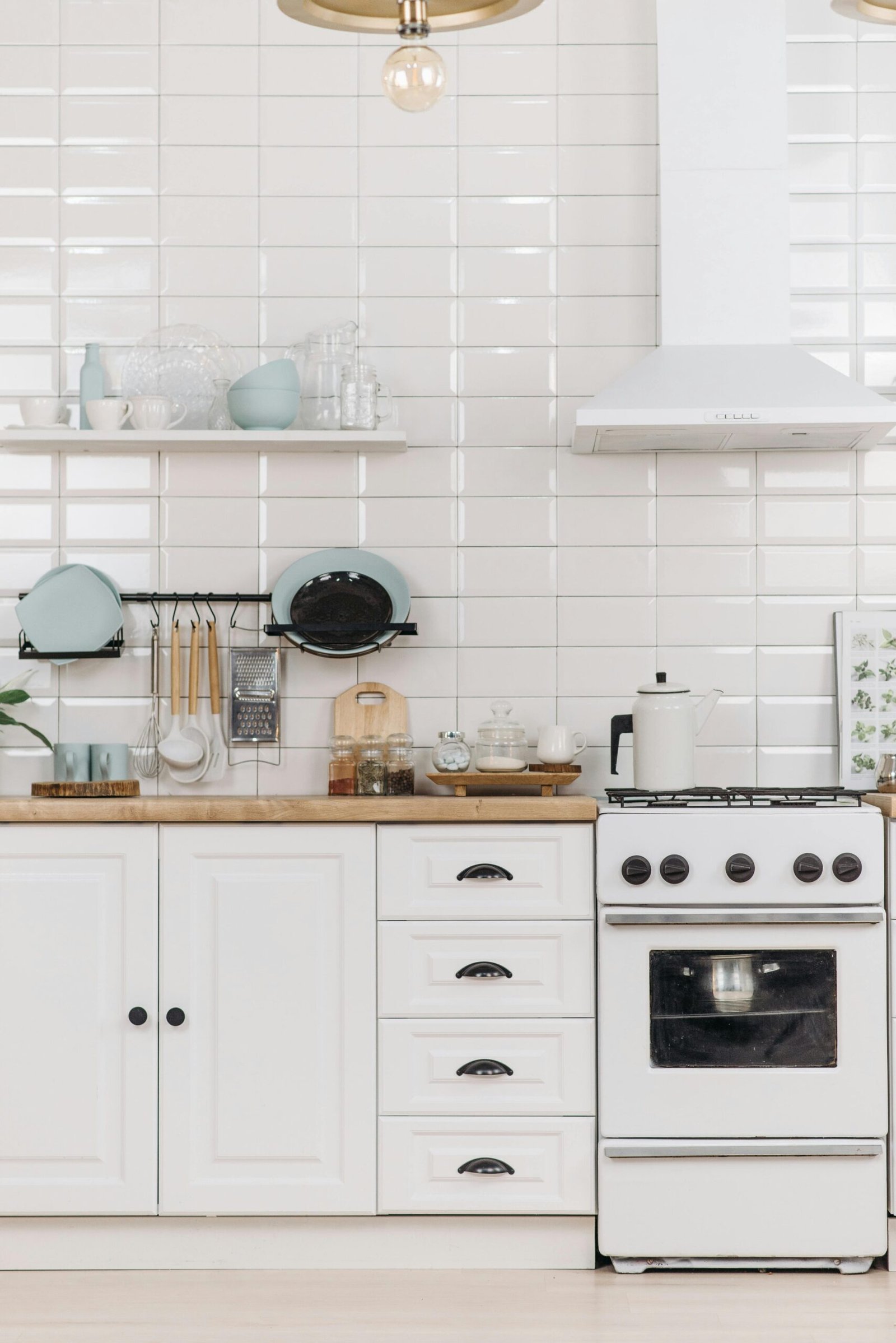
Pulling up three photos and asking “which of these feels most like us?” skips the need for any label at all. The photos do the explaining; the words are just there to react to.
3. Use Opposites to Narrow It Down
Asking “more like a hotel lobby or more like a cabin?” gives a partner an easy either-or instead of an open-ended style question they don’t have the vocabulary to answer.
4. Bring in a Material Sample
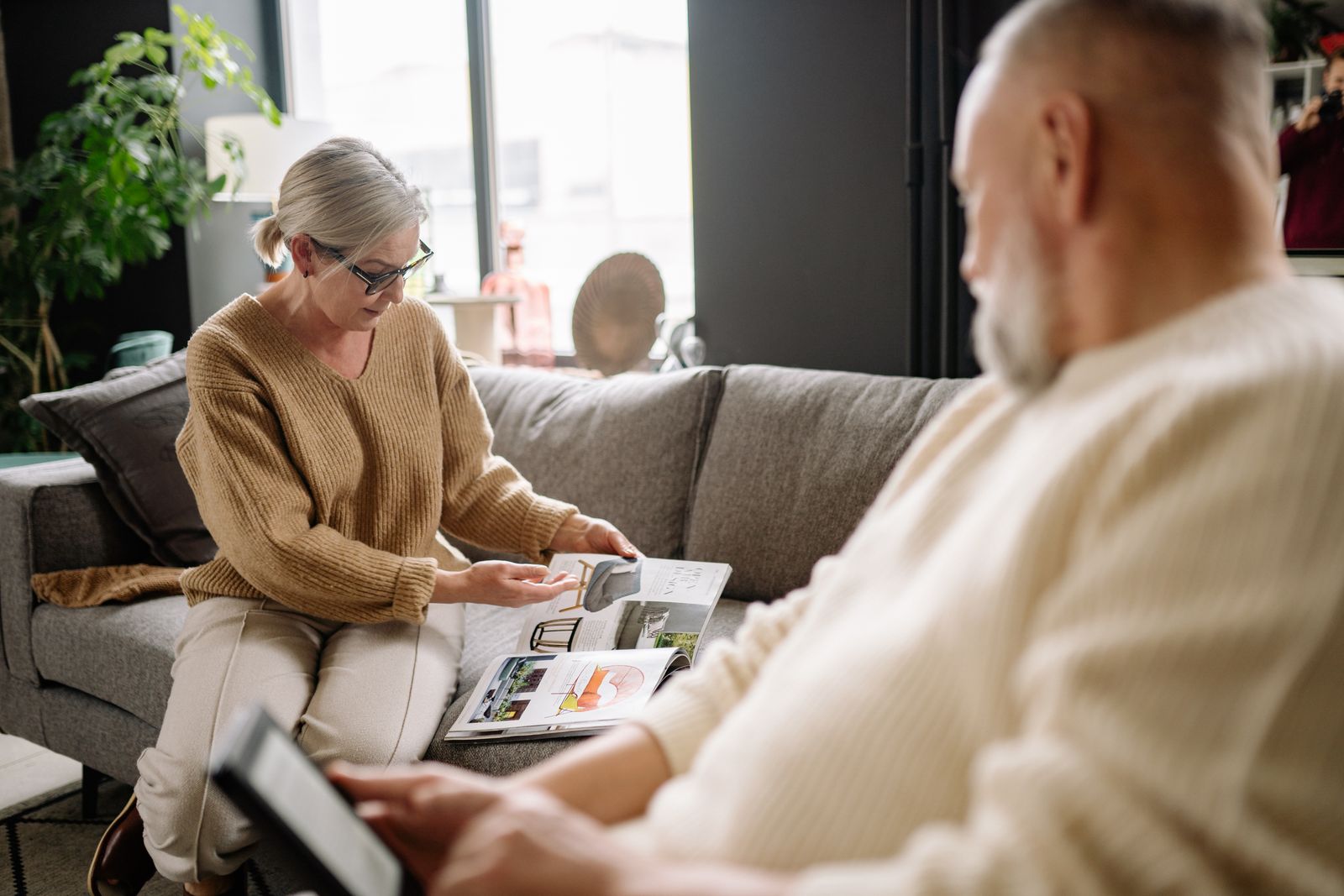
Holding an actual piece of fabric, a paint chip, or a wood sample turns an abstract style conversation into a concrete reaction: “I like this” or “not this.” It’s far easier than describing texture and finish in words, and it works even for someone who has never once used a design term in their life.
5. Talk About Rooms They Already Love
Asking what a partner liked about a favorite hotel room, restaurant, or a friend’s house surfaces real preferences without needing design terminology at all — those preferences just need translating into the current room. A partner who can’t name a single style can usually describe exactly what they loved about a specific vacation or a friend’s living room in detail.
6. Keep the First Conversation Short
A single question — “warm or cool colors?” — gets answered. Ten questions in a row about lighting, texture, layout, and style all at once gets a shrug. Spreading the conversation out over several short check-ins keeps engagement high instead of turning decorating into a single overwhelming interview.
Making It Easier to Explain Design Style to Your Partner
Most people who struggle to explain design style to their partner assume the problem is a lack of interest on the other side. More often, it is a vocabulary gap: design media uses a shorthand most people never had reason to learn, and that shorthand gets treated as the whole conversation instead of just one possible tool.
Once photos, feelings, and simple either-or questions replace the vocabulary, it becomes far easier to explain design style to your partner without either person feeling talked down to or talked over.
Skipping Labels Leads to Fewer Misunderstandings
The goal was never agreement on terminology — it was always agreement on the room, and that can happen without a single style label ever coming up.
Couples who skip the jargon entirely often end up with a more accurate read on each other’s taste than those who rely on labels, simply because feelings and photos are harder to misinterpret than a term like organic modern that means something slightly different to everyone who uses it. A shared photo removes that ambiguity in a way words alone rarely can.
The Bottom Line
A partner who seems disengaged from design conversations is often just missing the vocabulary, not the opinion. Replacing labels with feelings, photos, and real-world references gets to the same answer without the jargon getting in the way.
For more on shared decorating decisions, browse our interior design and how-to guides, or see the American Society of Interior Designers for style definitions.