Productivity experts who study how people actually work at home keep spotting the same home office mistakes, whether the setup is a full spare room or a corner of the kitchen table. None of them require an expensive redesign. Most just take a few honest changes to how the space gets used every single day.
If your home office never quite feels productive, start by fixing these eight things.
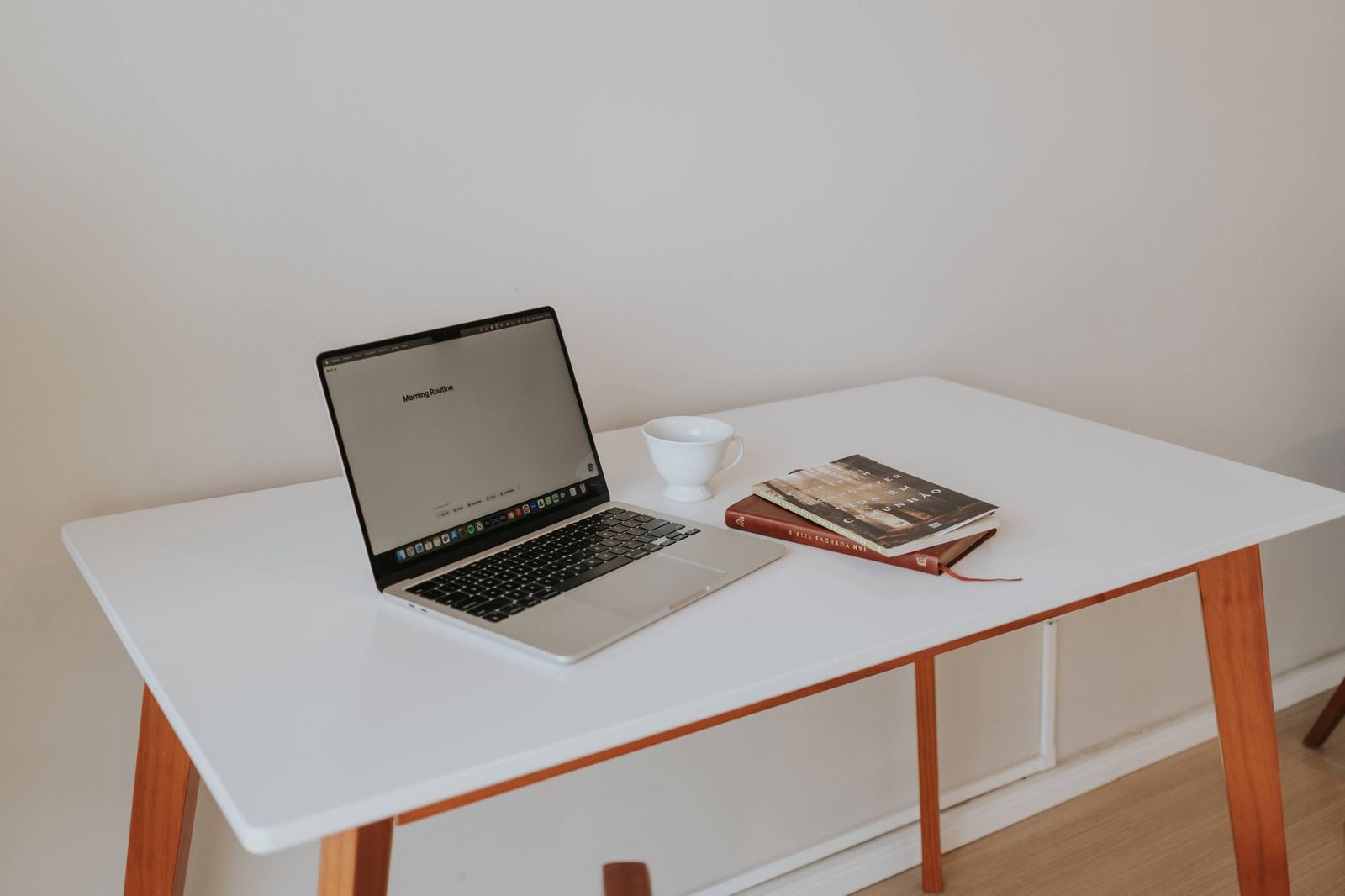
1. No Dedicated Work Zone
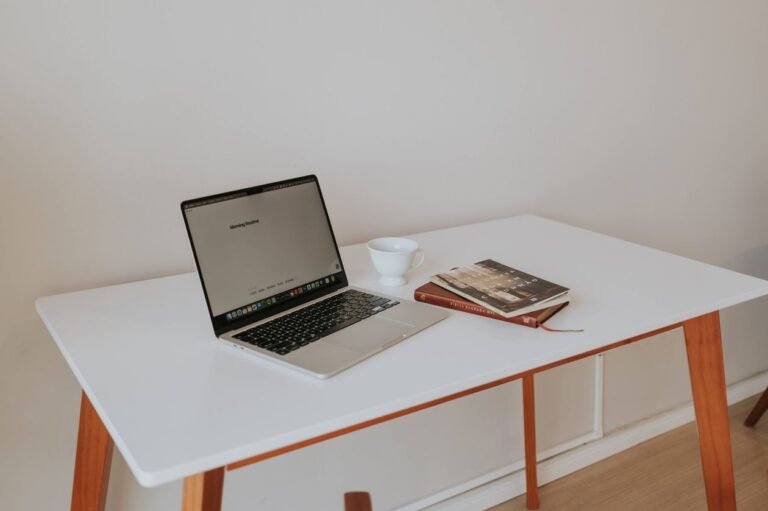
Working from whatever surface happens to be free that day makes it hard for the brain to switch into focus mode, since the space carries no consistent association with work at all. Productivity experts recommend claiming one spot, even a small desk in a corner, and using it only for work.
2. Facing a Blank Wall All Day
Staring at a bare wall for hours can make a home office feel like a small box rather than a place people actually want to sit in each morning. Experts suggest positioning a desk near natural light or a window when possible, which also supports focus and mood throughout the day.
3. Working From the Couch or Bed Regularly
Answering emails from bed or the couch blurs the mental boundary between rest and work, making it noticeably harder to relax later and harder to focus right now. Productivity experts keep work confined to a dedicated desk, saving the couch and bed strictly for downtime.
4. Poor Task Lighting
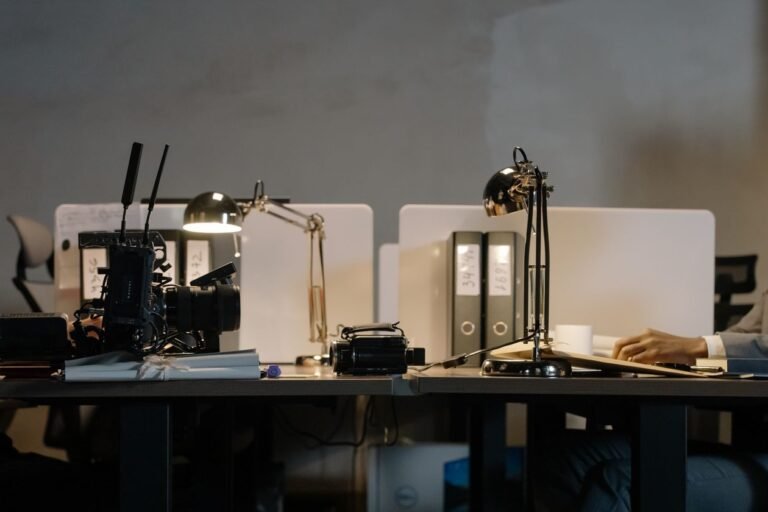
Relying only on an overhead light or a dim lamp strains the eyes during long stretches of screen time and can quietly contribute to afternoon fatigue. Experts add a dedicated desk lamp positioned to reduce screen glare, on top of whatever ambient light the room already happens to get.
5. A Cluttered Desk Surface
A desk buried under old mail, cables, and half-finished projects adds a small mental tax every single time someone sits down to start working for the day. Productivity experts clear the desk at the end of each day, leaving only what is needed for tomorrow’s first task.
6. No Boundary Between Work and Home Life
A home office with no closing door or visual cue that the workday is over makes it easy to keep checking messages well into the evening. Experts recommend a simple end-of-day ritual, like shutting a laptop and physically leaving the desk, to clearly signal the transition back to home life.
7. Ignoring Basic Ergonomics
A chair that is too low or a laptop screen sitting well below eye level leads to neck and back strain that builds up gradually over weeks and months. Productivity experts adjust chair height, monitor position, and keyboard placement early, rather than waiting for discomfort to force a fix.
8. Leaving Every Notification On
A phone and computer buzzing with every notification throughout the day fragments attention and makes deep, focused work almost impossible to sustain for more than a few minutes. Experts silence non-essential notifications during focused work blocks, checking messages in scheduled batches instead of constantly throughout the entire day.
Building a Home Office That Actually Works
None of these fixes require new furniture or a full room renovation, just small, deliberate changes to how the whole space gets used day to day. Claiming one dedicated spot, fixing the lighting, and setting real boundaries around the workday are exactly what productivity experts say separates a home office that genuinely works from one that just exists in the corner of a room.
For more setup ideas, browse our home office and how-to guides, or see the OSHA guide to computer workstation ergonomics for more setup guidance.