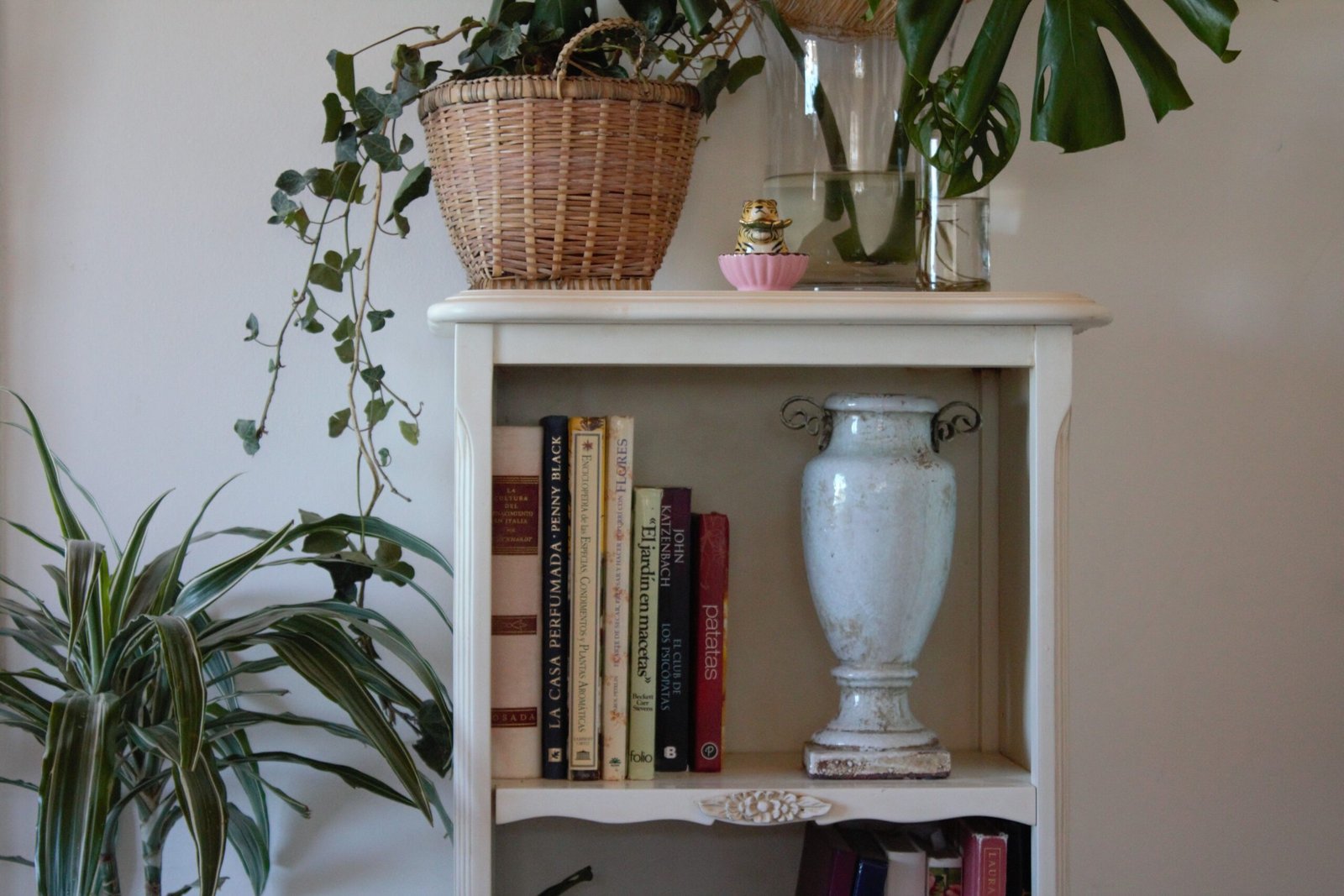
A bookshelf styled too perfectly stops looking like somewhere books actually live. Knowing how to style a bookshelf is about balancing real, useful storage with just enough curated detail to keep it from looking chaotic.
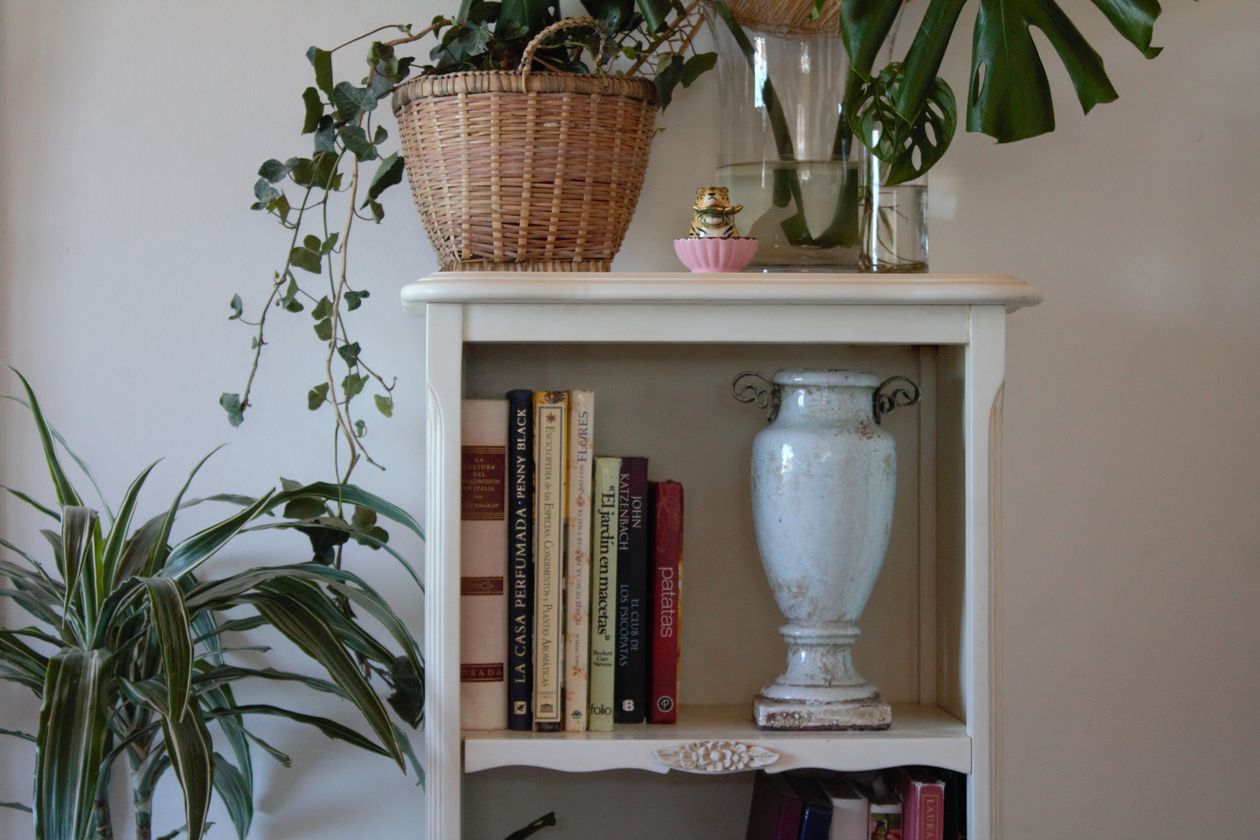
Getting how to style a bookshelf right takes only a few minutes once you know the pattern to repeat, and it makes a bigger difference than most people expect.
Why Bookshelves Need Both Order and Imperfection
A shelf of only vertical spines in a rainbow gradient looks staged; a shelf of only stacked books with nothing else looks like storage. The sweet spot mixes both horizontal and vertical books with a few objects that give the eye somewhere to land.
How to Style a Bookshelf by Season
| Season | Easy Swap | Quick Tip |
|---|---|---|
| Spring | A small potted plant, lighter-toned book covers forward | Add a woven basket for loose items on a lower shelf |
| Summer | A shell or piece of travel decor, a trailing plant | Turn a few spines inward for texture |
| Fall | A small pumpkin, a candle, warmer book covers forward | Add a framed photo leaned against the books |
| Winter | Greenery sprig, a small decorative object, a candle | Layer in a textured object like a ceramic vessel |
see our open shelving guide for the same grouping principles
How to Mix Books and Objects
Alternate Vertical and Horizontal Stacks
Break up long rows of upright spines with a horizontal stack every shelf or two — it adds rhythm and gives you a surface to set an object on top.
Use Bookends as Design, Not Just Function
A pair of sculptural or natural-material bookends (stone, wood) can double as decor while keeping stacks from toppling.
Add One Object Per Shelf Section
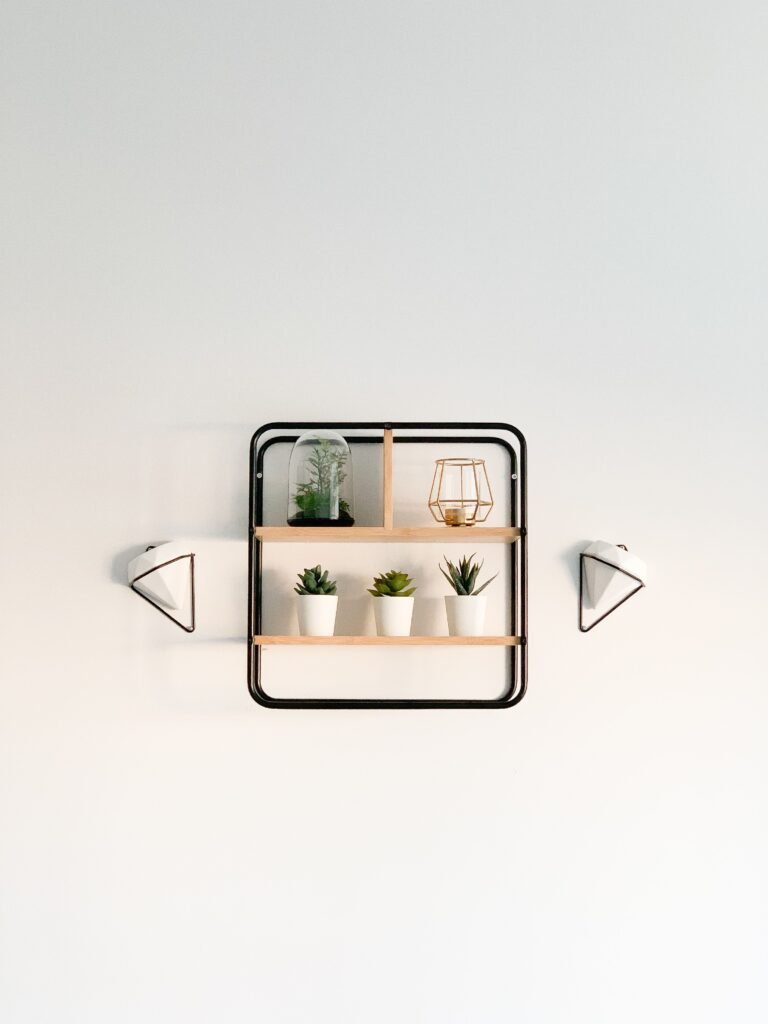
A small plant, framed photo, or object between book groupings breaks up what would otherwise be a wall of spines.
Common Bookshelf Styling Mistakes to Avoid
- Turning every spine inward for aesthetics: Hiding titles can look striking in photos but makes a shelf frustrating to actually use — mix it with visible spines.
- Overfilling every single shelf: Leave at least one section with a little open space so the whole shelf doesn’t feel dense.
- Skipping plants entirely: A trailing plant on a high shelf softens the hard lines of books and adds welcome greenery.
- Organizing by color only: Color-coding looks nice from a distance but can make finding a specific book nearly impossible — mix with a loose topic or size grouping.
For more inspiration, see Apartment Therapy’s bookshelf styling ideas.
Still not sure where to start with how to style a bookshelf? Pick just one small change from the ideas above — that’s really all a good puttering session takes.
FAQ
Should I organize books by color or by topic?
A mix works best — loosely group by topic or size, then let color happen naturally rather than forcing a rainbow gradient.
How many objects should be mixed in with books?
One or two per shelf section is usually enough — the books should still be the main feature.
What if I don’t have many books?
Use bookends to prop up smaller stacks and fill the remaining space with baskets, plants, and objects instead of forcing empty shelves.
Do bookshelves need a theme?
Not a strict one, but sticking to two or three recurring colors or materials across the objects keeps it cohesive.
How often should I restyle a bookshelf?
A light seasonal refresh of the decorative objects (not the books themselves) is usually enough to keep it feeling current.
Wrap-Up
The short version of how to style a bookshelf: alternate vertical and horizontal stacks, add one object per section, and leave real breathing room so it still functions as a shelf.
Looking for another easy refresh? and a gallery wall for the wall above next.