
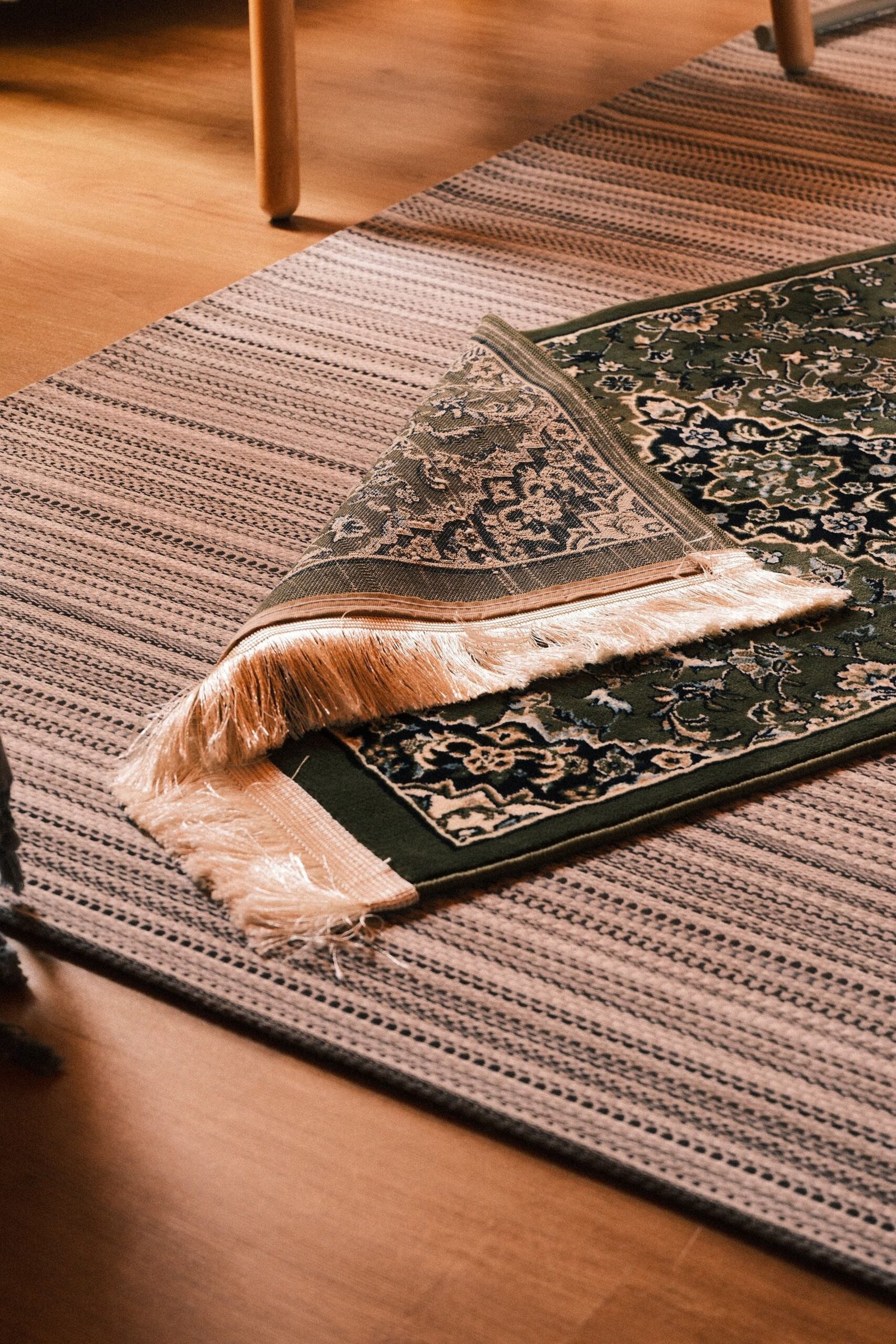
A room can feel brand new without buying a single new piece of furniture, and the rug under your feet is one of the easiest ways to do it. Knowing how to rotate area rugs by season is a small habit that pays off big: a lighter weave for summer, a deeper pile for winter, and a floor that never feels stale.
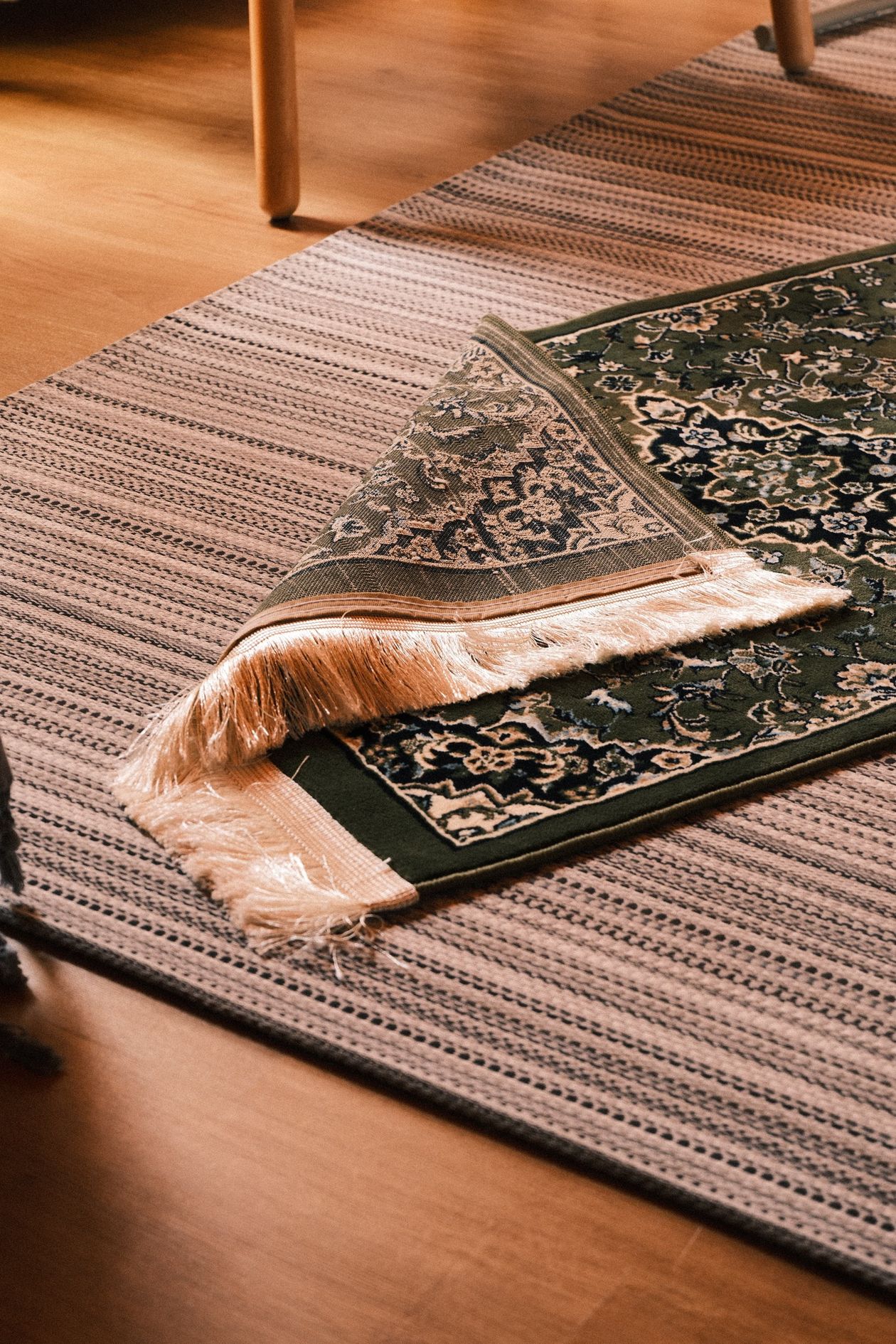
Getting how to rotate area rugs by season right takes only a few minutes once you know the pattern to repeat, and it makes a bigger difference than most people expect.
Why Seasonal Rug Rotation Works
Rugs do more than fill space — they set the temperature of a room, literally and visually. A jute or flatweave rug reads cool and airy, while a wool or shag rug reads warm and grounded. Swapping between the two as the seasons change is a low-cost way to keep a room feeling intentional instead of static.
How to Rotate Area Rugs by Season
| Season | Easy Swap | Quick Tip |
|---|---|---|
| Spring | Light jute or a pastel-toned flatweave | Look for washable cotton in high-traffic entryways |
| Summer | Natural fiber (sisal, seagrass) or a bare floor | Roll heavier rugs and store them flat, not folded |
| Fall | A layered look — flatweave topped with a smaller patterned rug | Anchor furniture legs on the rug for a grounded feel |
| Winter | Wool, shag, or a deep-pile rug | Add a rug pad for extra warmth underfoot |
pair your rug swap with a seasonal console table refresh
How to Rotate Rugs Without the Hassle
Keep a Simple Rotation System
Store off-season rugs rolled (never folded, which creases the backing) in a closet or under a bed. Label each roll by room so the swap takes minutes, not an afternoon.
Layer Instead of Replace
You don’t need a full new rug for every season — a smaller accent rug layered over a neutral base rug changes the whole feel of a room for a fraction of the cost.
Match the Rug to the Season’s Traffic
Light-colored rugs show less next to sandy summer feet than you’d think, while darker, textured rugs in winter hide salt and mud tracked in from outside.
Common Rug Rotation Mistakes to Avoid
- Folding instead of rolling: Folded rugs develop permanent creases that are hard to steam out later.
- Skipping the rug pad: A pad isn’t just for grip — it protects both the rug and the floor underneath and extends the life of both.
- Choosing size over scale: A rug that’s too small makes a room feel disconnected; furniture legs should sit at least partially on the rug.
- Forgetting to vacuum before storing: Dirt left in the fibers over a season of storage attracts moths and holds odor.
For more inspiration, see The Spruce’s guide to choosing the right area rug.
Still not sure where to start with how to rotate area rugs by season? Pick just one small change from the ideas above — that’s really all a good puttering session takes.
FAQ
How often should I rotate my area rugs?
Twice a year is plenty for most homes — once when you switch to lighter textiles in spring, and once when you bring back warmth in fall.
Can I use the same rug in every season?
Yes — rotation is a nice-to-have, not a requirement. A neutral, medium-pile rug works reasonably well year-round if you’d rather not store extras.
What’s the best way to store an off-season rug?
Clean it, let it dry fully if washed, then roll it (pile facing in) and store it somewhere dry to prevent mildew and moths.
Do natural fiber rugs work in winter?
They can, especially layered under a smaller wool rug, but on their own they tend to feel cold underfoot in colder climates.
How do I keep a rug from sliding during rotation?
A grip pad sized slightly smaller than the rug keeps it anchored on both hardwood and tile.
Wrap-Up
The short version of how to rotate area rugs by season: roll (don’t fold) what you’re not using, lean natural fiber in warm months and deep pile in cold ones, and let layering do the heavy lifting between the two.
Looking for another easy refresh? see our guide to rotating throw blankets next.


One thought on “The Best Way to Rotate Area Rugs for a Stunning Refresh”