
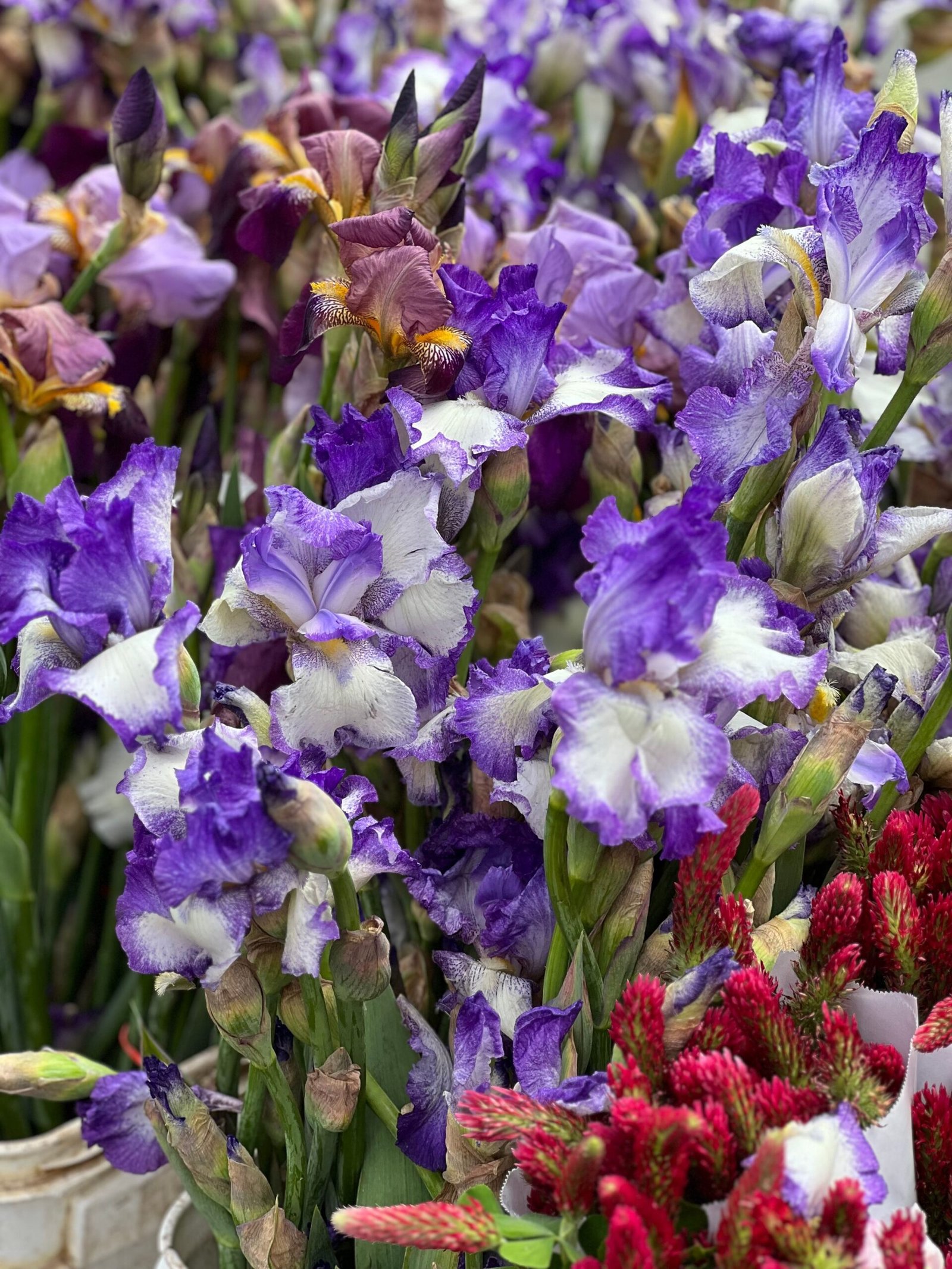
Bearded iris break most of the rules you’d expect from a “bulb” guide — they’re not planted in fall like tulips, and they’re barely covered with soil at all. Knowing when to plant iris rhizomes, and how shallow to plant them, is the key to reliable, vibrant blooms year after year.
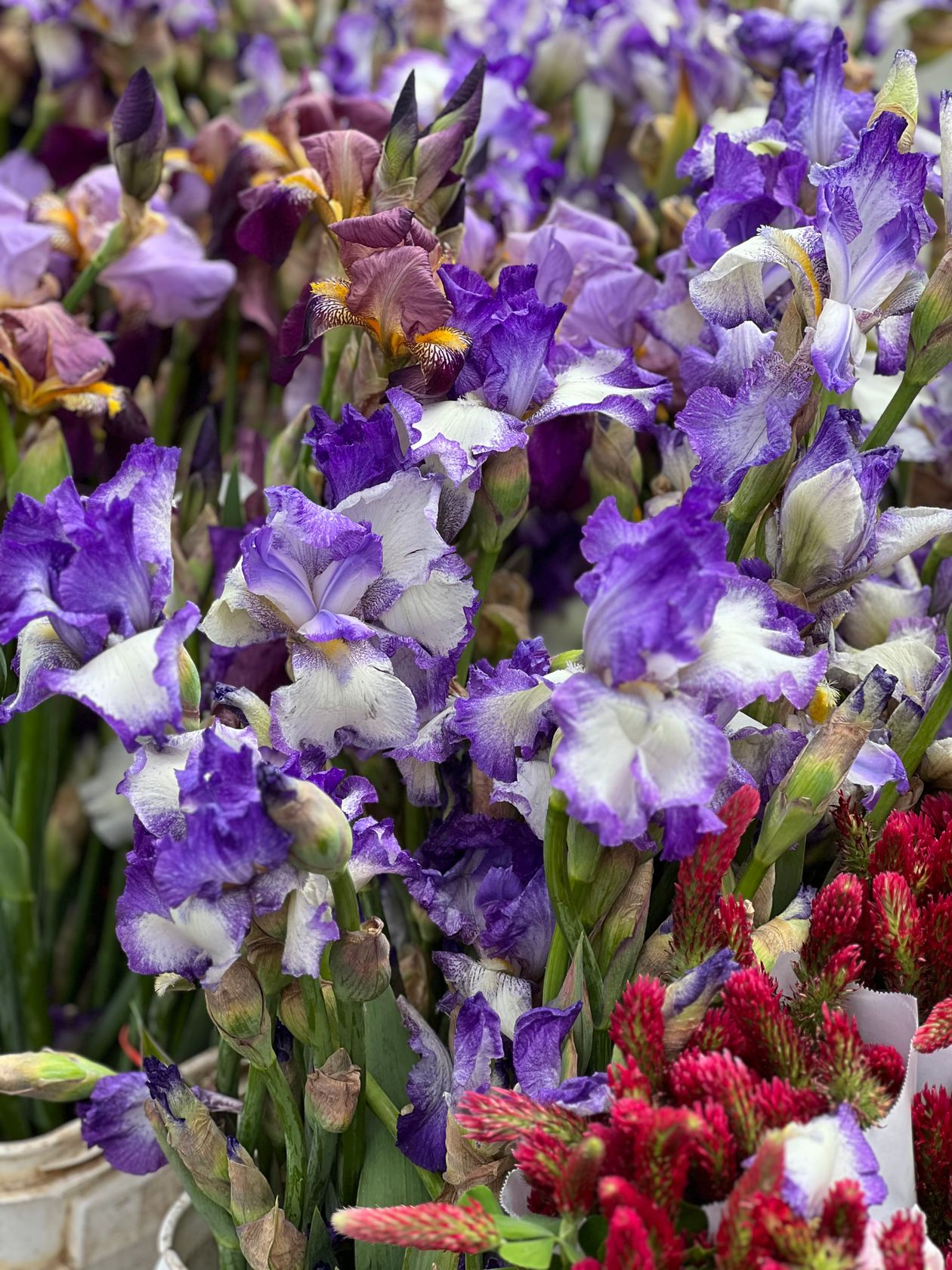
Getting when to plant iris rhizomes right from the start means healthier roots, sturdier stems, and a fuller display when bloom time arrives.
Here’s the timing and planting technique that keeps bearded iris thriving.
Why Late Summer Is the Best Time to Plant Iris Rhizomes
Iris rhizomes are best planted or divided in mid-to-late summer, roughly July through September, shortly after the plant finishes blooming. This timing gives new roots several months to establish before winter dormancy, so plants are well-positioned to bloom the following spring. Spring planting is possible but often skips flowering in the first year while the rhizome focuses on establishing roots.
When to Plant Iris Rhizomes by Zone
| USDA Zone | Best Planting Window |
|---|---|
| Zones 3–5 | July to mid-August |
| Zones 6–7 | July to early September |
| Zones 8–9 | August to September |
| Zone 10 | September, in the coolest part of the season |
see our peony root planting guide for another summer-planted perennial
How to Plant Iris Rhizomes the Right Way
Depth: Barely Cover It
Unlike almost every other plant in this guide, bearded iris rhizomes should sit at or just barely below the soil surface — in hot climates, the top of the rhizome can even be left slightly exposed. Burying it too deep is one of the most common reasons bearded iris fail to bloom.
A simple planting method: dig a shallow hole about 4 inches deep and 10 inches wide, mound soil into a ridge down the center, set the rhizome on top of the ridge, and spread the roots down both sides before covering just the roots (not the rhizome itself) with soil.
Spacing
Space rhizomes 1 to 2 feet apart, or plant in groups of three with the fans of leaves pointing outward, to give each division room to grow and avoid overcrowding.
Sun and Soil
Iris need at least half a day of direct sun, ideally 6 to 8 hours, for the most reliable blooms. Soil should be well-drained and slightly acidic to neutral — soggy soil is one of the fastest ways to cause rhizome rot.
Common Iris Planting Mistakes to Avoid
- Planting too deep: this is the single most common cause of bearded iris that grow leaves but never bloom.
- Overcrowding: dense clumps bloom less and become more prone to rot and pests; divide every 3–4 years.
- Poor drainage: standing water around the rhizome quickly leads to soft rot.
- Waiting until fall: planting too late in the year doesn’t give roots enough time to establish before winter.
For more region-specific timing details, see The Old Farmer’s Almanac’s guide to growing irises.
Still unsure about when to plant iris rhizomes for your exact yard? The zone guidance and soil-temperature test above will get you within a week or two either way — plenty close for a great bloom.
FAQ
How often should bearded iris be divided?
Every 3 to 4 years, once clumps become crowded and flowering starts to decline — typically signaled by a dense tangle of rhizomes with hollow-looking centers.
Can iris rhizomes be planted in spring?
Yes, but expect little to no bloom the first year as the plant focuses on establishing roots rather than flowering.
Why does my iris have lots of leaves but no flowers?
The most likely causes are planting too deep, too much shade, or overcrowding from an un-divided clump.
Do iris rhizomes need winter protection?
Established bearded iris are quite cold-hardy and generally don’t need winter mulch; in fact, mulch piled directly over the rhizome can trap moisture and cause rot.
What’s the difference between bearded iris and Siberian iris planting?
Bearded iris need the shallow, barely-covered planting described above; Siberian and other non-bearded types are planted more like traditional perennials, with the crown just at soil level and no exposed rhizome.
Wrap-Up
The short version of when to plant iris rhizomes: mid-to-late summer, planted shallow with the top barely covered or even slightly exposed. Get that depth right, and you’ll avoid the most common reason bearded iris disappoint gardeners — leaves with no flowers.
Building a full-season perennial border? check our peony root planting guide next.







One thought on “The Best Time to Plant Iris Rhizomes for Stunning Blooms”