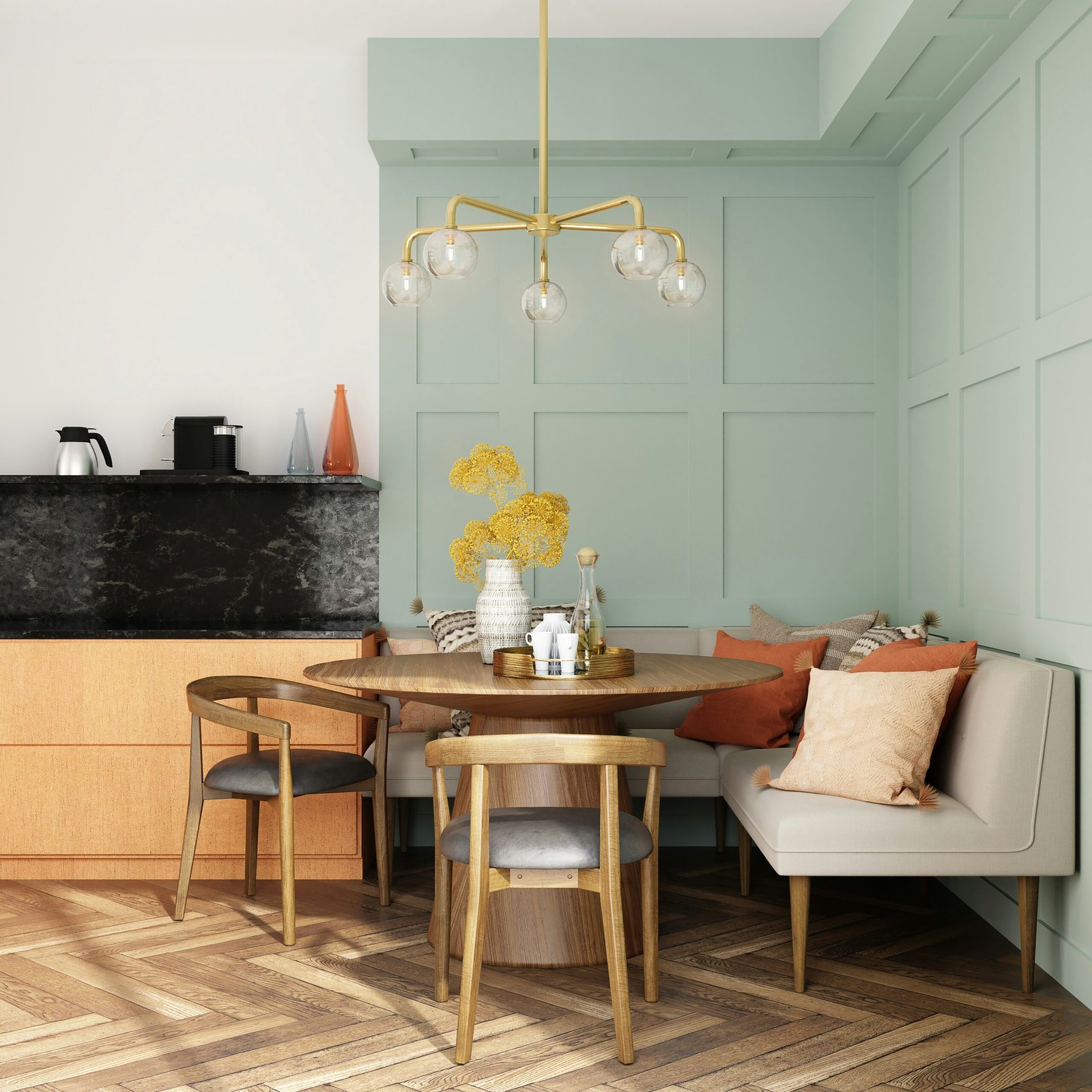
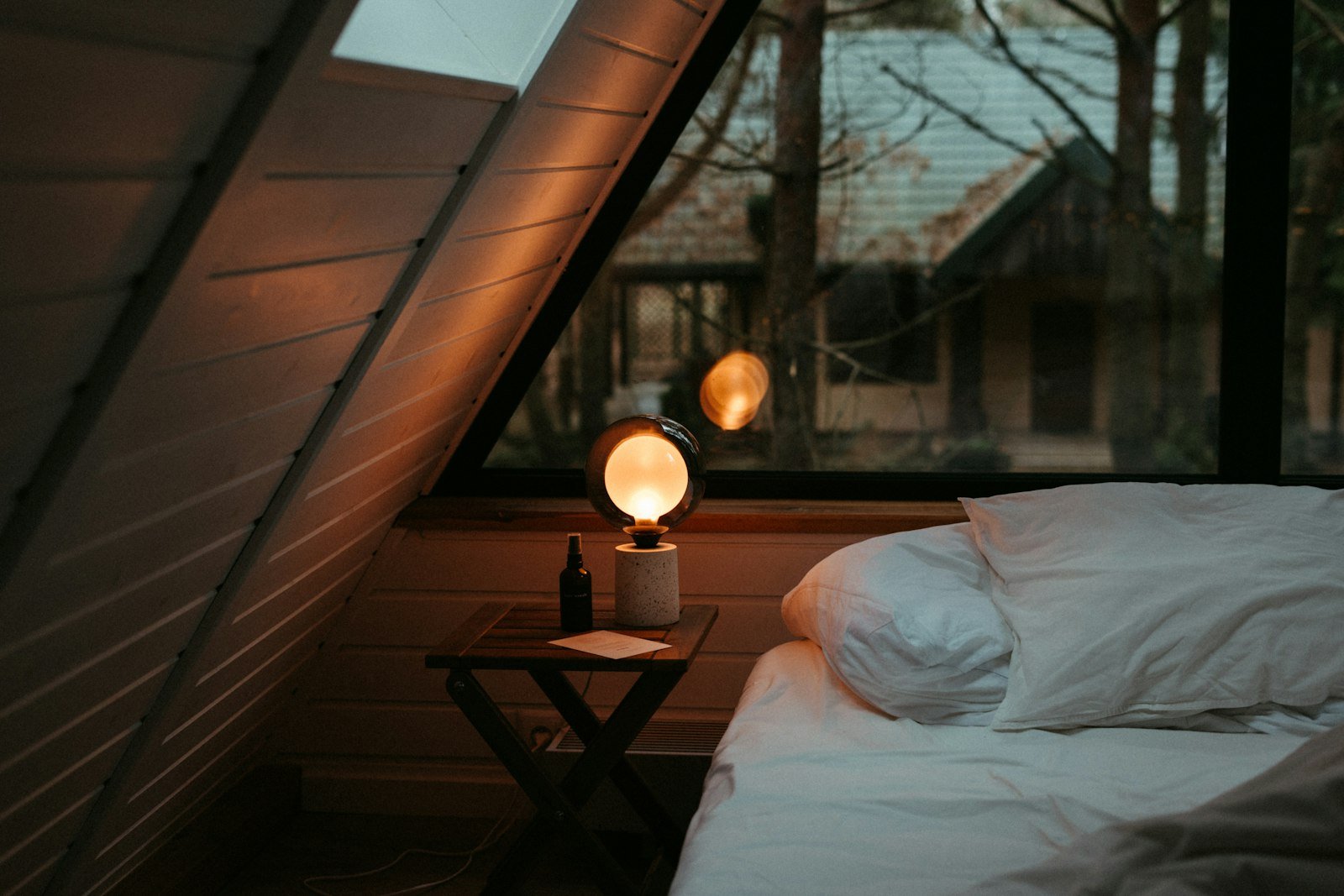
If your room is under 100 square feet, the right small bedroom ideas can make the difference between a space that feels cramped and one that feels like a boutique hotel room. The trick isn’t fitting less in — it’s fitting things in the right places, at the right scale, in the right order.
We’ve tested these seven small bedroom ideas in real rentals and starter homes, not just showroom mockups, and they’re ordered by impact: start at the top of the list if you only have a weekend, or work through all seven for a full refresh.
Start With the Right Bed Frame for a Small Bedroom
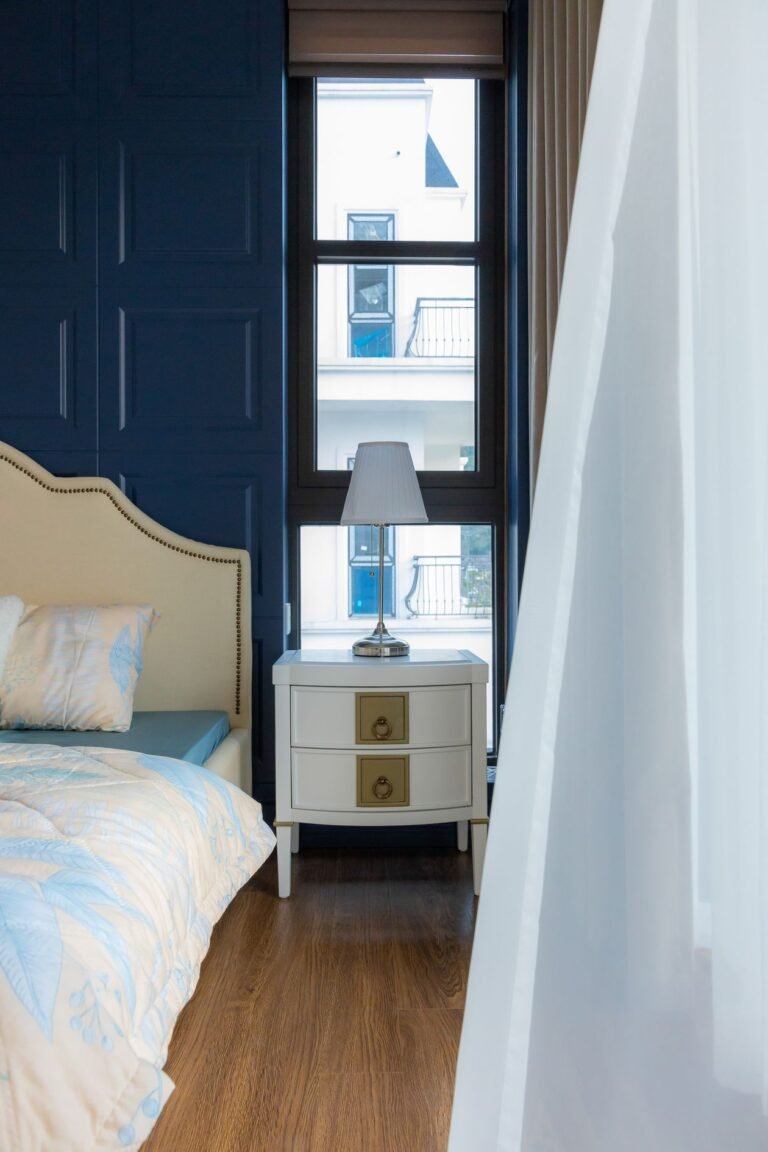
A bulky, high-profile bed frame is the number one reason a small bedroom feels tight. Swap it for a low-profile platform bed (12-16 inches off the ground) in a light wood tone like oak or ash. The lower silhouette and visible legs let your eye travel under the frame, which reads as more floor space even though the square footage hasn’t changed.
Skip the bulky headboard, too. A slim upholstered panel or a simple wood slat headboard adds texture without visually crowding the wall. If your current frame has a tall, solid headboard, even removing it temporarily can open up the room more than you’d expect.
Budget guide
- Under $300: A basic metal or wood platform frame, no headboard.
- $300-$700: A platform frame with a slim upholstered headboard in linen or bouclé.
- $700+: A built-in-look platform bed with integrated nightstands, which eliminates the need for separate furniture.
Go Vertical: Storage That Doesn’t Eat Floor Space
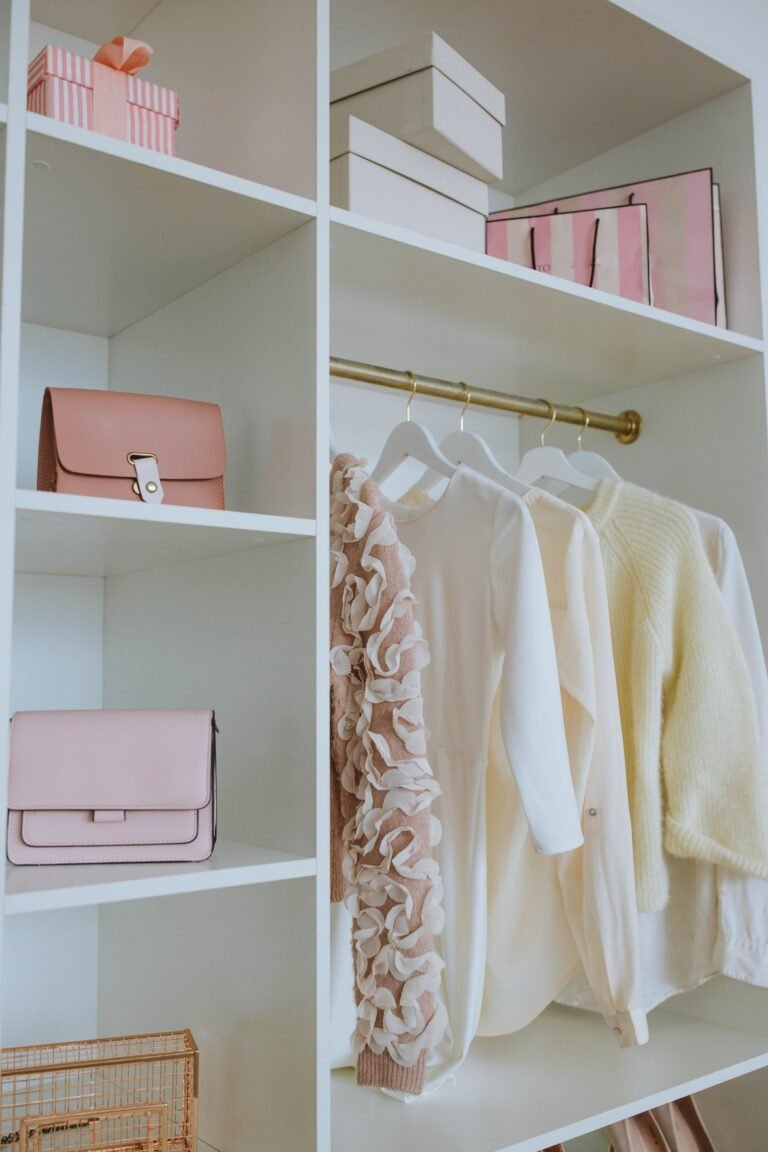
Once the bed is sorted, storage is where most small bedroom ideas fall apart — people add dressers and end up with a maze. Instead, build up, not out. Floor-to-ceiling open shelving in a corner holds as much as a dresser in a third of the footprint, and it doubles as display space for books, plants, and folded linens.
Pair that with under-bed storage bins (12 inches or less in height, to clear most platform frames) for off-season clothing or extra bedding. If you rent, look for tension-mounted shelving units that don’t require drilling into the wall — most hold 15-25 pounds per shelf, which is plenty for folded linens and books.
For more small-space storage systems by room, browse our Home Organization archive — many of the same vertical-storage principles apply to closets and entryways too.
Layer Three Light Sources Instead of One
A single overhead fixture flattens a small room and makes it feel like a hallway. Layer in at least three light sources: an overhead fixture on a dimmer, a plug-in wall sconce or pendant beside the bed (frees up nightstand space), and a small accent lamp on a shelf. Warm bulbs (2700K-3000K) keep the room feeling cozy rather than clinical.
Battery-powered or plug-in sconces are especially useful for renters, since most stick-on or clip-mount versions require no wiring and can move with you.
Stick to a Soft, Monochromatic Palette
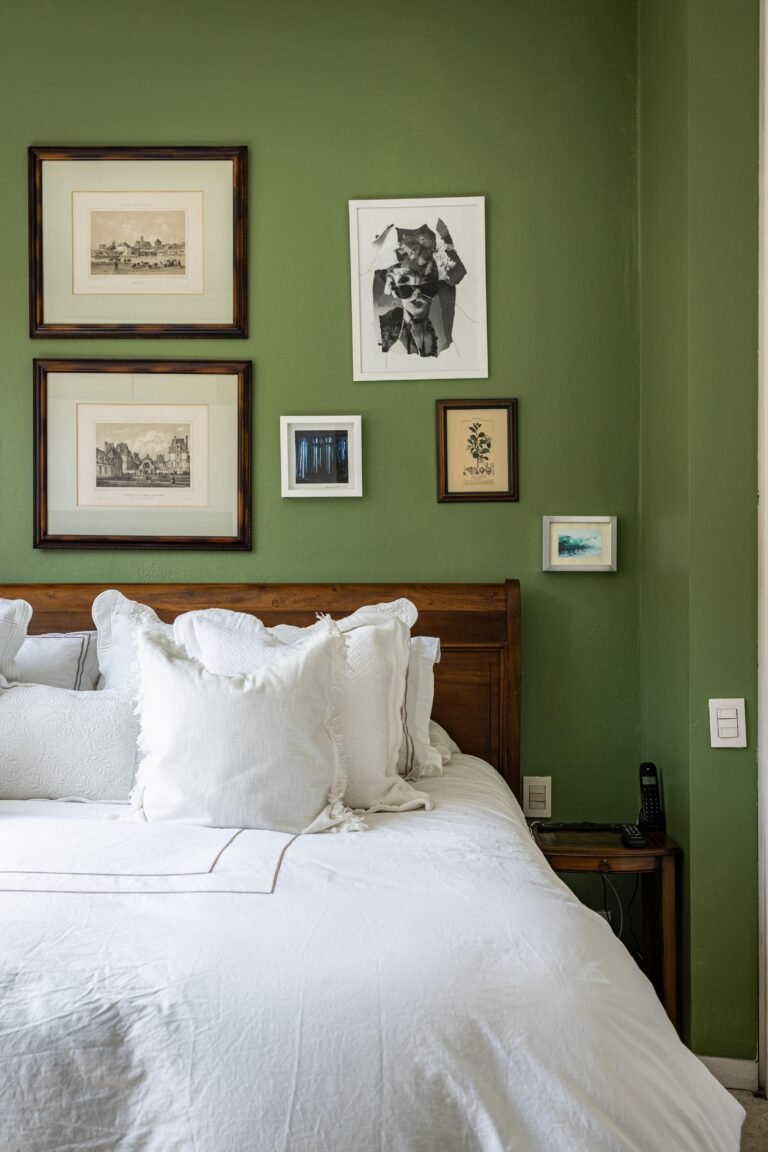
High contrast makes a small room feel busy. Keep walls, bedding, and large textiles within two or three shades of the same warm neutral — think cream, oatmeal, and soft terracotta — then use one saturated accent color (a deep green lampshade, a rust-colored throw) to keep it from feeling flat. This is one of the small bedroom ideas that costs nothing if you already own neutral bedding; it’s purely a styling and paint-color decision.
Add One Luxe Textile Moment
Small rooms can absolutely feel expensive. Pick one “luxe” textile — a bouclé throw, a velvet lumbar pillow, a chunky wool rug — and let it be the texture the eye lands on. One high-quality textile reads as intentional; five competing patterns read as clutter. If you’re only buying one new item this month, this is the one that photographs and feels the most upgraded for the price.
Use Mirrors to Trick the Eye
A mirror placed opposite (not directly across from) the window bounces daylight deeper into the room and visually doubles the sense of space. A single large leaning mirror does more for a small bedroom than three small decorative ones scattered around, and a 60-70 inch leaning mirror typically costs less than a comparable wall-mounted piece since it skips professional installation.
Keep the Floor as Clear as Possible
The single fastest way to make any small bedroom feel larger is visual: keep at least 70% of the floor visible. That means no floor lamps if you can use a wall sconce instead, no laundry baskets left out, and rugs sized to sit fully under the furniture rather than floating in the middle of the room.
According to the Sleep Foundation’s guide to designing an ideal bedroom for sleep, a decluttered, calm sleeping environment is also linked to better sleep quality — so these small bedroom ideas aren’t just about looks.
Small Bedroom Ideas: Common Questions
What’s the single best small bedroom idea if I can only do one thing?
Swap to a low-profile platform bed. It has the biggest visual impact of any single change on this list and usually costs the least to start.
Do small bedrooms need light-colored walls?
Not necessarily. A deep, warm color can work beautifully in a small bedroom as long as trim, bedding, and lighting stay coordinated — the monochromatic approach matters more than the specific shade.
How much clear floor space does a small bedroom actually need?
Aim for at least 70% visible floor. Below that, most small bedrooms start to feel cluttered regardless of how nice the furniture is.
Bring It All Together
None of these seven small bedroom ideas require a renovation. Start with the bed and the storage, since those two changes free up the most visual space, then layer in lighting, palette, and one luxe textile. For more room-by-room styling like this, explore our full Interior Design section.