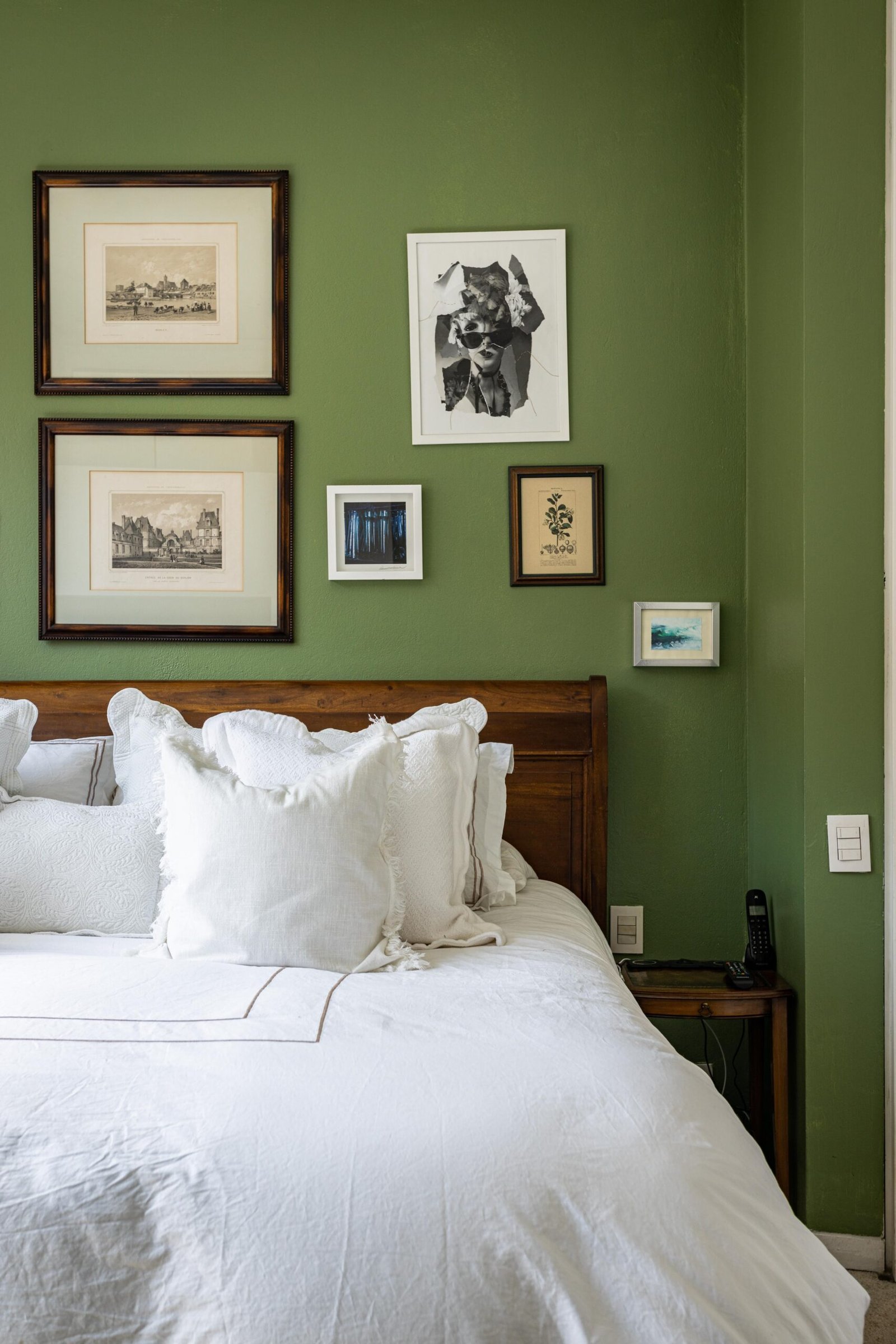
Sleep experts can walk through a bedroom and spot the obstacles to better sleep within seconds, long before anyone mentions feeling tired. It is rarely the mattress causing the problem. It is the everyday items people keep in the bedroom without realizing they are quietly working against a good night’s rest, night after night, until the pattern becomes hard to ignore.
If you want better sleep starting tonight, start by removing these eight things from the bedroom, one at a time if that feels more manageable.
1. A Television
A TV in the bedroom encourages late-night scrolling through shows and keeps the brain associating the room with entertainment instead of rest, even after the screen turns off. placeholder-noop, so the bedroom stays linked only to winding down and sleeping.
2. Phones Charging Right Next to the Bed
A phone within arm’s reach invites one more scroll before sleep and one more check the moment you wake up, both of which delay the brain settling down for the night ahead. Experts suggest charging phones across the room or outside the bedroom entirely, replacing the phone alarm with a simple clock.
3. Bright Overhead Lighting Before Bed
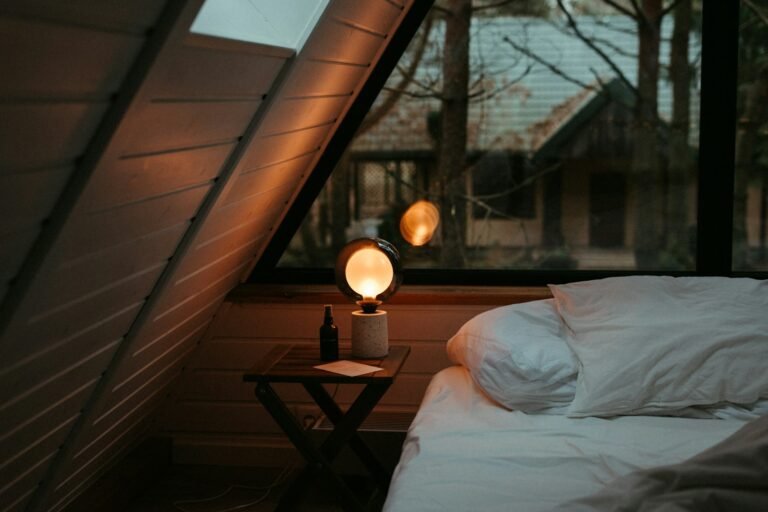
Harsh overhead light late in the evening signals to the brain that it is still daytime, delaying the natural release of the hormone that makes people feel sleepy. Sleep experts switch to dim, warm lamps in the hour before bed instead of flipping on the main light.
4. Piles of Laundry Left in the Room
A chair or floor covered in clean or dirty laundry adds visual clutter that can make it harder to mentally relax at the end of the day. Experts recommend keeping a hamper with a lid and dealing with laundry outside the bedroom whenever possible.
5. A Home Office Desk Crammed in the Corner
Working from the same room where you sleep blurs the mental line between “on” and “off,” making it harder to switch into rest mode at night. Sleep experts suggest keeping work setups in a separate room, or at minimum, closing a laptop out of sight after hours.
6. Loud, Ticking Alarm Clocks
A clock with a loud, mechanical tick can become a subtle but constant background stressor for light sleepers, especially in an otherwise quiet room. Experts prefer silent digital clocks or phone alarms kept across the room, away from the bed.
7. Heavy Bedding in a Warm Room
Body temperature needs to drop slightly to fall asleep, and heavy blankets in a room that runs warm can work directly against that natural process. Sleep experts match bedding weight to the room’s actual temperature rather than to how the bedding looks.
8. Exercise Equipment
A treadmill or set of weights tucked in the corner turns the bedroom into a reminder of tasks left undone, adding a small dose of guilt to a space meant for rest. Experts recommend keeping workout gear in a different room, even a closet, rather than the bedroom itself, so the space stays associated with winding down instead of a workout still to come.
Building a Bedroom That Actually Supports Better Sleep
None of these changes require new furniture or an expensive redesign, just clearing out items that do not belong in a room built for rest and nothing else. Moving the TV out, charging phones elsewhere, and dimming the lights before bed are small shifts that sleep experts say make a real, measurable difference in how well people actually sleep, often within the first week of trying them.
For more bedroom setup ideas, browse our bedroom guides, or see the National Sleep Foundation for more expert sleep recommendations.