A dryer lint fire starter is one of the simplest, zero-cost DIY projects you can make — and it actually works. Every load of laundry produces a fresh sheet of lint from the dryer filter, and most of us toss it straight into the trash. Combine that lint with an empty toilet paper roll, and you have a reliable fire starter for your fireplace, fire pit, or campfire that costs absolutely nothing.
Below, you will find five easy formats for making a dryer lint fire starter at home, plus a wax-dipping upgrade, a comparison against store-bought options, safety guidelines, and storage tips that keep your supply ready all winter.
Why a Dryer Lint Fire Starter Works So Well
Lint is composed of tiny fibers that separate from your clothing during the tumble-dry cycle. Those fibers have an enormous surface-area-to-mass ratio, which means they catch a spark or flame almost instantly. Lint is highly flammable, which is why safety agencies urge cleaning the lint filter after every load, as noted by Homedit. That same flammability that makes lint dangerous inside a dryer vent makes it ideal as a dryer lint fire starter when handled properly.
The CPSC estimates thousands of dryer fires every year in US homes, and failure to clean lint is a leading cause. Cardboard toilet paper rolls add a second fuel source. The corrugated paper burns slowly and holds its shape long enough to transfer the flame to kindling and firewood. Together, the two materials create a dryer lint fire starter that lights in seconds and burns for roughly three to five minutes — plenty of time to get a fire going.
Which Lint Types Work Best for a DIY Fire Starter Lint Project
Not all dryer lint performs equally. The fiber content of the laundry load determines how well your dryer lint fire starter will catch and sustain a flame.
Best Lint Sources
- 100% cotton loads — towels, t-shirts, jeans, and bedsheets produce the most flammable, longest-burning lint.
- Cotton-blend loads — a mix of cotton and polyester still works well for a dryer lint fire starter.
- Wool and other natural fibers — linen, hemp, and wool lint catch flame reliably, though wool can produce a slight odor when burning.
Lint to Avoid
- Heavily synthetic loads — Skip synthetic lint for fire starters. It melts instead of burning cleanly and can release unpleasant fumes. Keep it out of your fire starter supply.
- Lint from greasy or oil-soiled loads — Safety agencies warn against drying items soiled with gasoline, cooking oil, or grease. Lint from those loads can retain residue and ignite unpredictably, according to Homedit. Discard this lint entirely — do not use it as a dryer lint fire starter or store it.
- Lint contaminated with dryer sheets — a small amount of fabric softener residue is generally fine, but heavily coated lint may burn unevenly.
A good rule of thumb: if the load was mostly cotton towels and everyday clothing, the lint is a strong candidate for your dryer lint fire starter supply.
How to Make Fire Starters with Dryer Lint and Toilet Paper Rolls
This is the classic method — the one that turns two pieces of household waste into a functional dryer lint fire starter with zero added cost. Here is the full step-by-step process.
Materials
- Empty toilet paper rolls (or paper towel rolls cut in half)
- Dryer lint collected over several loads
- Optional: a small piece of newspaper or scrap paper
Step 1 — Collect and Store Lint
After each dryer cycle, peel the lint sheet off the filter and place it in a dedicated container. A gallon-size zip-top bag, a coffee can, or a small cardboard box all work. Keep this container in a dry spot away from heat sources. How much lint you collect varies with household size and the types of laundry you run, so expect to fill a roll every few loads and adjust from there.
Step 2 — Prepare the Tube
Take one empty toilet paper roll and fold one end inward, crimping the cardboard to create a flat seal. This forms a small pocket that keeps the lint from falling through. If your roll is flimsy, you can also plug one end with a crumpled ball of newspaper.
Step 3 — Pack the Lint
Stuff dryer lint into the open end of the tube. Pack it firmly but not so tight that air cannot circulate through the fibers. A dryer lint fire starter needs airflow to burn well. Aim for a density similar to a loosely packed cotton ball — the lint should stay in place when you gently tilt the tube but still feel soft and springy.
Step 4 — Seal the Open End
Fold the remaining open end of the tube inward, the same way you sealed the first end. You should now have a self-contained dryer lint fire starter that looks like a stubby cylinder with crimped ends. Some people twist the ends like a candy wrapper instead — both approaches work.
Finished look: a firm, slightly springy cylinder about the size of a toilet paper roll, with both ends folded flat and a little lint showing at the crimp. Light the folded edge or any visible lint tuft and set it under the kindling.
Step 5 — Test and Use
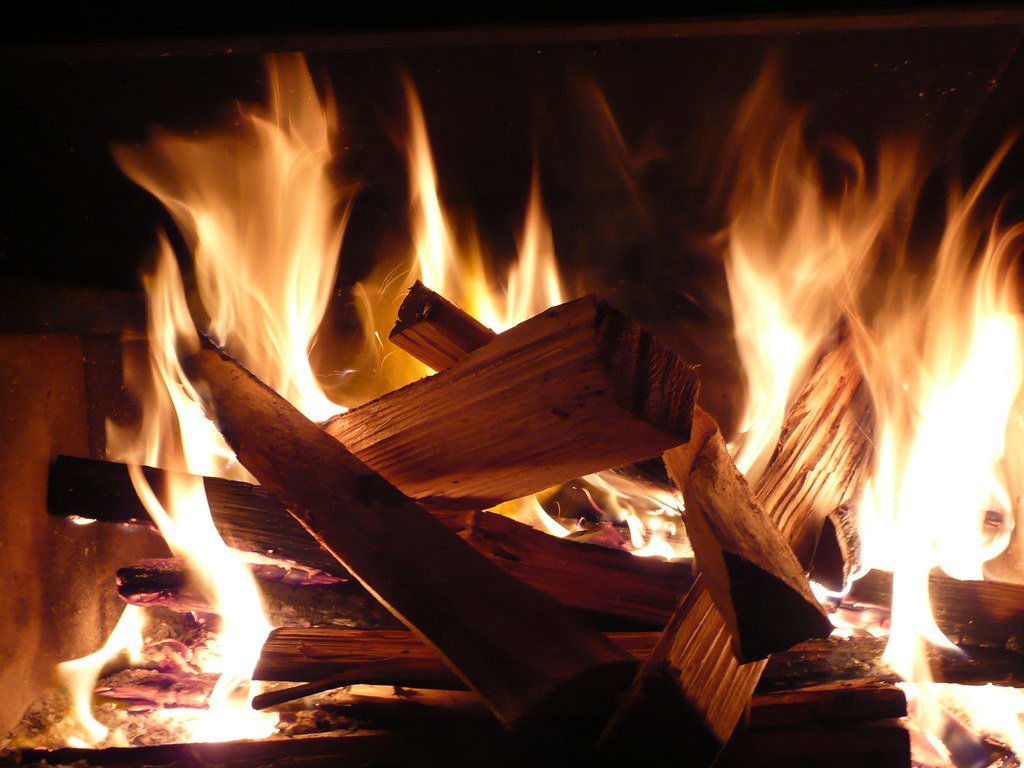
Place the finished dryer lint fire starter beneath your kindling in the fireplace or fire pit. The cardboard catches first, then the lint ignites and produces a steady flame for three to five minutes. That is enough time to light small kindling, which then ignites larger logs.
This method is the foundation that all the variations below build on. Once you have the basic lint toilet paper roll fire starter technique down, you can upgrade from there.
How to Make Fire Starters with Lint and Egg Cartons
The homemade fire starter lint egg carton method is a popular alternative when you run out of toilet paper rolls or want to produce a batch all at once.
Materials
- One cardboard egg carton (not Styrofoam — Styrofoam melts and produces toxic fumes)
- Dryer lint
- Optional: melted wax (see the upgrade section below)
Steps
- Open the egg carton and fill each of the twelve cups with dryer lint, packed to the same density described above.
- If using wax, pour a thin layer of melted wax over each cup and let it harden.
- Once dry, cut or tear the carton into individual cups. Each cup is a single dryer lint fire starter.
The egg carton method produces twelve fire starters at once, making it a good option for batch production before camping season. Each cup burns for roughly three to four minutes on its own, or about five to eight minutes when dipped in wax. Burn times vary with size and materials. For more DIY project ideas using everyday household items, check out our project library.
Dryer Lint Fire Starter Wax-Dipping Upgrade
Adding wax transforms a basic dryer lint fire starter into a longer-burning, weather-resistant version. This upgrade is especially useful for camping, where rain or damp conditions can make fire-starting difficult.

Materials
- Finished lint-stuffed toilet paper rolls or egg carton cups
- Old candle stubs (remove wicks and any metal bases first), broken crayons, or a block of paraffin wax
- A double boiler setup (a metal can inside a pot of simmering water — make sure the can sits stably and cannot tip)
- Tongs or pliers
- Wax paper or parchment paper for drying
- A dedicated can you will not reuse for food
Steps
- Set up a double boiler by placing a clean, dedicated metal can (a soup can works) inside a pot filled with two to three inches of water. Heat the water to a simmer — never melt wax over direct flame, as it is flammable. Never leave melting wax unattended. Keep the can from tipping, and keep wax away from open flame. If wax overheats or smokes, turn off the heat and cover the can with a lid.
- Drop wax chunks into the can and stir occasionally until fully melted.
- Using tongs, dip each dryer lint fire starter roll into the melted wax, rotating to coat all sides. You do not need a thick layer — a thin coating seals the lint and adds fuel without wasting wax.
- Place the dipped roll on wax paper and allow it to cool and harden completely, usually fifteen to twenty minutes.
- Store the finished dryer lint fire starter rolls in a zip-top bag or airtight container.
Wax-dipped fire starters burn for roughly seven to twelve minutes, depending on size. Burn times vary with size and materials. The wax coating makes each dryer lint fire starter water-resistant, so it holds up better in damp conditions, though you should still keep it in a closed container. Have a lid or baking sheet nearby to smother a wax fire if one occurs. Never use water on a wax fire.
DIY Fire Starter vs. Commercial Fire Starters: Comparison
A natural question is whether a homemade dryer lint fire starter can really compete with the products sold at hardware stores. Here is a side-by-side look.
| Feature | DIY Dryer Lint Fire Starter | Commercial Fire Starter |
|---|---|---|
| Cost per unit | $0.00 (household waste) | $0.50–$1.50 each |
| Burn time (basic) | roughly 3–5 minutes | about 8–12 minutes |
| Burn time (wax-dipped) | roughly 7–12 minutes | about 8–12 minutes |
| Waterproof | Only if wax-dipped | Most are waterproof |
| Ease of use | Simple — light one end | Simple — light one end |
| Reliability | High (cotton lint); synthetic lint not recommended | Consistently high |
| Environmental impact | Reuses waste; minimal packaging | New materials; plastic packaging |
| Availability | Requires stockpiling lint over time | Available at any hardware store |
The wax-dipped dryer lint fire starter can come close to commercial products on burn time while costing nothing. The basic (non-waxed) version has a shorter burn time but is perfectly adequate for a home fireplace with dry kindling already in place. If you enjoy hands-on home projects, browse our maintenance and cleaning guides for more practical tips.
How to Store Your Dryer Lint Fire Starter Supply
Proper storage keeps your dryer lint fire starter collection safe and functional throughout the season.

Best Storage Containers
- Plastic bins with lids — a basic storage tote from any dollar store keeps moisture and dust out.
- Zip-top bags — good for camping kits or smaller quantities.
- Metal ammo cans or cookie tins — these provide an airtight, fireproof container for extra peace of mind.
- Paper grocery bags — acceptable for short-term storage, though they offer no moisture protection.
Where to Store Them
Pick a dry, cool location away from heat sources. A garage shelf, a hall closet, or a mudroom cabinet all work well. The key rule: never store a dryer lint fire starter near the dryer, furnace, water heater, or any appliance with an open flame or heating element. Lint is flammable by design — keeping your supply near heat defeats the purpose of removing it from the dryer in the first place. Keep wax-dipped starters out of direct sun and hot garages, since wax softens in heat.
How Many to Stockpile
Many households use roughly one starter per fire, so plan on about 30 to 50 for a season of regular fires. Lint output varies by household, so start collecting in late summer. Collecting steadily over a few months before the cold season should build a solid supply.
Dryer Lint Hacks Beyond Fire Starting
While the dryer lint fire starter is the most popular reuse, lint has a few other practical applications around the house.
Compost Additive
Lint from 100% cotton or other natural-fiber loads can be added to a compost bin as a carbon-rich “brown” material. Tear the lint into small pieces and mix it in with food scraps and yard waste. Avoid composting lint from synthetic loads, as those fibers do not break down.
Draft Stopper Stuffing
A fabric tube sewn to fit along the bottom of a drafty door can be stuffed with dryer lint instead of buying polyfill. The lint compresses enough to form a decent insulation barrier. This is a budget-friendly approach for renters looking to reduce heating costs without permanent modifications.
Packing Material
Clean, dry dryer lint can cushion fragile items in a box when you run out of packing peanuts or bubble wrap. It works best for items that will not be damaged by loose fibers — think ceramic mugs, not electronics.
What NOT to Do with Dryer Lint
Avoid leaving dryer lint outside as bird nesting material. Synthetic lint crumbles after rain, and detergent or fabric softener residue may harm birds, according to Homedit. Likewise, lint should not be used as stuffing for children’s toys because it is flammable. If you want a purpose-built reuse, the dryer lint fire starter remains the safest and most practical option.
Safety Checklist for Dryer Lint Fire Starter Projects
Working with flammable materials requires respect for basic safety practices. Follow this checklist every time you make or use a dryer lint fire starter.
During Production
- Melt wax using a double boiler only — never over direct flame or in a microwave.
- Keep children and pets away from the work area when melting wax.
- Work in a well-ventilated space.
- Have a lid or baking sheet nearby to smother a wax fire if one occurs. Never use water on a wax fire.
During Use
- Use your dryer lint fire starter only in a fireplace with a working damper, an outdoor fire pit, or a campfire ring.
- Never use a dryer lint fire starter near flammable structures, dry brush, or in windy conditions without a spark screen.
- Keep extra fire starters well away from the active fire.
- Always have a way to extinguish the fire — a bucket of water, a garden hose, or a fire extinguisher.
- Never add gasoline, lighter fluid, or other accelerants to a fire starter or a lit fire.
- Light fire starters only in a clean, cleared fireplace or fire ring, never indoors outside a fireplace, and never leave the fire unattended.
- Check local burn bans and campground rules before lighting any fire.
Dryer Maintenance
Dryer fires are a well-documented home hazard, and a buildup of lint is a common cause, so cleaning matters.
- Clean the lint screen before or after every single load. This is the single most effective way to prevent dryer fires.
- Inspect and clean the dryer vent duct at least once a year. A clogged vent restricts airflow and forces lint to accumulate in dangerous places. If you are not comfortable doing this yourself, hire an appliance professional — the CPSC offers guidance on dryer vent safety.
- Replace flexible vinyl or foil vent hoses with rigid or semi-rigid metal duct. Metal ducts resist crushing and lint buildup better than flexible alternatives.
- Never run the dryer when you leave the house or go to sleep.
If your dryer takes much longer to dry clothes, the laundry room smells hot or burnt, or the vent will not clear, stop using it and call a qualified appliance or vent technician.
Collecting lint for a dryer lint fire starter project is a great secondary benefit of cleaning the filter — but fire prevention is always the primary reason to do it.
5 Dryer Lint Fire Starter Variations Worth Trying
This article has covered five dryer lint fire starter formats: the classic roll, the wax-dipped roll, the egg carton cup, the cotton ball and lint hybrid, and the shredded paper and lint roll. Here is a quick summary of each so you can choose the best fit for your situation.
1. The Classic Roll
Lint packed into a toilet paper roll with crimped ends. Best for home fireplace use where conditions are dry and controlled.
2. Wax-Dipped Roll
The classic roll coated in melted candle wax or paraffin. Best for camping, outdoor fire pits, and wet-weather conditions. This dryer lint fire starter version burns the longest.
3. Egg Carton Cups
Lint packed into individual cups of a cardboard egg carton. Best for batch production and sharing — you get twelve fire starters from one carton.
4. Cotton Ball and Lint Hybrid
Mix dryer lint with petroleum-jelly-coated cotton balls inside a toilet paper roll. The petroleum jelly helps the starter burn longer than a plain roll, though exact burn time varies, so test one before relying on it. Keep petroleum-jelly versions in a sealed metal container and away from heat. This makes the dryer lint fire starter variant a good choice for stubborn fires.
5. Shredded Paper and Lint Roll
Layer shredded paper with dryer lint inside a toilet paper roll. The paper adds additional fuel and creates air channels that help the dryer lint fire starter burn more evenly. This method answers the common question of how to make fire starters with toilet paper rolls and shredded paper — simply alternate thin layers of each material.
Real-Life Example: Turning Laundry Waste into a Winter Supply
Note: The following is an illustrative example to show how the dryer lint fire starter habit might work in practice.
Picture Marcus, a budget-conscious homeowner who heats a small living room with a wood-burning fireplace from November through March. Each winter, he was spending roughly $20 to $30 on commercial fire starters from the hardware store — a small expense, but a recurring one that added up over the years.
After reading about the dryer lint fire starter method, Marcus set a small cardboard box next to the dryer and started pulling the lint sheet after every load. He also began saving toilet paper rolls instead of recycling them. By mid-October, he had about fifty stuffed rolls stored in a plastic bin on a garage shelf. He dipped half of them in leftover candle wax for longer burn performance.
That winter, Marcus found the starters lit reliably when his kindling was dry, and the wax-dipped ones helped on cold, damp mornings. The total cost was zero dollars, and the only effort was a few seconds of lint collection after each load. The lesson: small, consistent habits turn household waste into something genuinely useful. For more ways to save money around the house, explore our home organization tips.
Frequently Asked Questions
Is lint a good fire starter?
Yes. Dryer lint — especially from cotton and natural-fiber loads — is one of the most effective household fire-starting materials available. Its fine, loose fibers ignite almost instantly with a match or lighter. A basic dryer lint fire starter burns for roughly three to five minutes, and a wax-dipped version can last about seven to twelve minutes. Burn times vary with size and materials.
Can dryer lint be used for anything?
Beyond the dryer lint fire starter, lint has several practical household uses. It works as a carbon-rich additive in compost bins (natural fibers only), as stuffing for draft stoppers placed along door gaps, and as cushioning material for packing fragile items. However, lint should not be left outdoors as bird nesting material or used to stuff children’s toys, due to chemical residue and flammability concerns.
Is dryer lint good for anything in the garden?
Lint from loads made entirely of cotton, linen, or wool can be added to a compost pile as a brown (carbon) layer. Tear it into small pieces and mix it with green materials like food scraps. Avoid composting lint from synthetic fabrics, as those fibers do not biodegrade. Some gardeners also use lint as a thin mulch layer in garden beds, though this is less common than using it for a dryer lint fire starter.
Is lint from dryer dangerous?
Lint accumulation inside the dryer or vent duct is a serious fire hazard. Safety agencies warn that dryer fires are common and that lint buildup is a leading cause. Cleaning the lint screen after every load and having the vent duct inspected annually are the two most important preventive steps. Collected lint stored properly away from heat sources for use as a dryer lint fire starter is safe.
How to make fire starters with lint and egg cartons?
Use a cardboard (not Styrofoam) egg carton. Fill each of the twelve cups with dryer lint, packing it firmly but not too tightly. For a longer-burning dryer lint fire starter, pour a thin layer of melted candle wax over each cup and let it harden. Once dry, cut or tear the carton into individual cups. Each one lights easily with a match and burns for roughly three to eight minutes depending on whether wax was added. Burn times vary with size and materials.
Sources
This guide was inspired by Homedit’s article on saving dryer lint in toilet paper rolls. For official dryer safety recommendations, visit the CPSC dryer vent safety page. For soil health information referenced in garden uses, visit the USDA Natural Resources Conservation Service.