Professional organizers say the garage is the room where the most genuinely damaging storage mistakes happen, mostly because a garage swings between temperature extremes that most people never think about until something is already ruined. Garage storage looks convenient right up until heat, cold, or humidity ruins whatever got left out there for too long, sometimes without anyone noticing for months.
If your garage has become a catch-all for everything that does not have another obvious home, start by moving these eight specific things somewhere else in the house instead, before the next big temperature swing does any real damage.
1. Old Cans of Paint
Paint stored in a garage goes through repeated freeze-thaw cycles that can separate it and ruin the finish long before the can is ever opened again for a touch-up. Professional organizers store paint in a temperature-controlled space like a basement closet instead, and label cans with the room and date.
2. Propane Tanks Near Anything Flammable
A propane tank for a grill needs proper ventilation and distance from heat sources, sparks, and other flammable stored items, which a cluttered garage rarely ever provides. Organizers keep tanks in a dedicated, ventilated spot away from workbenches, extension cords, and gas-powered tools.
3. Cardboard Boxes Long-Term
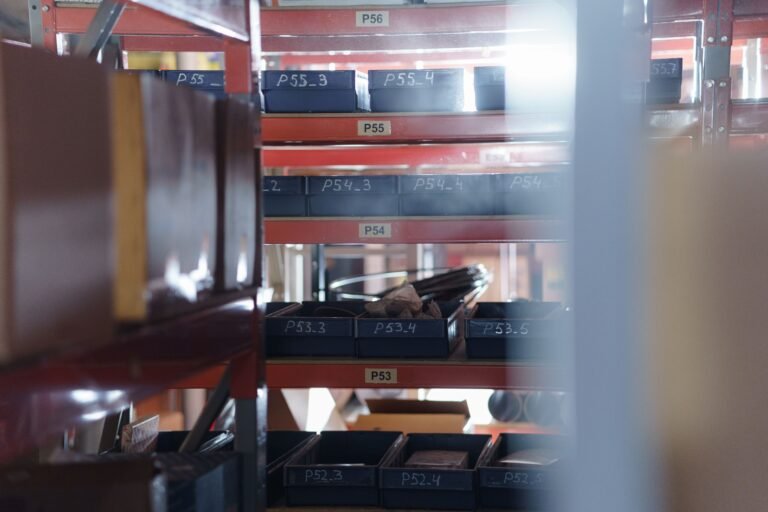
Cardboard left in a garage absorbs humidity, attracts pests looking for a place to nest, and can break down noticeably faster than most people expect it to. Professional organizers switch to sealed plastic bins for anything stored in the garage longer than a few months.
4. Photos and Important Documents
Temperature swings and humidity in a typical garage can warp, fade, or mold paper items surprisingly fast, especially in cardboard boxes stacked directly on bare concrete floors. Organizers keep photos, documents, and anything irreplaceable inside the climate-controlled part of the house instead, checking storage boxes for signs of moisture once a year.
5. Canned Food and Pantry Items
Extreme heat and cold can affect the safety and shelf life of canned goods much faster than the expiration date on the label actually suggests. Professional organizers keep backup pantry supplies inside the house, reserving the garage for genuinely non-perishable household items only.
6. Electronics and Battery-Powered Devices
Extreme temperatures can damage batteries and electronic components in ways that are not always obvious until the day the device fails to turn on. Organizers store electronics, chargers, and battery-powered tools inside the house or in a climate-stable closet whenever possible.
7. Musical Instruments
Wood and other materials in musical instruments expand and contract with temperature swings, which can crack a body or throw an instrument permanently out of tune. Professional organizers keep instruments indoors, in a case, away from a garage’s extreme highs and lows.
8. Wine and Temperature-Sensitive Items
Wine, certain medications, and other temperature-sensitive items degrade quickly in a space that can swing from freezing to well over ninety degrees depending on the season. Organizers store anything genuinely sensitive to temperature inside the home, never in a garage, regardless of how much space it saves.
Making Garage Storage Actually Work
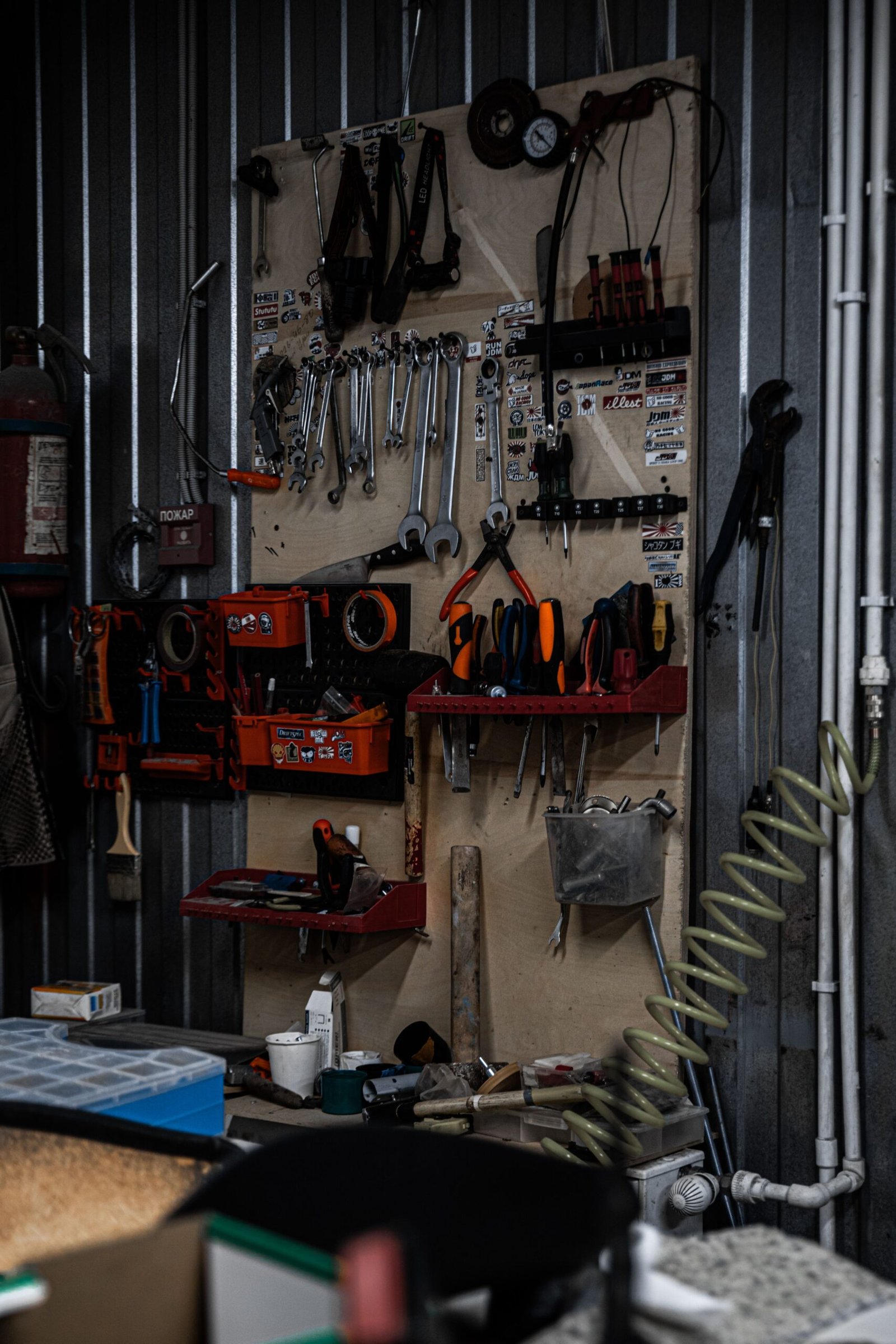
The garage works best for things that genuinely do not mind temperature swings, like tools, sports equipment, and seasonal decor stored in sealed bins rather than open cardboard boxes on the floor. Moving paint, documents, and anything battery-powered back into the house is what keeps garage storage from quietly ruining things people actually meant to keep safe for years to come, not just a single season.
For more storage ideas by room, browse our home organization and DIY projects guides, or see the National Association of Productivity and Organizing Professionals for more expert tips.